 Chinese


 Current Location:
-
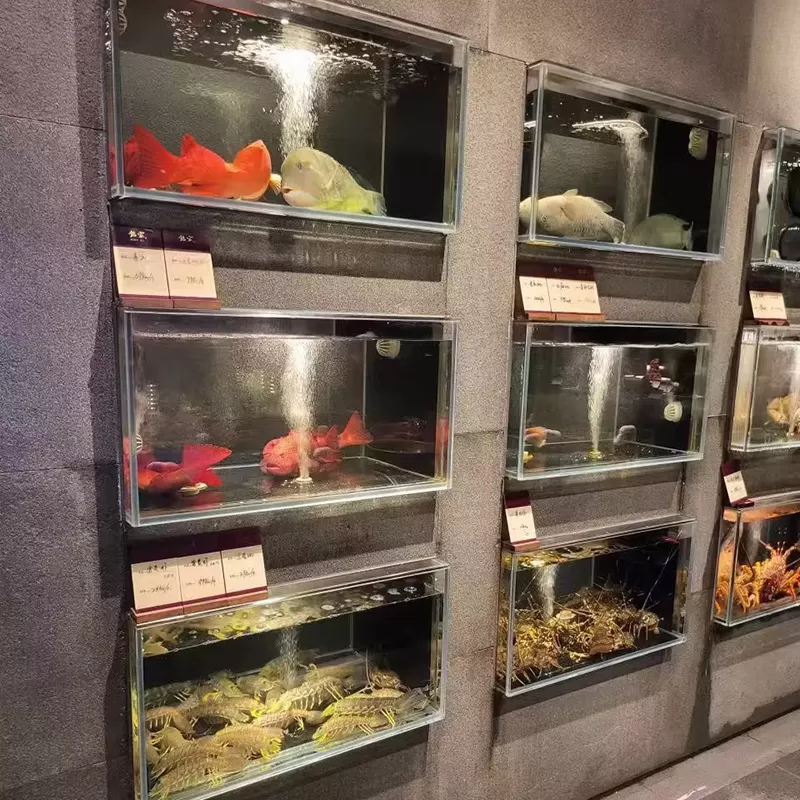
How can customized fish tanks meet the needs of seafood display and breeding in the catering industry
-
How to plan a customized fish tank? A Guide to Avoiding Pitfalls in the Design and Selection of Seafood Tanks for Catering
-
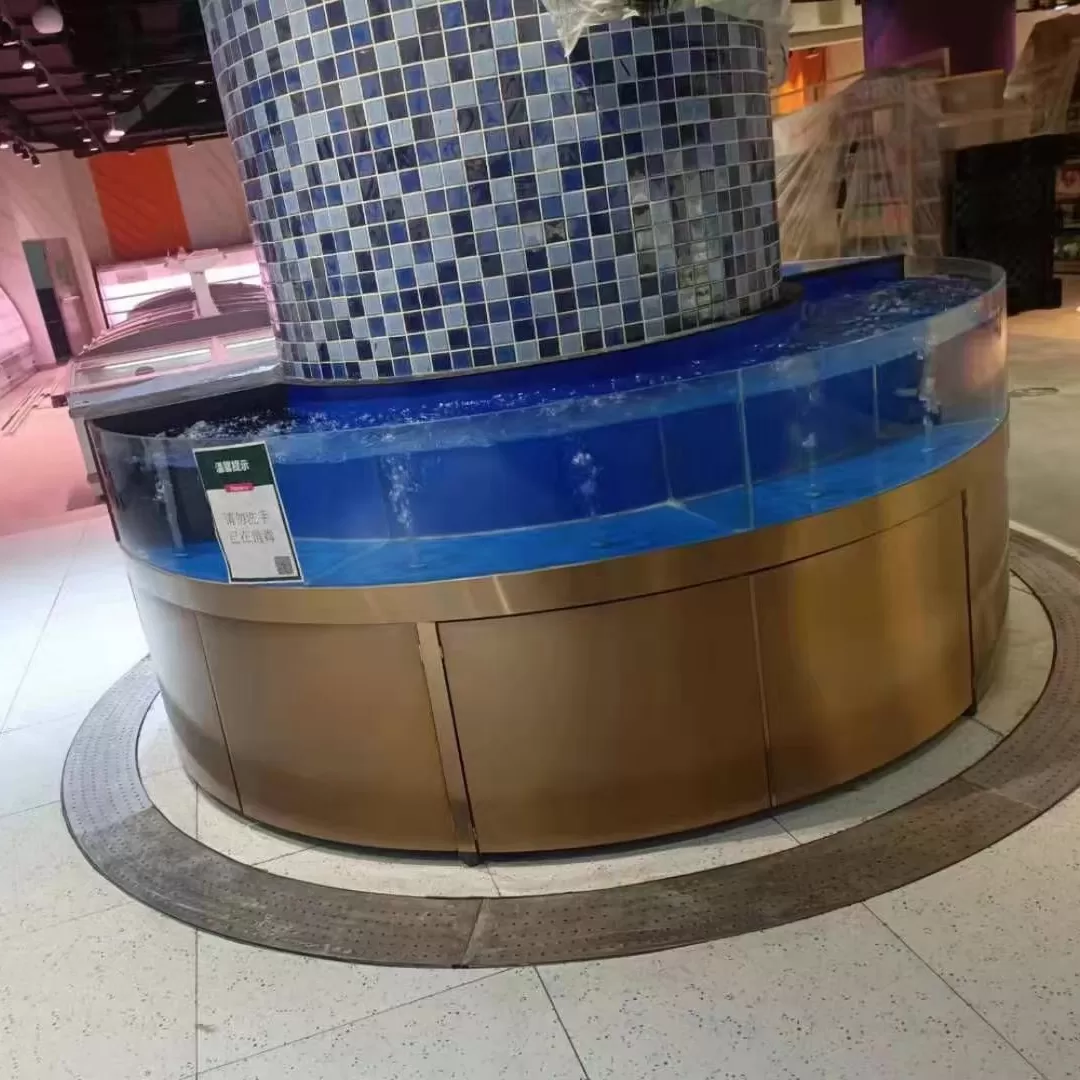
Column-wrapped arc-shaped stainless steel catering and aquaculture seafood tank: An integrated solution for commercial space column renovation and high-density aquatic product temporary breeding
-
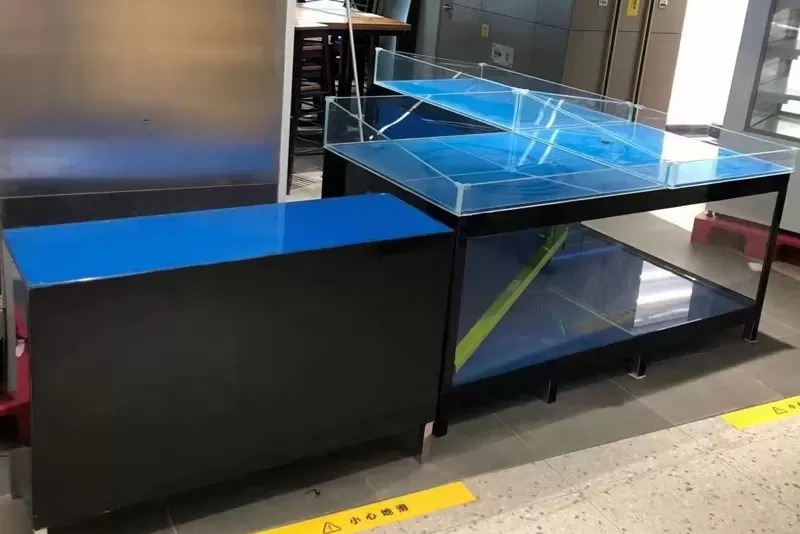
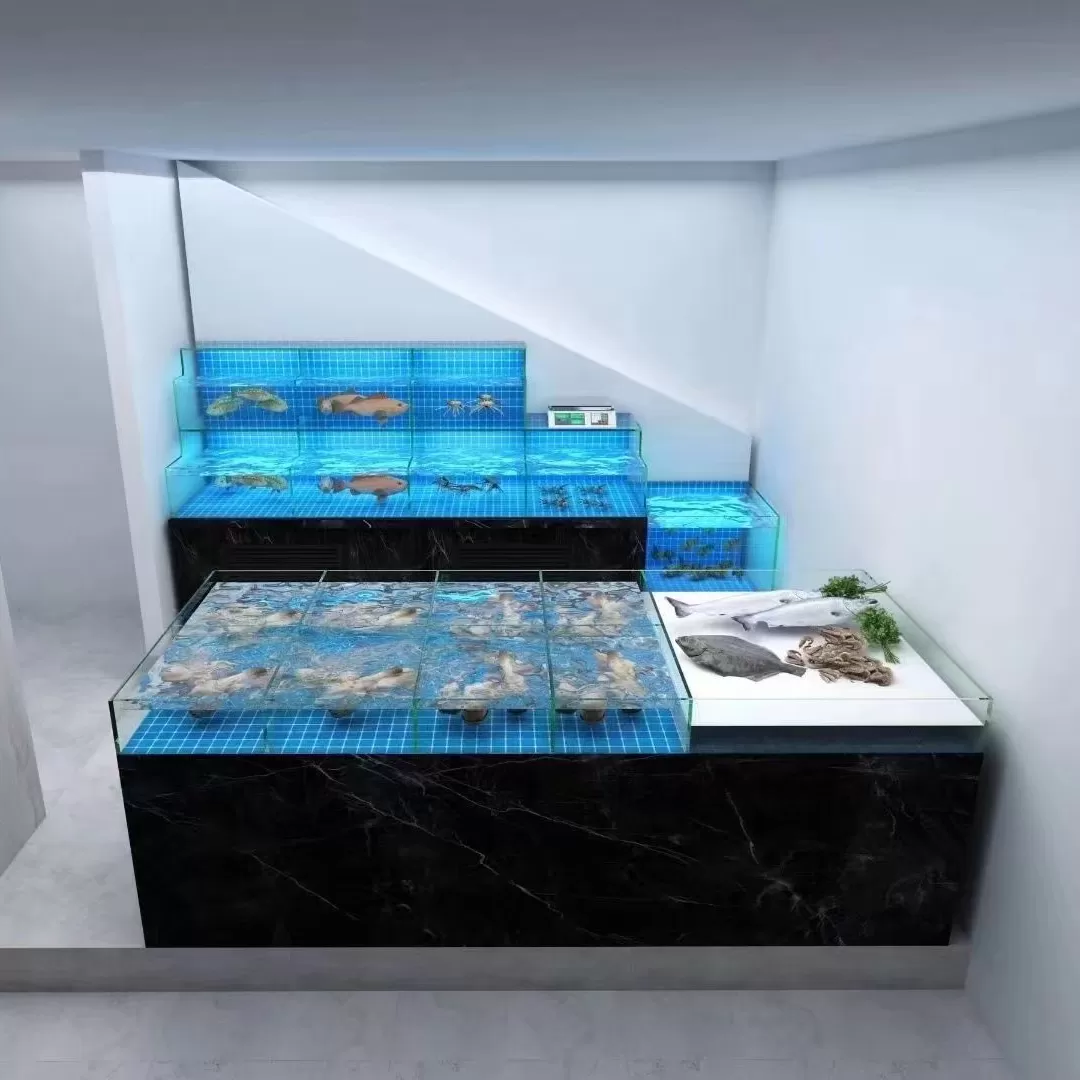
How can customized fish tanks solve the problem of corner Spaces in restaurants? Design Guide for High and Low Stratified Seafood Tanks
-
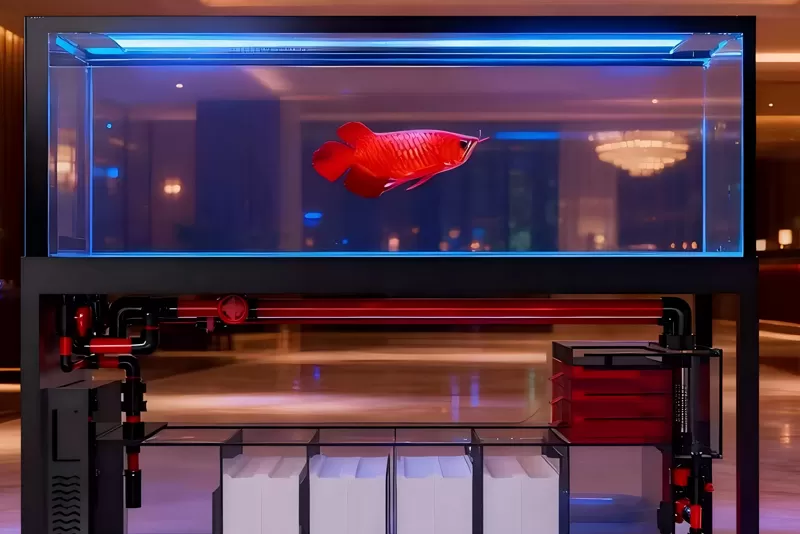
Customized Guide to Large Bottom Filter Red Dragon Fish Tanks: Structural Design and Water Circulation System Analysis
-
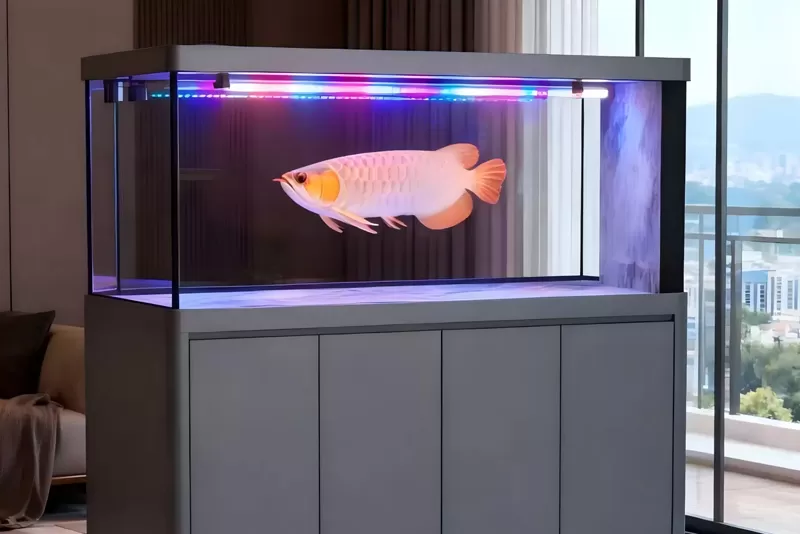
A minimalist grey four-door dragon tank aquarium selection guide and bottom filter system maintenance tutorial

Online consultation
If you have any questions, please contact our online customer service staff immediately
Customized construction process and pit avoidance guide for villa fish tanks
 Click:89
 Time:2026-11-07 14:19:09
 Author:艺景水族-鱼缸定制厂家
Customizing a fish tank for a villa involves many links, from the initial communication, on-site measurement, scheme design, to construction and installation, system debugging and later maintenance. Each link will affect the final effect. Many property owners focus on appearance and size, but tend to overlook load-bearing verification, waterproofing treatment, layout of equipment rooms and maintenance convenience, which leads to problems such as noise, leakage and unstable water quality in the later stage.
A mature customized solution for a villa fish tank should take into account visual effects, structural safety, system stability and long-term usage experience. Especially for large-scale water body projects, early planning is more important than later remedial measures.
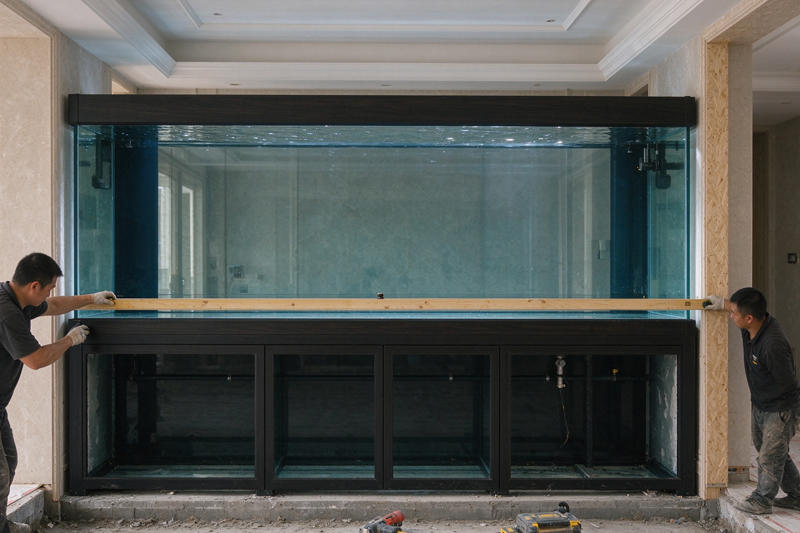
1. On-site survey and requirement confirmation
Before construction, it is necessary to first confirm the position of the fish tank, the space dimensions, the viewing surface, the form of the cabinet, the water inlet and outlet conditions, the power capacity and the area for equipment placement. The owner needs to clearly define the farmed species, the expected water volume, the maintenance frequency and the overall style.
During the on-site survey stage, it is also necessary to observe the floor conditions, wall structure, passage width and ceiling height to determine whether it is suitable to install a large fish tank.
2. Scheme design and structural evaluation
Based on the on-site conditions, design the size of the fish tank, the structure of the glass or panels, the support of the cabinet, the filtration system, the lighting system and the layout of the equipment room. When large water bodies or special installation locations are involved, a structural safety assessment should be conducted.
During the planning stage, the focus should be on confirming the proportion of the fish tank, the location of the inspection opening, the sewage discharge path, the heat dissipation and sound insulation measures of the equipment, rather than just looking at the effect drawing.
3. Production and on-site construction
The main body of the fish tank is usually processed in the factory or assembled on site, while the cabinet body, base layer, waterproofing, water and electricity, and equipment installation need to be connected with the indoor construction. During the construction process, attention should be paid to the protection of finished products, waterproofing treatment, power wiring and shock absorption of equipment.
On-site construction should be carried out in accordance with the established plan to avoid temporary changes to the structure and equipment positions, otherwise it may affect the stability of the system.
4. Water injection commissioning and maintenance handover
After installation is completed, water injection tests, leakage checks, circulation tests, filtration adjustments and lighting adjustments need to be carried out. After confirming that the system is operating stably, water quality cultivation and biological stocking can be carried out.
During the commissioning stage, the owner should understand the operation of the equipment, the maintenance cycle, the handling of common problems and the emergency drainage methods.
Ii. Key Issues to Focus on during Construction
1. Load-bearing and structural safety
The water in the villa fish tank is heavy. Before installation, it is necessary to confirm whether the floor slab load-bearing capacity and support structure meet the requirements. Special caution should be exercised in handling elevated floors, terraces, open areas and basement renovation Spaces.
2. Waterproof and moisture-proof
The installation area of the fish tank should be well designed for waterproofing, water blocking and drainage. Especially for the interior of the cabinet, the equipment room and the contact area with the wall, it is necessary to prevent long-term dampness from causing mold, deformation or electrical failure.
3. Equipment noise and vibration
Noise and vibration are generated when water pumps, filtration equipment and refrigeration equipment are in operation. The equipment room should take into account shock-absorbing pads, sound insulation treatment, waterway buffering and reasonable placement to avoid affecting the living space.
Iii. Common Misunderstandings about Customizing Fish Tanks for Villas
Misconception 1: A good-looking renderings mean a good final effect
Renderings can only express visual directions and cannot fully reflect structural, waterproofing, equipment and maintenance issues. The owner should pay more attention to the construction plan and system configuration.
Misconception 2: The more equipment there is, the better the water quality
The system configuration should be determined based on the water volume, the species being farmed and the maintenance capacity. Too many devices will increase energy consumption, noise and maintenance costs, and may not necessarily bring better results.
Misconception 3: It can be used directly after installation
After the fish tank is installed, it needs to be filled with water for testing, circulated for cultivation, water quality stabilization and step-by-step release. Releasing fish in a hurry may lead to fluctuations in water quality and loss of organisms.
Iv. How to Increase the Success Rate of Customizing Fish Tanks for Villas
Choose an experienced construction team
The villa fish tank project requires the cooperation of a team that is proficient in structure, water treatment, electrical engineering and interior construction. The owner should understand the other party's project experience, on-site handling capabilities and after-sales maintenance system.
2. Clearly define the boundaries of the plan
Before construction, the size of the fish tank, material, equipment list, cabinet form, waterproofing range, water and electricity interfaces, and after-sales service content should be confirmed to reduce additional items and communication disputes in the later stage.
3. Establish a maintenance plan
After the fish tank is installed, it is necessary to regularly test the water quality, clean the tank body, replace the filter material and check the operating status of the equipment. Establishing a maintenance plan helps to extend the system's stability time.
Customized fish tanks for villas are a systematic project involving space design, structural safety, water treatment and electrical installation. To achieve good implementation results, one should not only focus on the appearance but also pay attention to the construction process, structural assessment and later maintenance.
For villa owners planning to install large fish tanks, thorough communication, on-site survey and plan confirmation in the early stage are the keys to avoiding rework later. Only by doing these basic tasks well can the fish tank truly become a long-term and stable highlight of the space.


 Tel: 13530938627
 Email: 360801901@qq.com
 Fax: 0755-23469932
 Address: Unit 1, Building 3, Xinji Industrial Park, Baoshi East Road, Guantian Community, Shiyan Subdistrict, Bao'an District, Shenzhen, Guangdong, P.R.China


 13682357508
 Home
 Products