
 Chinese


 Current Location:
Popular Articles
-
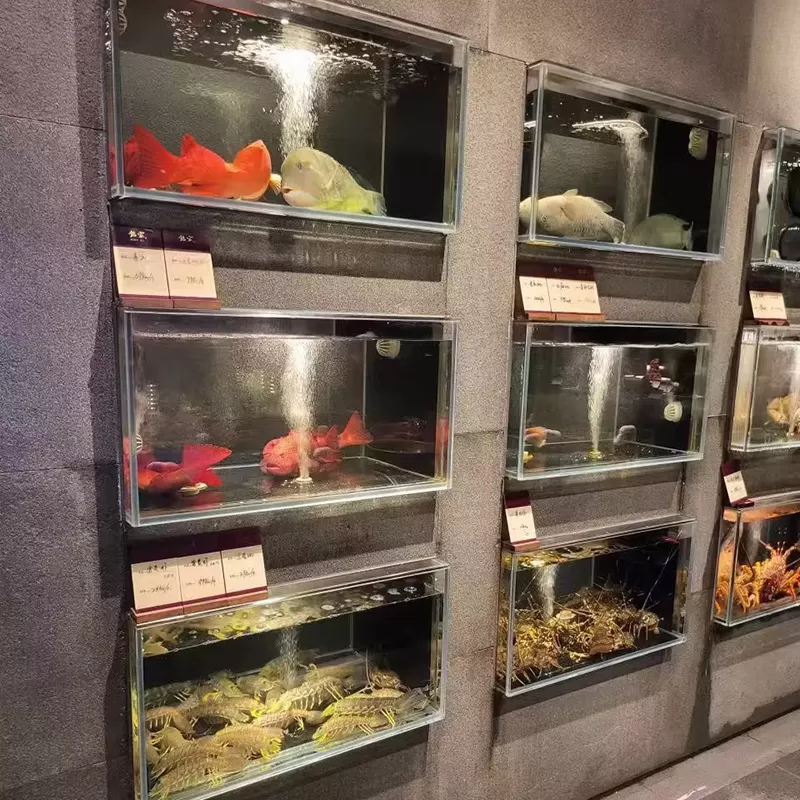
How can customized fish tanks meet the needs of seafood display and breeding in the catering industry
-
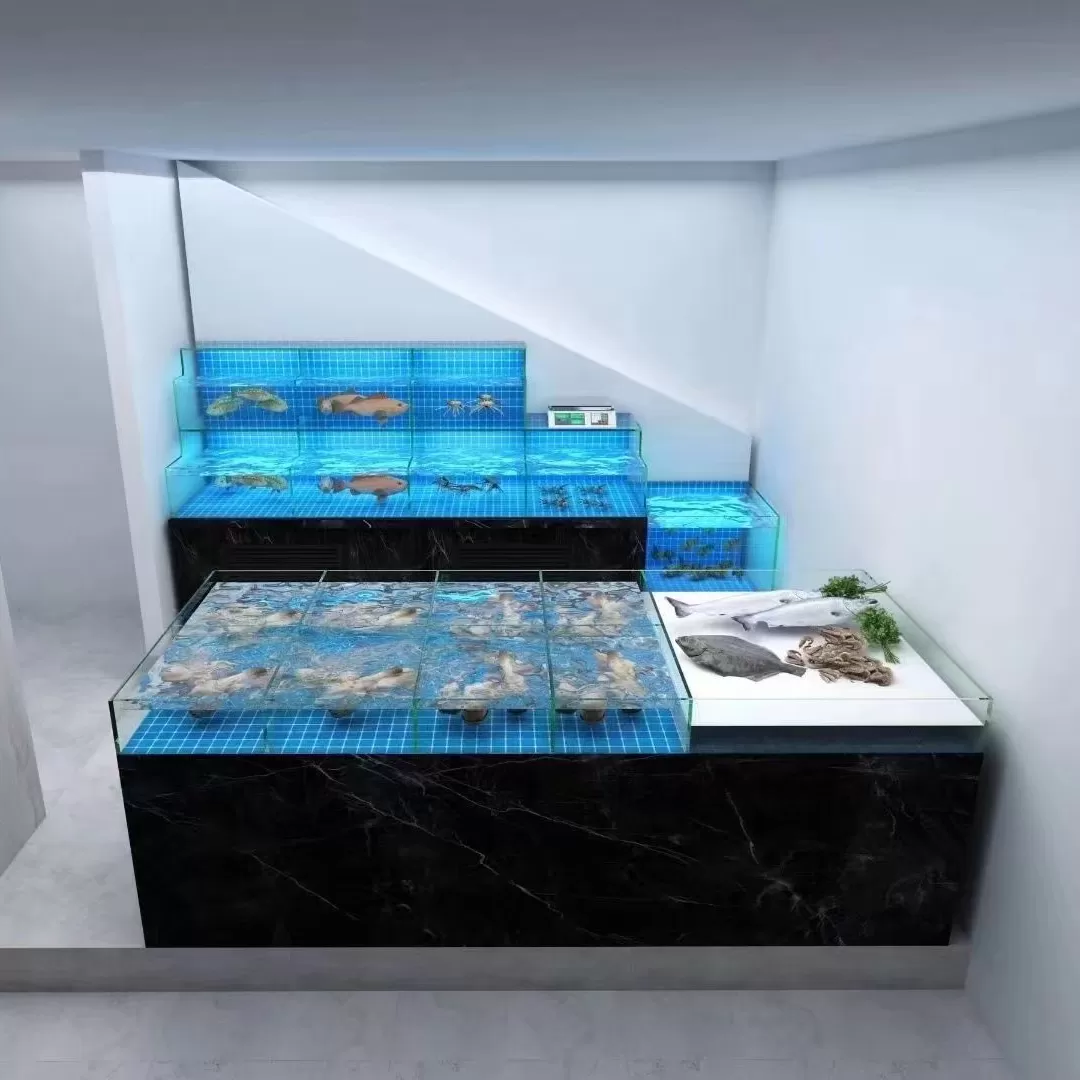
How to plan a customized fish tank? A Guide to Avoiding Pitfalls in the Design and Selection of Seafood Tanks for Catering
-
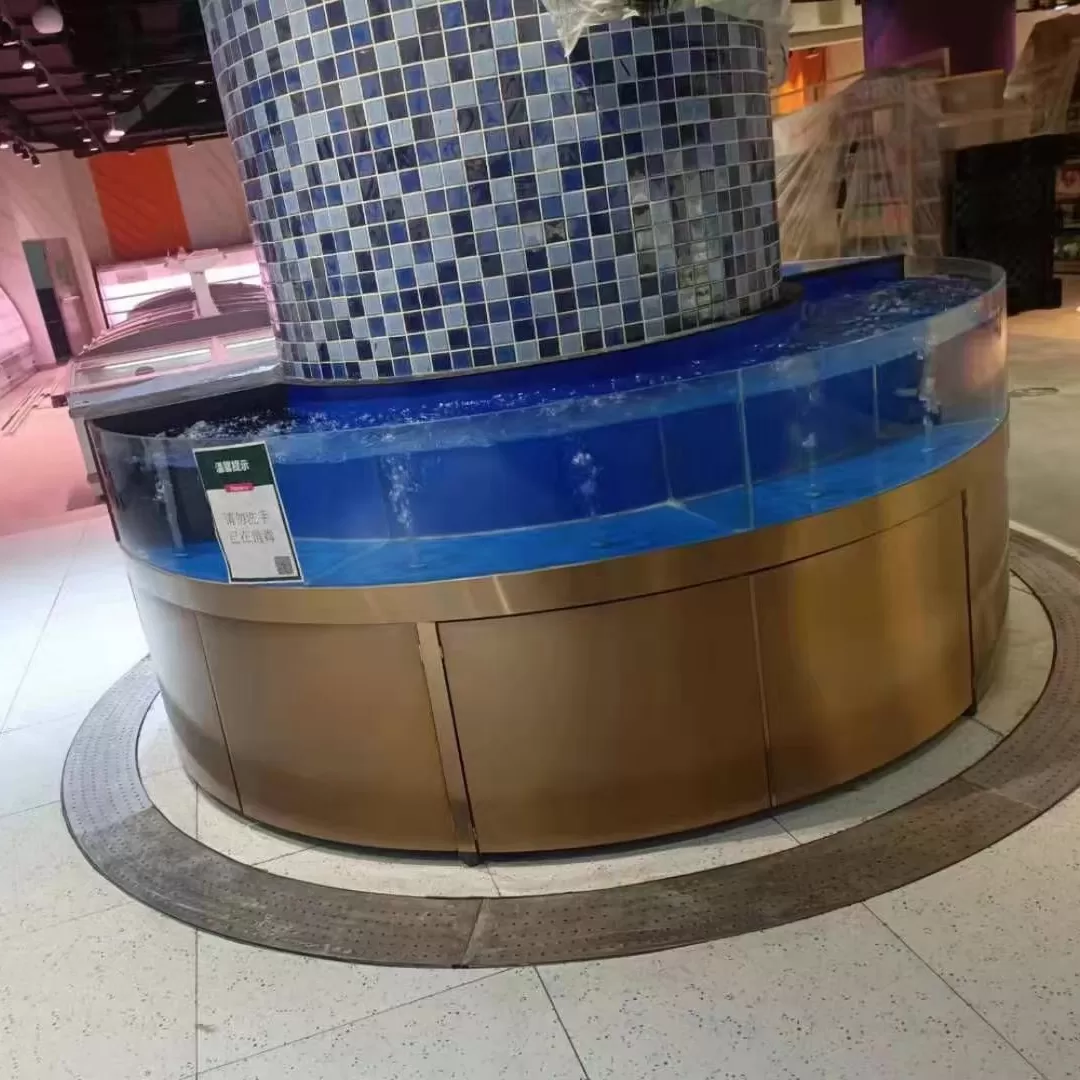
Column-wrapped arc-shaped stainless steel catering and aquaculture seafood tank: An integrated solution for commercial space column renovation and high-density aquatic product temporary breeding
-
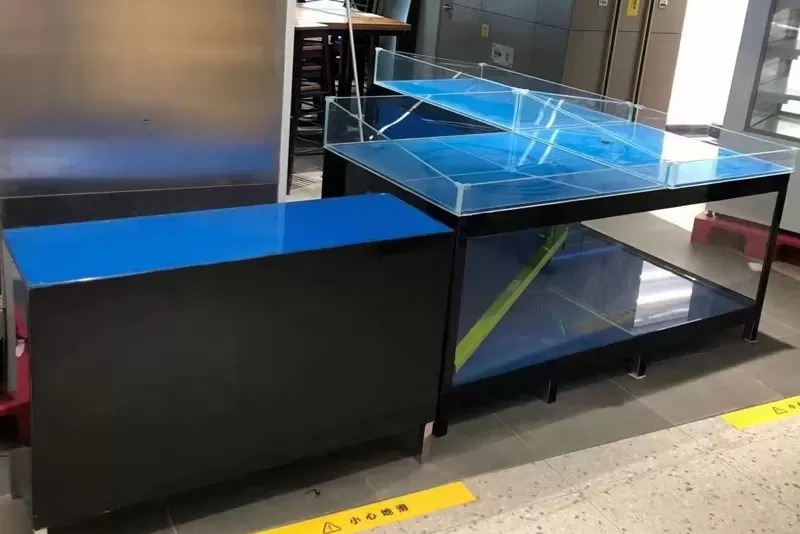
How can customized fish tanks solve the problem of corner Spaces in restaurants? Design Guide for High and Low Stratified Seafood Tanks
-
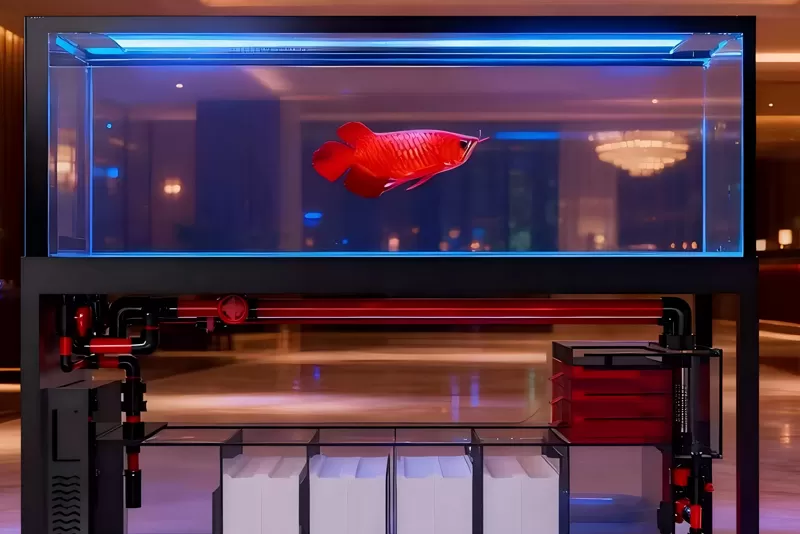
Customized Guide to Large Bottom Filter Red Dragon Fish Tanks: Structural Design and Water Circulation System Analysis
-
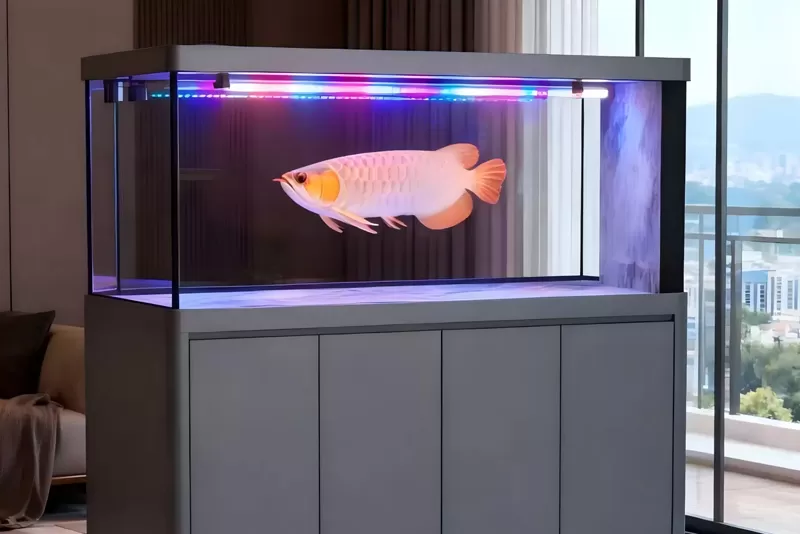
A minimalist grey four-door dragon tank aquarium selection guide and bottom filter system maintenance tutorial

Online consultation
If you have any questions, please contact our online customer service staff immediately
How can a customized seafood pool for a restaurant be made more practical? From layout, water quality to operation and maintenance cost sorting
 Click:59
 Time:2026-11-10 09:55:33
 Author:艺景水族-鱼缸定制厂家
How can a customized seafood pool for a restaurant be made more practical? From layout, water quality to operation and maintenance cost sorting
When opening a restaurant, especially one that serves seafood, river delicacies, street food or fresh aquatic products, the seafood pool is not merely a "cabinet for storing fish". It directly affects the customer's ordering experience, the efficiency of food preparation in the kitchen, the loss rate of fresh aquatic products, and even the floor efficiency of the store. Many restaurant owners, when customizing seafood pools, tend to focus on the appearance, size and quotation first, but neglect the adaptability to business operations. As a result, problems such as unstable water quality, high seafood loss, trouble in replenishment and relatively high maintenance costs occur later on.
The customization of a seafood pool that is truly suitable for a restaurant should be designed around three business goals: First, it should facilitate customers' intuitive selection; Second, it facilitates rapid sorting in the kitchen. Third, reduce the difficulty and wear and tear of long-term maintenance. These three goals determine that a seafood pool is not necessarily the larger or more luxurious the better, but should be in line with the store's positioning, the structure of the menu, the business area, and the consumption habits of the customer base.
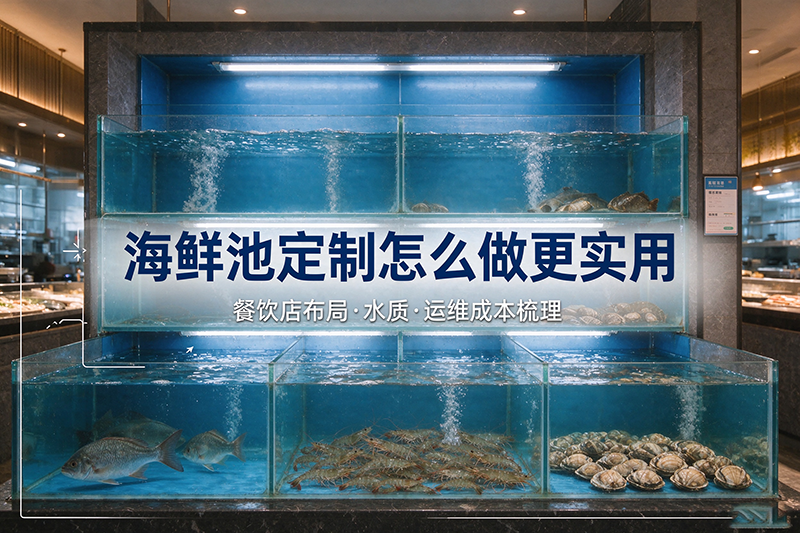 First, determine the business requirements, and then discuss the customized size of the seafood pool
Many bosses' first reaction is, "I want to build a larger seafood pool." However, the operating area of a restaurant is limited. The front hall needs to take into account the customer flow and dining atmosphere, while the back kitchen should consider the connection between washing vegetables, serving dishes, temporary breeding and slaughtering. Before customizing a seafood pool, it is recommended to clarify the following issues first
Which fresh and lively product categories does the store focus on? For instance, crayfish, shellfish, sea bass, grouper, crabs, shrimps, river eels, etc. Different species have different requirements for water temperature, salinity, water flow, dissolved oxygen and temporary stocking density. The more complex the categories are, the higher the requirements for the separation of the seafood pool will be.
Who is the seafood pool mainly for? If the on-site selection by customers is the main approach, the seafood pool should be set up as close as possible to the entrance, open stalls or ordering areas, which will have a stronger visual display effect. If the main purpose is for temporary breeding and turnover in the kitchen, it should be closer to the aquatic product processing area to reduce the transportation distance.
What is the daily turnover volume? For stores with high average daily sales, seafood pools need a stronger circulation system, temporary storage capacity and easier cleaning. If there are only a few special and fresh dishes, there is no need to overly pursue large-scale equipment.
From the perspective of actual operation, a common misunderstanding in customizing seafood pools for restaurants is "blindly pursuing size". When the front hall area is tight, an overly large seafood pool will compress the dining space for customers. When the kitchen flow is unreasonable, no matter how large the seafood pool is, it will increase the operational burden on the staff.
Ii. Core Design Priorities for Customizing Seafood Pools in Restaurants
The display area and the temporary breeding area should be considered separately
Customers can't see clearly and can't choose accurately.
Employees have difficulty sorting.
Seafood with different water temperature and salinity requirements influence each other.
Leftover feed, feces and suspended matter accumulate more quickly.
Therefore, when customizing a seafood tank, it is best to divide it into sections by category, specification and temporary breeding requirements, such as fish area, shrimp and crab area, shellfish area, temporary breeding turnover area, etc.
2. The water quality system determines the later loss
Common problems with catering seafood pools do not occur when the equipment is installed, but are exposed after continuous use for a period of time. Turbid water, excessive foam, unpleasant odors, and decreased activity of seafood are often related to circulation filtration, sterilization, oxygenation, and water change management.
A relatively stable seafood pool system for catering usually requires attention to:
Circulation and filtration capacity: Whether the water exchange is smooth and whether the leftover feed and suspended solids can be separated in time;
Oxygenation capacity: Whether the dissolved oxygen is sufficient during high-density temporary cultivation;
Temperature control capability: Whether different categories require independent or zoned temperature control;
Salinity management: Whether seawater, soda water and freshwater are confused;
Sewage discharge and cleaning design: Whether the bottom of the pool is easy to clean and whether there are too many dead corners.
There is no need to pile up complex terms here. The restaurant owner just needs to remember one criterion: a stable system does not mean the most equipment, but rather convenient water change, clear operation, and the ability of employees to persist in execution.
3. The layout should serve the store's movement lines rather than be placed in isolation
If the customized seafood pool is only made according to the regular plan of the equipment manufacturer, it is very likely that the situation of "the equipment can be used, but the operation is not smooth" will occur. It is more suitable for restaurants to incorporate seafood pools into the overall circulation of the store.
For example:
Can customers smoothly see fresh seafood from entering the door to ordering?
When the waiters introduce the dishes, is it easy for them to point to specific pool areas?
When picking up goods from the kitchen, is there a reduction in back-and-forth transportation?
Does cleaning, water changing and oxygen replenishment affect the dining experience of customers?
When the store is large and operates an open seafood stall, the seafood pool can become a visual highlight. For smaller stores, a compact, efficient and easy-to-maintain seafood pool solution is more suitable.
Iii. After customizing the seafood pool, what costs should restaurants really pay attention to?
The seafood pool is not a one-time investment; the long-term operation and maintenance costs are equally important. Many stores only compare equipment quotations in the early stage, but later their profits are affected by electricity, water fees, consumable losses, seafood losses and labor maintenance costs.
Cost of seafood loss
Once the condition of live aquatic products declines, it not only affects sales but may also impact customers' evaluation of the freshness of the dishes. Unstable water quality, excessive density, large temperature differences and unreasonable mixed cultivation may all increase losses.
2. Costs of water, electricity and consumables
Circulating pumps, aerators, refrigerators, lighting and other equipment will continuously generate energy consumption. The larger the seafood pool and the more equipment it has, the higher the energy consumption is usually. Therefore, when customizing a seafood pool, it is necessary to consider "sufficient but not wasteful".
3. Manual maintenance costs
If the structure of the seafood pool is complex, cleaning is troublesome, and the operation threshold of the system is high, it will be difficult for employees to maintain it in a standardized manner over the long term. Restaurants are more suitable for choosing solutions that are logically clear, operationatically intuitive and easy to clean.
Iv. Tips for Avoiding Pitfalls when Choosing a Customized Seafood Pool for Restaurant Owners
Mistake 1: Only looking at the quotation without considering the business matching degree
Customizing a seafood pool is not simply about comparing prices. Different product categories, different stores, and different business models correspond to different system configurations and structural designs. If only the low price is considered, it may lead to equipment replacement, structural modification and higher losses in the later stage.
Misconception 2: Prioritizing presentation while neglecting operational stability
An attractive appearance is indeed important, but ultimately, a restaurant depends on stable operation. If a seafood pool only pursues visual effects while neglecting filtration, sewage discharge, temperature control and operational convenience, it will be very difficult to maintain in the later stage.
Misconception 3: The more complex the equipment, the better
The catering scene is not a scientific research laboratory. System stability and employee executability are more important. The equipment configuration should match the store's management capabilities rather than blindly piling up parameters.
Misconception 4: Absence of post-management
After the seafood pool is customized, the store still needs to establish basic management actions, such as:
Temporary rearing by category and zone;
Control the reasonable density;
Regularly drain, clean and change water;
Monitor water temperature, salinity and dissolved oxygen;
Timely clear out dead or abnormal individuals.
V. Simple Evaluation Methods for Customizing Seafood Pools in Restaurants
Before customizing a seafood pool, restaurant owners can quickly determine whether the plan is reasonable by asking four questions:
Does this plan match my main seafood category?
Is it convenient for customers to select and for the kitchen to pick up the goods?
Is water quality maintenance and cleaning easy to carry out?
Are the long-term water and electricity, consumables and losses within an acceptable range?
If all four questions can be answered clearly, this customized seafood pool solution is usually closer to practicality.
The core of customizing a seafood pool for a restaurant is not to create a "seemingly powerful" device, but to build a temporary breeding system that can serve the operation. When planning, restaurant owners should first clarify the category, circulation and operation and maintenance capabilities, and then decide on the size, structure and configuration. A truly suitable customized seafood pool for a restaurant must be a solution that takes into account display effect, operational efficiency and long-term stability.
When opening a restaurant, especially one that serves seafood, river delicacies, street food or fresh aquatic products, the seafood pool is not merely a "cabinet for storing fish". It directly affects the customer's ordering experience, the efficiency of food preparation in the kitchen, the loss rate of fresh aquatic products, and even the floor efficiency of the store. Many restaurant owners, when customizing seafood pools, tend to focus on the appearance, size and quotation first, but neglect the adaptability to business operations. As a result, problems such as unstable water quality, high seafood loss, trouble in replenishment and relatively high maintenance costs occur later on.
The customization of a seafood pool that is truly suitable for a restaurant should be designed around three business goals: First, it should facilitate customers' intuitive selection; Second, it facilitates rapid sorting in the kitchen. Third, reduce the difficulty and wear and tear of long-term maintenance. These three goals determine that a seafood pool is not necessarily the larger or more luxurious the better, but should be in line with the store's positioning, the structure of the menu, the business area, and the consumption habits of the customer base.
Many bosses' first reaction is, "I want to build a larger seafood pool." However, the operating area of a restaurant is limited. The front hall needs to take into account the customer flow and dining atmosphere, while the back kitchen should consider the connection between washing vegetables, serving dishes, temporary breeding and slaughtering. Before customizing a seafood pool, it is recommended to clarify the following issues first
Which fresh and lively product categories does the store focus on? For instance, crayfish, shellfish, sea bass, grouper, crabs, shrimps, river eels, etc. Different species have different requirements for water temperature, salinity, water flow, dissolved oxygen and temporary stocking density. The more complex the categories are, the higher the requirements for the separation of the seafood pool will be.
Who is the seafood pool mainly for? If the on-site selection by customers is the main approach, the seafood pool should be set up as close as possible to the entrance, open stalls or ordering areas, which will have a stronger visual display effect. If the main purpose is for temporary breeding and turnover in the kitchen, it should be closer to the aquatic product processing area to reduce the transportation distance.
What is the daily turnover volume? For stores with high average daily sales, seafood pools need a stronger circulation system, temporary storage capacity and easier cleaning. If there are only a few special and fresh dishes, there is no need to overly pursue large-scale equipment.
From the perspective of actual operation, a common misunderstanding in customizing seafood pools for restaurants is "blindly pursuing size". When the front hall area is tight, an overly large seafood pool will compress the dining space for customers. When the kitchen flow is unreasonable, no matter how large the seafood pool is, it will increase the operational burden on the staff.
Ii. Core Design Priorities for Customizing Seafood Pools in Restaurants
The display area and the temporary breeding area should be considered separately
The seafood pool in a restaurant is usually divided into two parts: display and temporary storage. The exhibition area is customer-oriented, with a focus on clear vision, distinct product categories, and comfortable lighting. The temporary breeding area faces the kitchen. The key points are stable capacity, convenient operation and smooth sewage discharge.
Customers can't see clearly and can't choose accurately.
Employees have difficulty sorting.
Seafood with different water temperature and salinity requirements influence each other.
Leftover feed, feces and suspended matter accumulate more quickly.
Therefore, when customizing a seafood tank, it is best to divide it into sections by category, specification and temporary breeding requirements, such as fish area, shrimp and crab area, shellfish area, temporary breeding turnover area, etc.
2. The water quality system determines the later loss
Common problems with catering seafood pools do not occur when the equipment is installed, but are exposed after continuous use for a period of time. Turbid water, excessive foam, unpleasant odors, and decreased activity of seafood are often related to circulation filtration, sterilization, oxygenation, and water change management.
A relatively stable seafood pool system for catering usually requires attention to:
Circulation and filtration capacity: Whether the water exchange is smooth and whether the leftover feed and suspended solids can be separated in time;
Oxygenation capacity: Whether the dissolved oxygen is sufficient during high-density temporary cultivation;
Temperature control capability: Whether different categories require independent or zoned temperature control;
Salinity management: Whether seawater, soda water and freshwater are confused;
Sewage discharge and cleaning design: Whether the bottom of the pool is easy to clean and whether there are too many dead corners.
There is no need to pile up complex terms here. The restaurant owner just needs to remember one criterion: a stable system does not mean the most equipment, but rather convenient water change, clear operation, and the ability of employees to persist in execution.
3. The layout should serve the store's movement lines rather than be placed in isolation
If the customized seafood pool is only made according to the regular plan of the equipment manufacturer, it is very likely that the situation of "the equipment can be used, but the operation is not smooth" will occur. It is more suitable for restaurants to incorporate seafood pools into the overall circulation of the store.
For example:
Can customers smoothly see fresh seafood from entering the door to ordering?
When the waiters introduce the dishes, is it easy for them to point to specific pool areas?
When picking up goods from the kitchen, is there a reduction in back-and-forth transportation?
Does cleaning, water changing and oxygen replenishment affect the dining experience of customers?
When the store is large and operates an open seafood stall, the seafood pool can become a visual highlight. For smaller stores, a compact, efficient and easy-to-maintain seafood pool solution is more suitable.
Iii. After customizing the seafood pool, what costs should restaurants really pay attention to?
The seafood pool is not a one-time investment; the long-term operation and maintenance costs are equally important. Many stores only compare equipment quotations in the early stage, but later their profits are affected by electricity, water fees, consumable losses, seafood losses and labor maintenance costs.
Cost of seafood loss
Once the condition of live aquatic products declines, it not only affects sales but may also impact customers' evaluation of the freshness of the dishes. Unstable water quality, excessive density, large temperature differences and unreasonable mixed cultivation may all increase losses.
2. Costs of water, electricity and consumables
Circulating pumps, aerators, refrigerators, lighting and other equipment will continuously generate energy consumption. The larger the seafood pool and the more equipment it has, the higher the energy consumption is usually. Therefore, when customizing a seafood pool, it is necessary to consider "sufficient but not wasteful".
3. Manual maintenance costs
If the structure of the seafood pool is complex, cleaning is troublesome, and the operation threshold of the system is high, it will be difficult for employees to maintain it in a standardized manner over the long term. Restaurants are more suitable for choosing solutions that are logically clear, operationatically intuitive and easy to clean.
Iv. Tips for Avoiding Pitfalls when Choosing a Customized Seafood Pool for Restaurant Owners
Mistake 1: Only looking at the quotation without considering the business matching degree
Customizing a seafood pool is not simply about comparing prices. Different product categories, different stores, and different business models correspond to different system configurations and structural designs. If only the low price is considered, it may lead to equipment replacement, structural modification and higher losses in the later stage.
Misconception 2: Prioritizing presentation while neglecting operational stability
An attractive appearance is indeed important, but ultimately, a restaurant depends on stable operation. If a seafood pool only pursues visual effects while neglecting filtration, sewage discharge, temperature control and operational convenience, it will be very difficult to maintain in the later stage.
Misconception 3: The more complex the equipment, the better
The catering scene is not a scientific research laboratory. System stability and employee executability are more important. The equipment configuration should match the store's management capabilities rather than blindly piling up parameters.
Misconception 4: Absence of post-management
After the seafood pool is customized, the store still needs to establish basic management actions, such as:
Temporary rearing by category and zone;
Control the reasonable density;
Regularly drain, clean and change water;
Monitor water temperature, salinity and dissolved oxygen;
Timely clear out dead or abnormal individuals.
V. Simple Evaluation Methods for Customizing Seafood Pools in Restaurants
Before customizing a seafood pool, restaurant owners can quickly determine whether the plan is reasonable by asking four questions:
Does this plan match my main seafood category?
Is it convenient for customers to select and for the kitchen to pick up the goods?
Is water quality maintenance and cleaning easy to carry out?
Are the long-term water and electricity, consumables and losses within an acceptable range?
If all four questions can be answered clearly, this customized seafood pool solution is usually closer to practicality.
The core of customizing a seafood pool for a restaurant is not to create a "seemingly powerful" device, but to build a temporary breeding system that can serve the operation. When planning, restaurant owners should first clarify the category, circulation and operation and maintenance capabilities, and then decide on the size, structure and configuration. A truly suitable customized seafood pool for a restaurant must be a solution that takes into account display effect, operational efficiency and long-term stability.


 Tel: 13530938627
 Email: 360801901@qq.com
 Fax: 0755-23469932
 Address: Unit 1, Building 3, Xinji Industrial Park, Baoshi East Road, Guantian Community, Shiyan Subdistrict, Bao'an District, Shenzhen, Guangdong, P.R.China


 13682357508
 Home
 Products