
 Chinese

 Current Location:
-
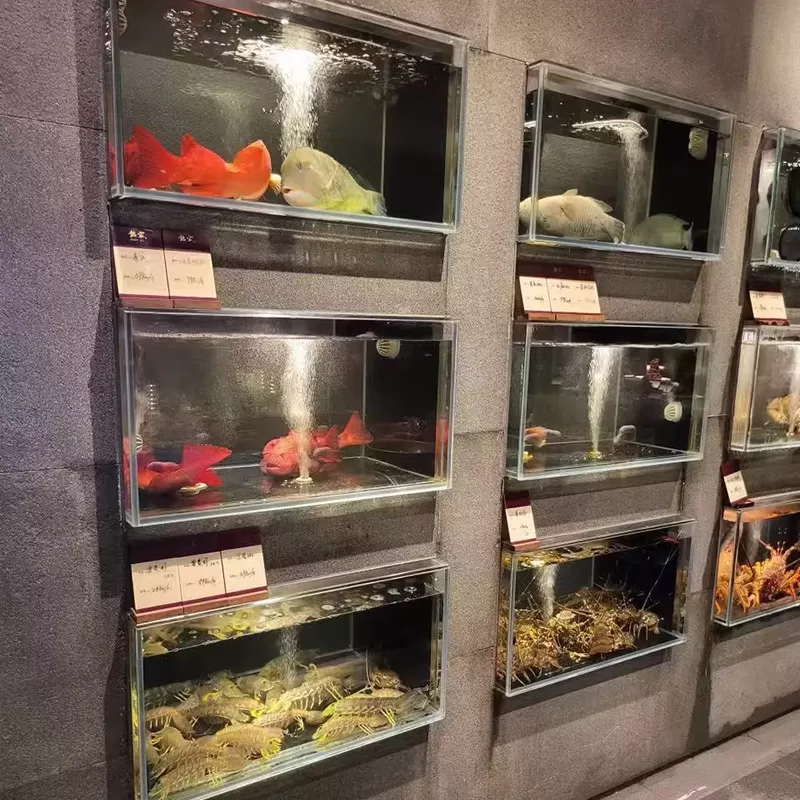
How can customized fish tanks meet the needs of seafood display and breeding in the catering industry
-
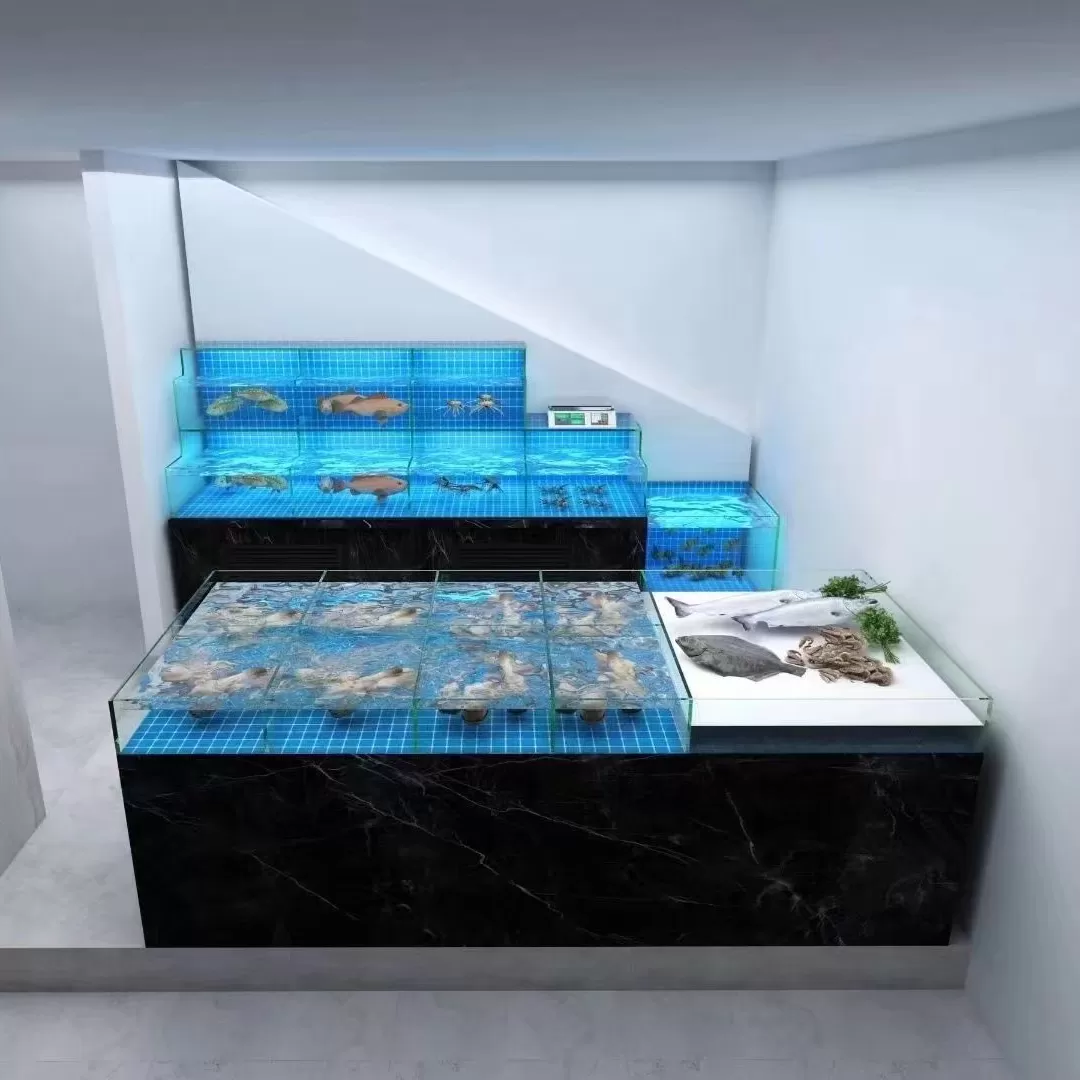
How to plan a customized fish tank? A Guide to Avoiding Pitfalls in the Design and Selection of Seafood Tanks for Catering
-
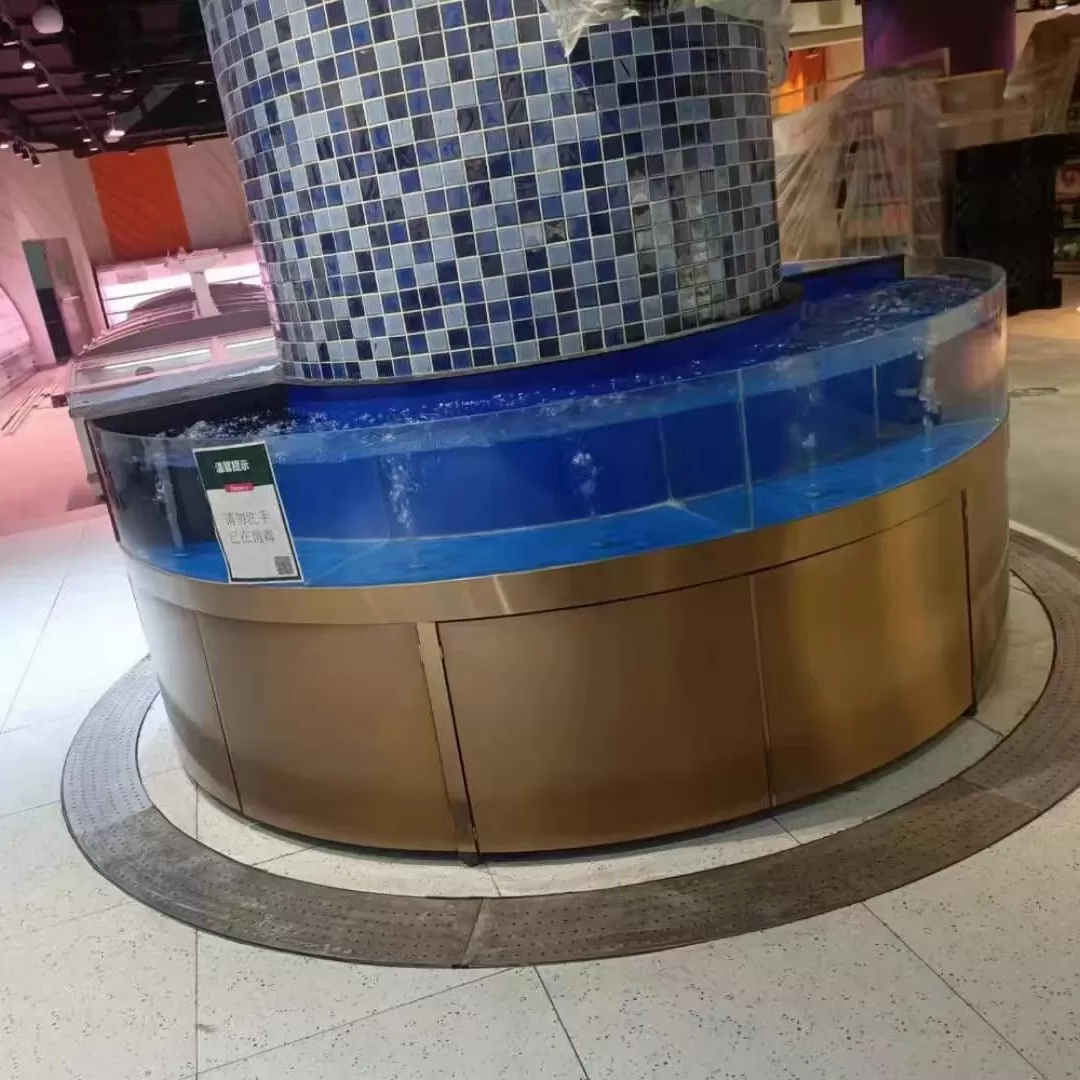
Column-wrapped arc-shaped stainless steel catering and aquaculture seafood tank: An integrated solution for commercial space column renovation and high-density aquatic product temporary breeding
-
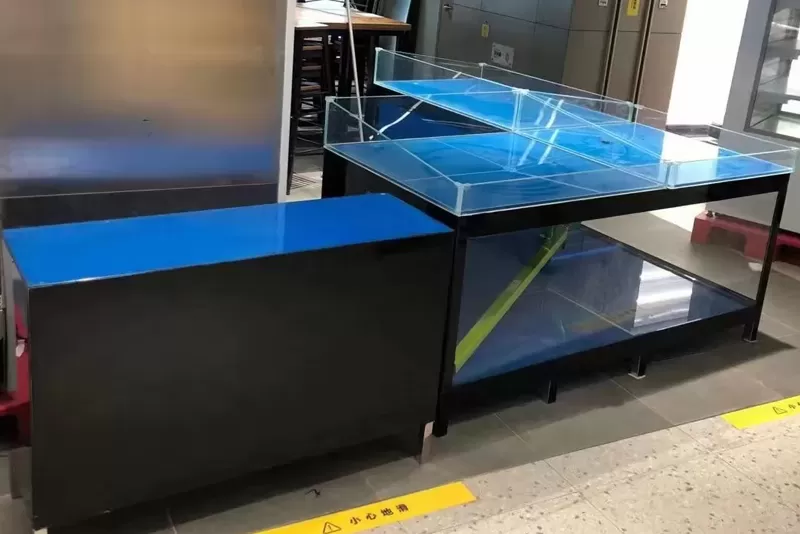
How can customized fish tanks solve the problem of corner Spaces in restaurants? Design Guide for High and Low Stratified Seafood Tanks
-
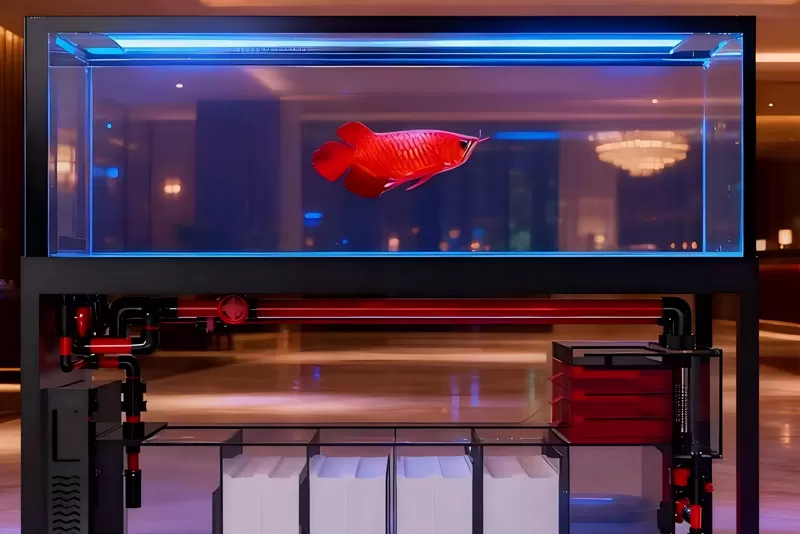
Customized Guide to Large Bottom Filter Red Dragon Fish Tanks: Structural Design and Water Circulation System Analysis
-
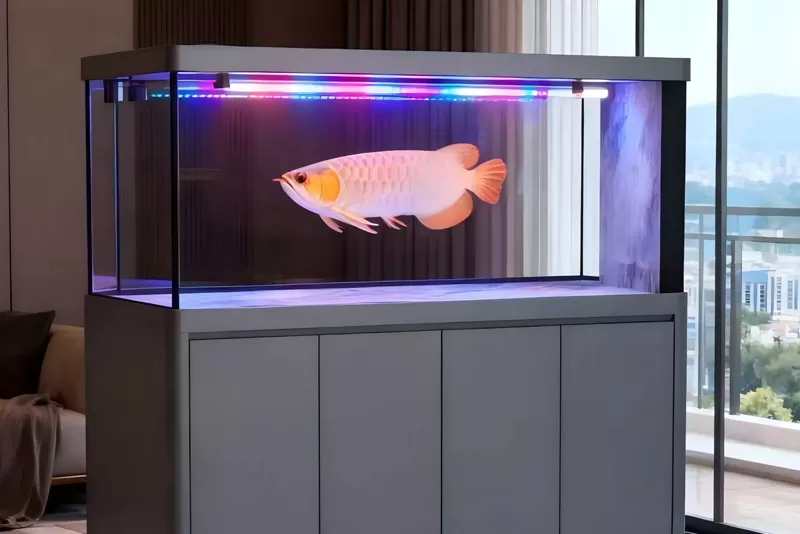
A minimalist grey four-door dragon tank aquarium selection guide and bottom filter system maintenance tutorial

Online consultation
If you have any questions, please contact our online customer service staff immediately
When customizing a fish tank, don't just focus on its appearance: size, filtration and load-bearing capacity are the key factors
 Click:44
  Time:2026-09-18 17:03:58
  Author:艺景水族-鱼缸定制厂家
When many people want to customize a fish tank, their first reaction is to "look at the style and size first." In fact, what truly determines whether a custom fish tank is practical, safe and troublesome in the long run is often not its surface design, but whether the space conditions, load-bearing structure, filtration system and maintenance path have been clearly planned in the early stage. Especially for large tanks, office display tanks, hotel and club tanks or irregular-shaped embedded tanks, once the initial measurement is inaccurate or the system configuration is unbalanced, problems such as leakage risks, obvious noise, difficult water quality maintenance and difficult equipment inspection and repair may occur in the later stage.
The editor of Yijing Aquarium doesn't talk about fancy concepts. Instead, based on real practical experience, we help you sort out several key points that must be considered before customizing a fish tank.
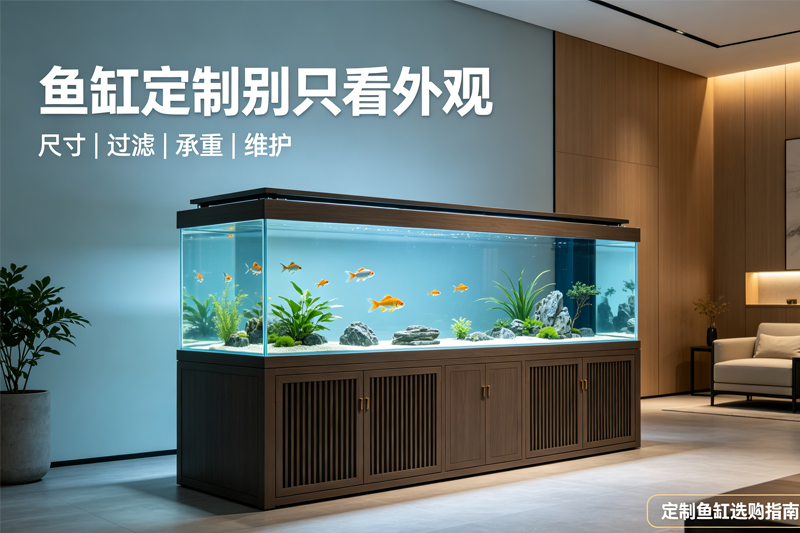
The first step in customizing a fish tank is not to decide on the shape, but to confirm the site conditions.
1. Actual available space
When measuring, one should not only look at "how long the wall is", but also confirm at the same time:
The net length, net depth and net height of the fish tank's placement position
Are there any beams, light troughs or suspended ceilings blocking the top
Is it necessary to reserve maintenance space on both sides
Can the cabinet units, pipelines and equipment areas be hidden in reasonable positions
Whether the entrance, elevator and passage are suitable for later transportation and installation
Many failed cases are due to the fact that only the visual dimensions were considered in the early stage, while the on-site conditions were ignored. As a result, the cylinder block was made but could not be inserted, could not be placed, and could not be repaired after installation.
2. Load-bearing conditions
Water is very heavy, and large fish tanks have requirements for the floor, cabinet body and structure. Especially for positions such as floors, partitions, floor slabs, and above cabinets, it is necessary to assess in advance whether the load-bearing capacity is sufficient. When necessary, structural professionals should be invited to review it, and judgment should not be made solely based on experience.
3. Water and electricity conditions
Customized fish tanks often involve equipment such as water pumps, filters, lighting, temperature control, and sterilization, which need to be confirmed in advance
Is there an independent socket or a dedicated circuit
Whether the water and electricity locations are close to the equipment area
Is the water supply and drainage convenient
Is it necessary to reserve safety designs such as leakage warning and drainage plans
Conclusion in advance: Before customizing a fish tank, first check the space, load-bearing capacity, and water and electricity conditions, and then decide on the size and shape.
Iii. Size and Viewing Effect: It should be visually appealing as well as convenient to maintain
Many customers ask: How long and what height is more suitable for custom-made fish tanks?
There is no uniform answer to this question, but the following principles can be referred to:
Length depends on space, and height depends on maintenance
Generally speaking, for household or ordinary commercial display cylinders, the length should comply with the on-site space. The height and depth should take into account viewing, lighting, cleaning and fishing operations. If the tank body is too high and too deep, although it looks more imposing visually, it will be more difficult to clean, maintain, catch and allow light to penetrate in the later stage.
2. The structure of irregular-shaped cylinders should be evaluated in advance
Special shapes such as arc-shaped cylinders, cylindrical cylinders, embedded cylinders, partition cylinders, and suspended cylinders are highly ornamental, but their structures, selection of glass or acrylic, force analysis, sealing techniques, and installation difficulties are also higher. When customizing irregular-shaped fish tanks, the following key points should be evaluated:
Whether the structural force is reasonable
Whether the sealing scheme is reliable
Is the maintenance space sufficient
Is it convenient to change water, clean and replace accessories in the later stage
3. The cabinet body is not just "good-looking"
The cabinet is an important component of the fish tank. It not only needs to bear the weight of the water body, but also store equipment, shield pipelines, and prevent moisture and deformation. When choosing a cabinet, one should not only look at the surface texture but also pay attention to:
Cabinet load-bearing design
Moisture-proof and anti-corrosion ability
Is it convenient to open the door for inspection
Whether the equipment warehouse is conducive to heat dissipation and noise reduction
Conclusion: The size and shape of the fish tank should simultaneously serve the ornamental effect, structural safety and long-term maintenance.
Iv. Filtration System: The core determining the stability of water quality in the later stage
Whether a custom fish tank is easy to use largely depends on whether the filtration system is compatible.
Filtration is not "the larger the better", but "whether it matches the water body".
The filtration system needs to be comprehensively configured in combination with the water volume, stocking density, fish species, feeding amount, room environment and maintenance frequency. If the filtration is too small, the water quality is prone to turbidity and ammonia nitrogen accumulation. If the filtration is too large, it may lead to unnecessary energy consumption, noise and costs.
2. Common filtering approaches
Different scenarios are suitable for different filtering methods
Bottom filter: When space permits, it has a strong overall processing capacity and is suitable for medium and large-sized display tanks
Back filter/side filter: The structure is relatively compact and suitable for medium and small-sized cylinders with limited space
External filtration: Flexible layout, but the convenience of pipeline connection and maintenance should be taken into consideration
Customized integrated filtration: Suitable for large commercial tanks, it can be designed in combination with modules such as circulation, sedimentation, physical filtration, and biological filtration
The specific selection should be determined by professionals based on the water body, the farmed objects and the site conditions.
3. Water flow, circulation and noise
In addition to the size of the filter chamber, the water circulation is also very important. If there are too many dead corners in the water flow inside the tank, leftover feed and feces are likely to accumulate. If the local flow velocity is too high, fish may be under long-term tension. At the same time, improper design of the water pump, pipelines and overflow structure can also easily cause obvious noise.
Conclusion in advance: When customizing a fish tank, it is not only necessary to focus on the "tank body", but also to plan in advance the filtration, water flow, circulation and noise reduction schemes.
Five, seawater tanks, freshwater tanks and commercial tanks have different focuses
Customized fish tanks are not a single solution that fits all scenarios.
1. Household ornamental VAT
The key points are usually:
The size is suitable for the living room, study or entrance hall
The shape is in harmony with the interior style
Convenient for maintenance and operation
The cabinet blends seamlessly with the home space
2. Office display tank
The key points are usually:
The visual effect is more prominent
It operates stably with a low failure rate
Good noise control
The maintenance frequency should not be too high
3. Large tanks for hotels, clubs and sales offices
The key points are usually:
Structural safety and reliability
The overall landscape design is unified
The equipment area is beautifully hidden
There is a complete debugging and maintenance plan
4. Seawater tank
Seawater tanks are often more complex than ordinary freshwater tanks. Besides basic filtration, they may also involve protein separation, temperature control, lighting, calcium and magnesium water quality management, system balance and other aspects. Without a mature system design and later maintenance plan, seawater tanks are prone to problems such as water quality fluctuations and biological loss.
Conclusion: Customized fish tanks should be designed according to the classification of usage scenarios rather than simply copying the same configuration.
Vi. Common Misunderstandings in Customizing Fish Tanks
Misconception 1: Only comparing price, not configuration
The quotations for custom-made fish tanks vary greatly. The reasons may stem from the material of glass or acrylic, thickness, structural design, filtration configuration, cabinet craftsmanship, installation difficulty and after-sales guarantee. If one only looks at the total price, it is easy to overlook the configuration details, which may instead increase the cost of rectification in the later stage.
Misconception 2: Only pursuing visuals while neglecting maintenance
Embedded, partitioned, suspended and other designs have good visual effects, but if the maintenance space is insufficient, the pipeline is unreasonable, and equipment replacement is difficult, the later maintenance will be very painful.
Misconception 3: Large cylinders are not subject to load-bearing capacity assessment
The water in large fish tanks is very heavy. If the structure or the cabinet body does not bear enough weight, it may bring risks such as deformation and leakage. The larger the cylinder, the more attention should be paid to the preliminary structural assessment and on-site survey.
Misconception 4: Purchasing filtration, lighting, and temperature control separately without system integration
Many problems are not due to the poor performance of individual devices, but rather the mismatch between devices. The flow rate of the water pump, the volume of the filter tank, the power of the lighting, the temperature control capability, the drainage method, etc., need to be designed as a whole system.
Misconception 5: Placing fish directly after installation
A newly built fish tank needs to go through processes such as water injection observation, system circulation, and water quality stabilization. Do not rush to put fish in. Especially for seawater tanks and large display tanks, it takes time for the system to mature. Blindly releasing fish may cause biological loss.
Vii. Suggested Processes for Customizing Fish Tanks
The scale of different projects may vary, but it is recommended to follow the following process as much as possible:
Step 1: On-site survey and demand communication
Confirm the placement location, size restrictions, load-bearing capacity, water and electricity, style, budget, breeding objects and maintenance requirements. For large commercial cylinders, it is recommended to conduct on-site surveys rather than providing quotations based solely on photos and oral descriptions.
Step Two: Scheme design
Generate design plans based on on-site conditions, including:
Cylinder block size and shape
Cabinet style
Filtration system
Lighting and temperature control
Equipment layout
Maintenance path
Installation conditions
Step 3: Confirm the configuration and quotation
The quotation list should be as clear as possible:
Main material
Thickness or structural specification
Main equipment brands and models
Cabinet body craftsmanship
Installation scope
Warranty content
Maintenance suggestions
Step 4: Factory production and quality inspection
Customized fish tanks should undergo necessary procedures such as water filling observation, sealing inspection, and equipment testing before leaving the factory. Especially for large cylinders and irregular-shaped cylinders, pre-factory inspection can reduce on-site installation risks.
Step 5: On-site installation and commissioning
After on-site installation, tasks such as water injection, leak detection, circulation, equipment debugging, water flow adjustment, and water quality stabilization need to be carried out. The more detailed this stage is done, the more stable the later operation will be.
Step 6: Delivery and maintenance guidance
At the time of delivery, it should be confirmed whether the equipment is operating normally, whether the operation instructions are clear and whether the maintenance cycle is definite. For large commercial cylinders, it is recommended to establish a long-term maintenance plan.
Viii. Conclusion
The core of customizing a fish tank has never been "making a beautiful glass box", but rather integrating spatial conditions, structural safety, system configuration, ornamental effects and long-term maintenance. Many schemes that look good in the early stage are difficult to use in the later stage not because the cylinder block is not exquisite enough, but because issues such as filtration, load-bearing, maintenance and noise were not planned in advance.
A truly reliable fish tank customization should start with on-site survey, take system design as the core, and aim for safety, stability and long-term usability. If you are planning to make a home ornamental tank, an office display tank or a large commercial fish tank, it is recommended that you first think clearly about the four matters of size, load-bearing capacity, filtration and maintenance, and then move on to the selection of shape and style.
- Previous Article:
- Next Article: How to customize a fish tank? A practical guide to avoiding pitfalls when matching size and material filtration systems

 Tel: 13530938627
  Email: 360801901@qq.com
 Fax: 0755-23469932
 Address: Unit 1, Building 3, Xinji Industrial Park, Baoshi East Road, Guantian Community, Shiyan Subdistrict, Bao'an District, Shenzhen, Guangdong, P.R.China

 13682357508
 Home
Home Products
