
 Chinese

 Current Location:
Popular Articles
-
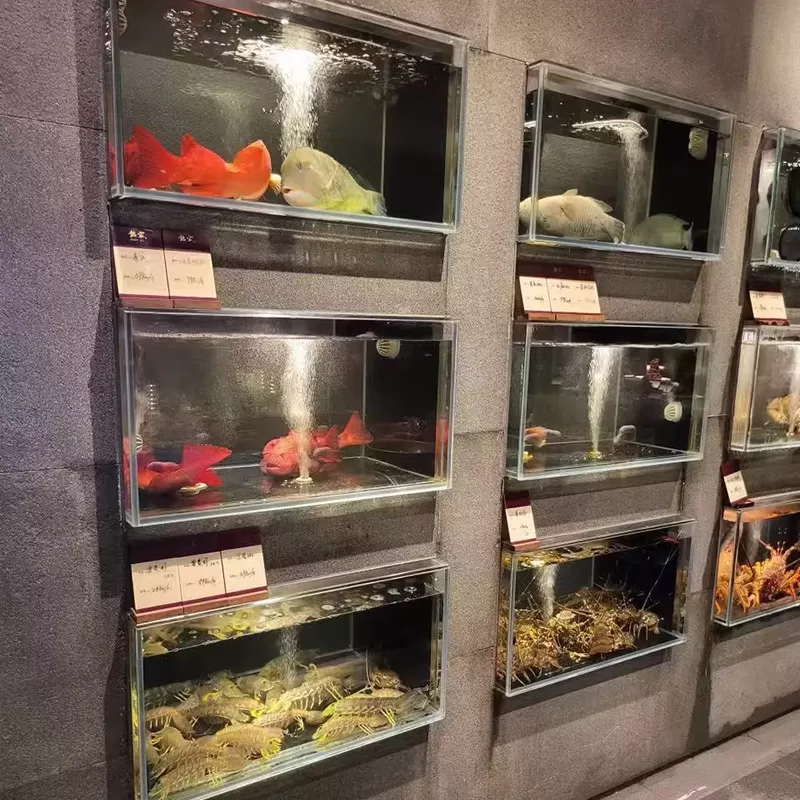
How can customized fish tanks meet the needs of seafood display and breeding in the catering industry
-
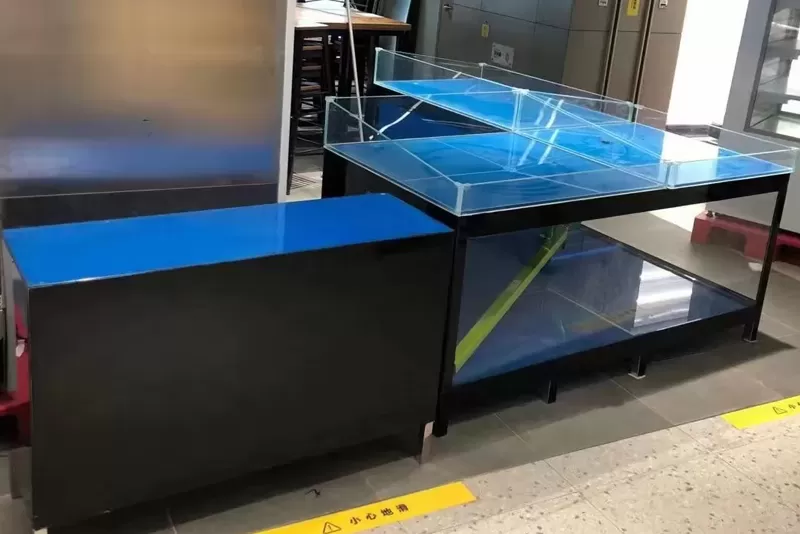
How to plan a customized fish tank? A Guide to Avoiding Pitfalls in the Design and Selection of Seafood Tanks for Catering
-
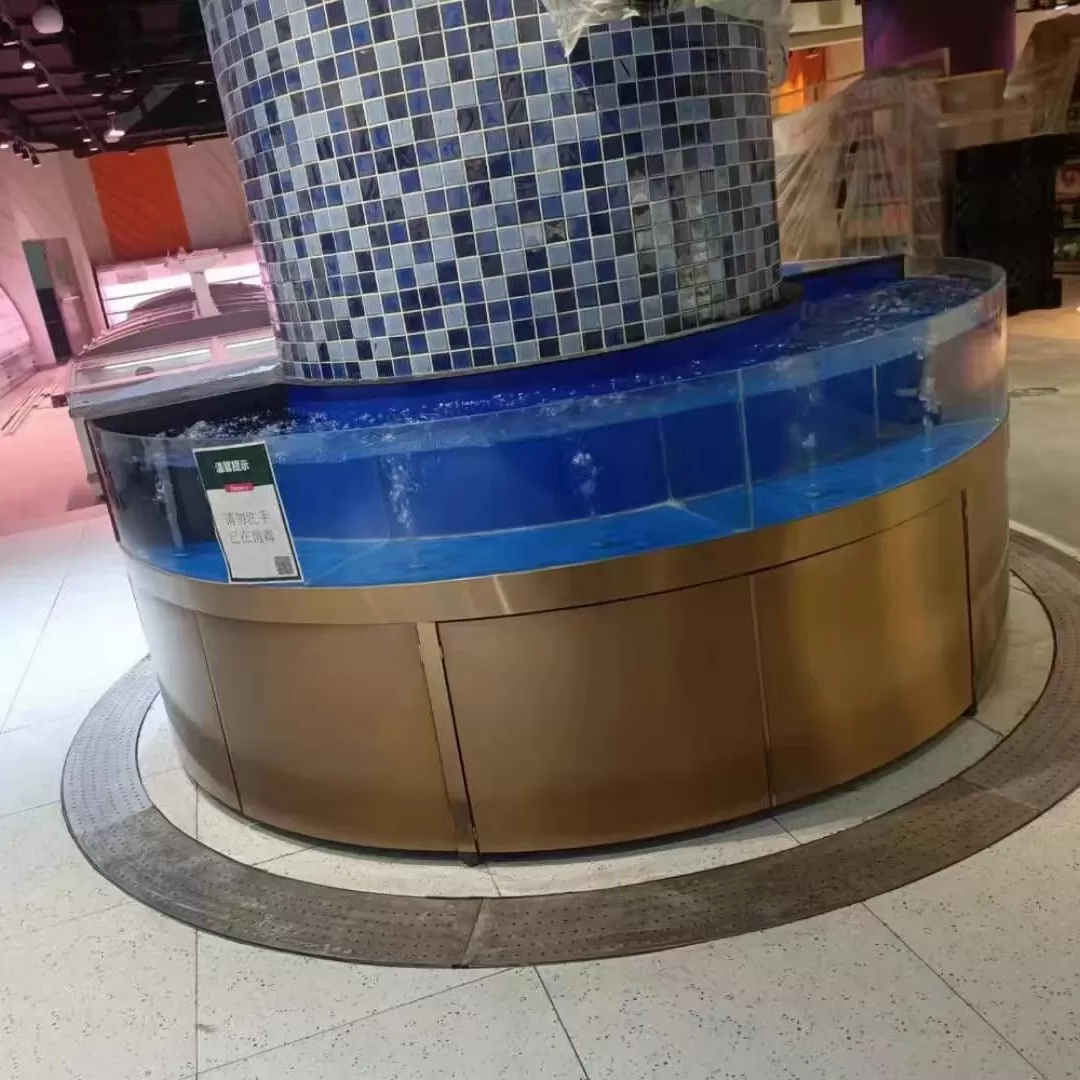
Column-wrapped arc-shaped stainless steel catering and aquaculture seafood tank: An integrated solution for commercial space column renovation and high-density aquatic product temporary breeding
-
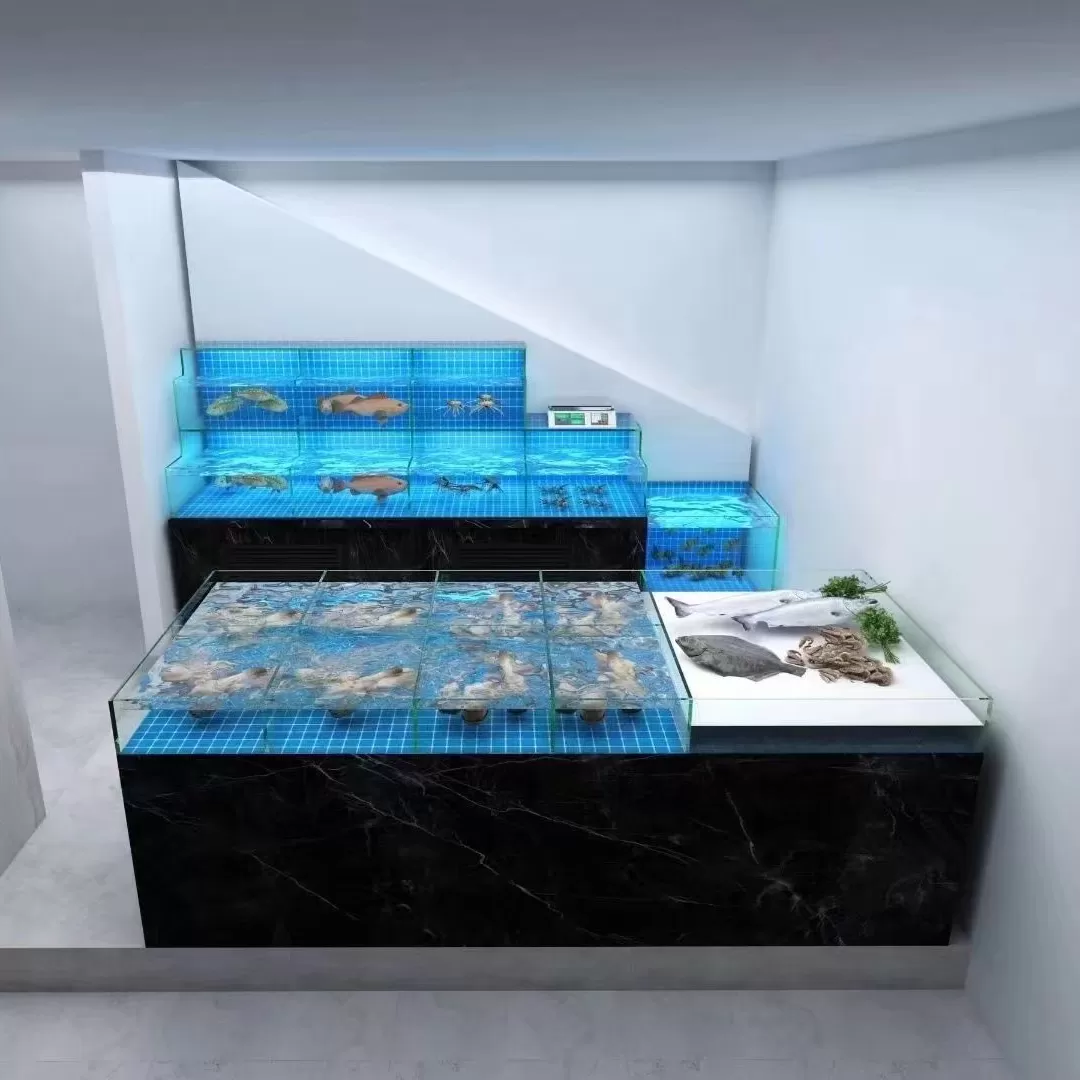
How can customized fish tanks solve the problem of corner Spaces in restaurants? Design Guide for High and Low Stratified Seafood Tanks
-
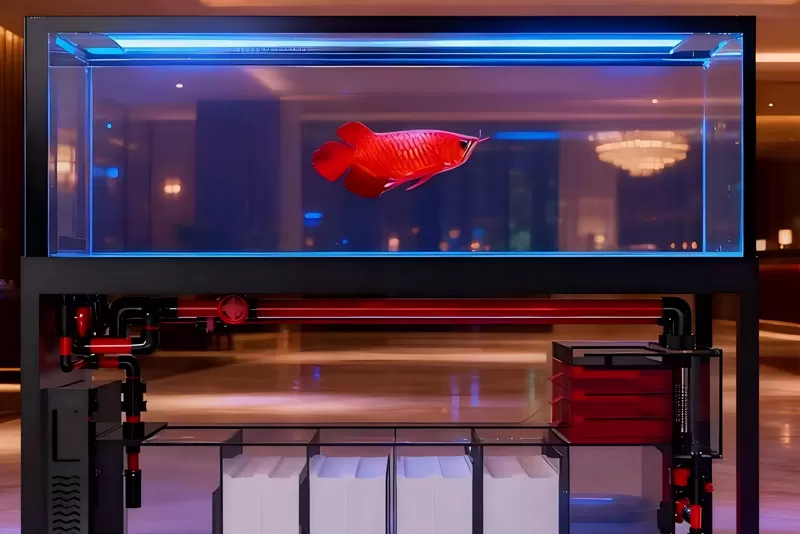
Customized Guide to Large Bottom Filter Red Dragon Fish Tanks: Structural Design and Water Circulation System Analysis
-
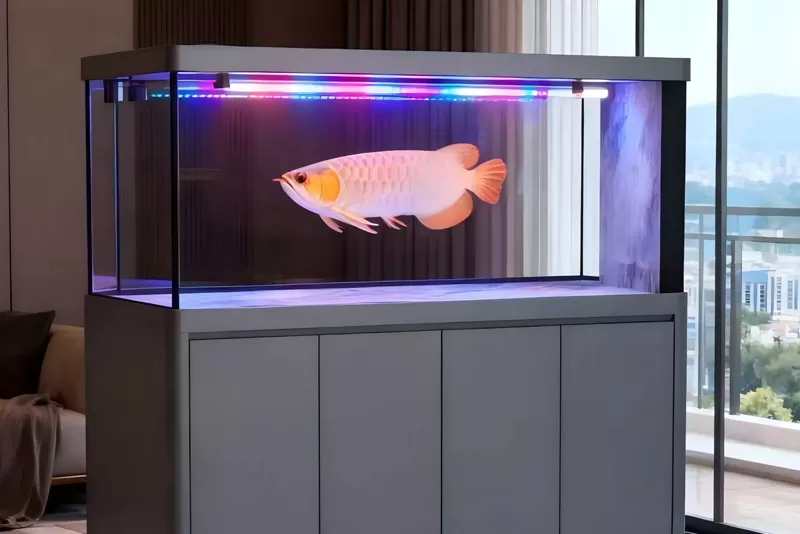
A minimalist grey four-door dragon tank aquarium selection guide and bottom filter system maintenance tutorial

Online consultation
If you have any questions, please contact our online customer service staff immediately
How to customize a fish tank? A practical guide to avoiding pitfalls when matching size and material filtration systems
 Click:73
  Time:2026-09-11 16:19:44
  Author:艺景水族-鱼缸定制厂家
When many people are preparing to customize fish tanks, they often first think of the appearance and size, but overlook key issues such as load-bearing capacity, glass thickness, filtration and circulation, and later maintenance. In reality, many household and commercial customers only focus on the visual effect in the early stage. After the fish tank is installed, they find that it is difficult to enter and exit the space, the load-bearing capacity is insufficient, the noise is obvious, or the maintenance and cleaning are very troublesome. Eventually, they have to rework and make adjustments.
Customized fish tanks are not merely about making a glass box, but rather an integrated project that combines size planning, material selection, structural safety, water treatment systems, and assessment of installation conditions. The focus varies in different scenarios. For living room fish tanks, visual coordination and maintenance convenience are emphasized, while for large commercial fish tanks, structural safety, water stability and equipment redundancy are more stressed. Shenzhen Yijing Aquarium specializes in aquarium engineering, customized fish tanks and related water treatment services. It can provide suitable solutions based on the on-site space, load-bearing conditions and viewing requirements, reducing the planning mistakes of customers in the early stage.
When conducting on-site measurements, do not only look at the length, width and height of the placement position, but also reserve installation channels. If the fish tank is too large, it may become an obstacle at the entrance door, in the corridor and at the turn of the elevator. It is recommended to confirm the width of the passage, the floor height and the turning radius in advance, and incorporate the handling path into the assessment during the planning stage.
Whether the load-bearing conditions are met
The water body is quite heavy, with one cubic meter of water weighing approximately one ton. Considering the weight of the fish tank itself and the equipment, there are certain requirements for the ground's load-bearing capacity. Especially for floors, balconies and mezzanines, it is necessary to assess the load-bearing capacity in advance. If necessary, structural reinforcement or decentralized load-bearing treatment should be carried out. Don't blindly create large water bodies just for visual effects.
Power supply and water supply and drainage conditions
Large custom fish tanks usually require electrical equipment such as circulation pumps, filtration devices, lighting, and temperature control systems. It is necessary to confirm the socket capacity and independent circuits in advance. Customers with the necessary conditions can reserve water supply and drainage interfaces, which will make water replacement and maintenance more convenient in the future. If there are no fixed drainage conditions, a mobile water intake plan should be planned in advance.
Viewing objects and maintenance frequency
The requirements for filtration systems, water quality stability and lighting vary when raising large fish, small swimming fish in groups and Marine reef tanks. Before customizing a fish tank, the main breeding direction should be determined first, and then the depth of the tank body, the filter chamber and the power of the equipment should be configured in reverse to avoid the situation of "making the tank first and then adding the equipment".
When choosing materials and structures, don't just look at the thickness
How to choose glass material
Ordinary float glass has a moderate cost and is suitable for medium and small-sized fish tanks. Ultra-clear glass has a high light transmittance and a better viewing effect, and is often used in living room display jars. Acrylic fish tanks are light in weight and have a high degree of shape freedom, but their surfaces are prone to scratches and require more meticulous maintenance for long-term use.
The thickness of glass is not necessarily the thicker the better
The thickness is mainly determined by the height, length, water pressure and structural safety of the water body. The higher the water level, the greater the pressure on the side walls, and thicker glass or additional reinforcing structures need to be matched. Blindly thickening the glass is not necessarily economical. The key is to make the material strength, reinforcing ribs and supporting structure match the water pressure.
The function of the aluminum alloy frame and the base cabinet
Larger fish tanks usually require aluminum alloy frames or load-bearing base cabinets to distribute pressure. The base cabinet is not only "good-looking", but more importantly, it ensures that the tank body is evenly stressed horizontally. When designing the cabinet, space should be reserved for equipment installation, maintenance and heat dissipation to prevent the filter pump and pipelines from being blocked.
The common approach is to add a bottom filter system to the main tank, where physical filtration, biochemical filtration and water circulation work in coordination. Physical filtration is responsible for intercepting leftover feed and feces, while biochemical filtration is responsible for establishing a nitrification system to stabilize water quality. Large fish tanks can also be equipped with protein separators, ozone or ultraviolet auxiliary devices according to the stocking density.
Flow rate and circulation volume
The flow rate of the filter pump is not necessarily the larger the better. It should be comprehensively judged in combination with the volume of the water body, the density of aquaculture, and the activity habits of fish. If the flow is too large, the fish will be submerged in water for a long time, consuming their energy. If the flow rate is too small, the water quality is prone to deterioration. Generally, a preliminary estimate can be made based on the number of water circulation cycles, and then fine-tuned according to the actual aquaculture situation.
Noise and heat dissipation
Water pumps, pipelines and overflow areas can all affect the noise experience. During the planning stage, it is necessary to select a pump body with an appropriate power, plan the pipeline layout and vibration reduction measures well to avoid low-frequency noise in the later stage. At the same time, the operation of the equipment will generate heat. For large fish tanks, attention should be paid to room temperature, water temperature control and heat dissipation conditions.
Many customers hope that the fish tank is as large and imposing as possible, but they neglect the load-bearing capacity, maintenance and equipment matching. Once the fish tank enters the aquaculture state, the water body and the weight of the equipment will remain for a long time, and safety issues cannot be compromised.
Misconception 2: Adding a filtration system casually later on
The filtration system should be designed simultaneously in the early stage of customizing the fish tank. If the positions of the bottom filter chamber, pipelines, drainage and power supply are not reserved in the early stage, the later renovation is often very troublesome and may also affect the overall structure and aesthetics.
Misconception Three: Ignoring maintenance costs
The larger the fish tank, the higher the water replacement volume, consumables, electricity bill and maintenance workload are usually. Customers should choose the appropriate size based on their own time and budget, rather than just looking at the one-time production cost.
Mistake Four: Not considering the installation environment
Areas exposed to direct sunlight are prone to algae growth. A humid environment may affect the cabinet and electrical appliances. In poorly ventilated areas, the problems of unpleasant odors and humidity are more obvious. The placement of the fish tank should avoid prolonged direct exposure to strong sunlight as much as possible, and the impact of the environment on water quality and equipment should be evaluated.
In conclusion, customizing fish tanks is a systematic task that takes into account both ornamental effects and structural safety as well as later maintenance. In the early stage, it is necessary to conduct on-site measurement, load-bearing assessment, and filtration system planning, and select appropriate materials and structures to reduce the burden of rework and maintenance. For different scenarios such as family living rooms, hotels, and commercial Spaces, it is recommended to first clarify the objects to be raised and the frequency of use, and then determine the fish tank plan, so that the customized fish tank can truly become a long-term and stable viewing space.
Customized fish tanks are not merely about making a glass box, but rather an integrated project that combines size planning, material selection, structural safety, water treatment systems, and assessment of installation conditions. The focus varies in different scenarios. For living room fish tanks, visual coordination and maintenance convenience are emphasized, while for large commercial fish tanks, structural safety, water stability and equipment redundancy are more stressed. Shenzhen Yijing Aquarium specializes in aquarium engineering, customized fish tanks and related water treatment services. It can provide suitable solutions based on the on-site space, load-bearing conditions and viewing requirements, reducing the planning mistakes of customers in the early stage.
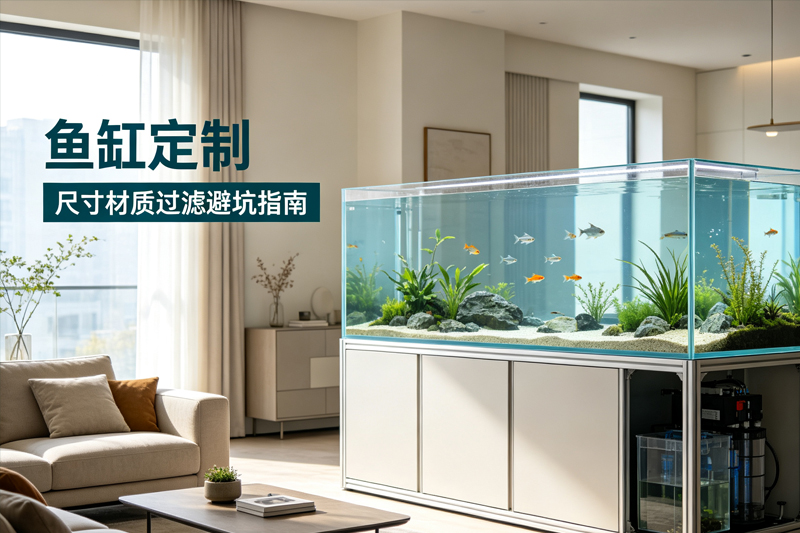
Before customizing a fish tank, confirm four basic conditions first
Spatial dimensions and entry and exit pathsWhen conducting on-site measurements, do not only look at the length, width and height of the placement position, but also reserve installation channels. If the fish tank is too large, it may become an obstacle at the entrance door, in the corridor and at the turn of the elevator. It is recommended to confirm the width of the passage, the floor height and the turning radius in advance, and incorporate the handling path into the assessment during the planning stage.
Whether the load-bearing conditions are met
The water body is quite heavy, with one cubic meter of water weighing approximately one ton. Considering the weight of the fish tank itself and the equipment, there are certain requirements for the ground's load-bearing capacity. Especially for floors, balconies and mezzanines, it is necessary to assess the load-bearing capacity in advance. If necessary, structural reinforcement or decentralized load-bearing treatment should be carried out. Don't blindly create large water bodies just for visual effects.
Power supply and water supply and drainage conditions
Large custom fish tanks usually require electrical equipment such as circulation pumps, filtration devices, lighting, and temperature control systems. It is necessary to confirm the socket capacity and independent circuits in advance. Customers with the necessary conditions can reserve water supply and drainage interfaces, which will make water replacement and maintenance more convenient in the future. If there are no fixed drainage conditions, a mobile water intake plan should be planned in advance.
Viewing objects and maintenance frequency
The requirements for filtration systems, water quality stability and lighting vary when raising large fish, small swimming fish in groups and Marine reef tanks. Before customizing a fish tank, the main breeding direction should be determined first, and then the depth of the tank body, the filter chamber and the power of the equipment should be configured in reverse to avoid the situation of "making the tank first and then adding the equipment".
When choosing materials and structures, don't just look at the thickness
How to choose glass material
Ordinary float glass has a moderate cost and is suitable for medium and small-sized fish tanks. Ultra-clear glass has a high light transmittance and a better viewing effect, and is often used in living room display jars. Acrylic fish tanks are light in weight and have a high degree of shape freedom, but their surfaces are prone to scratches and require more meticulous maintenance for long-term use.
The thickness of glass is not necessarily the thicker the better
The thickness is mainly determined by the height, length, water pressure and structural safety of the water body. The higher the water level, the greater the pressure on the side walls, and thicker glass or additional reinforcing structures need to be matched. Blindly thickening the glass is not necessarily economical. The key is to make the material strength, reinforcing ribs and supporting structure match the water pressure.
The function of the aluminum alloy frame and the base cabinet
Larger fish tanks usually require aluminum alloy frames or load-bearing base cabinets to distribute pressure. The base cabinet is not only "good-looking", but more importantly, it ensures that the tank body is evenly stressed horizontally. When designing the cabinet, space should be reserved for equipment installation, maintenance and heat dissipation to prevent the filter pump and pipelines from being blocked.
The filtration system determines the later experience
How should the filtration system be matchedThe common approach is to add a bottom filter system to the main tank, where physical filtration, biochemical filtration and water circulation work in coordination. Physical filtration is responsible for intercepting leftover feed and feces, while biochemical filtration is responsible for establishing a nitrification system to stabilize water quality. Large fish tanks can also be equipped with protein separators, ozone or ultraviolet auxiliary devices according to the stocking density.
Flow rate and circulation volume
The flow rate of the filter pump is not necessarily the larger the better. It should be comprehensively judged in combination with the volume of the water body, the density of aquaculture, and the activity habits of fish. If the flow is too large, the fish will be submerged in water for a long time, consuming their energy. If the flow rate is too small, the water quality is prone to deterioration. Generally, a preliminary estimate can be made based on the number of water circulation cycles, and then fine-tuned according to the actual aquaculture situation.
Noise and heat dissipation
Water pumps, pipelines and overflow areas can all affect the noise experience. During the planning stage, it is necessary to select a pump body with an appropriate power, plan the pipeline layout and vibration reduction measures well to avoid low-frequency noise in the later stage. At the same time, the operation of the equipment will generate heat. For large fish tanks, attention should be paid to room temperature, water temperature control and heat dissipation conditions.
Common misunderstandings about customizing fish tanks
Misconception One: Pursuing only visual effectsMany customers hope that the fish tank is as large and imposing as possible, but they neglect the load-bearing capacity, maintenance and equipment matching. Once the fish tank enters the aquaculture state, the water body and the weight of the equipment will remain for a long time, and safety issues cannot be compromised.
Misconception 2: Adding a filtration system casually later on
The filtration system should be designed simultaneously in the early stage of customizing the fish tank. If the positions of the bottom filter chamber, pipelines, drainage and power supply are not reserved in the early stage, the later renovation is often very troublesome and may also affect the overall structure and aesthetics.
Misconception Three: Ignoring maintenance costs
The larger the fish tank, the higher the water replacement volume, consumables, electricity bill and maintenance workload are usually. Customers should choose the appropriate size based on their own time and budget, rather than just looking at the one-time production cost.
Mistake Four: Not considering the installation environment
Areas exposed to direct sunlight are prone to algae growth. A humid environment may affect the cabinet and electrical appliances. In poorly ventilated areas, the problems of unpleasant odors and humidity are more obvious. The placement of the fish tank should avoid prolonged direct exposure to strong sunlight as much as possible, and the impact of the environment on water quality and equipment should be evaluated.
In conclusion, customizing fish tanks is a systematic task that takes into account both ornamental effects and structural safety as well as later maintenance. In the early stage, it is necessary to conduct on-site measurement, load-bearing assessment, and filtration system planning, and select appropriate materials and structures to reduce the burden of rework and maintenance. For different scenarios such as family living rooms, hotels, and commercial Spaces, it is recommended to first clarify the objects to be raised and the frequency of use, and then determine the fish tank plan, so that the customized fish tank can truly become a long-term and stable viewing space.


 Tel: 13530938627
  Email: 360801901@qq.com
 Fax: 0755-23469932
 Address: Unit 1, Building 3, Xinji Industrial Park, Baoshi East Road, Guantian Community, Shiyan Subdistrict, Bao'an District, Shenzhen, Guangdong, P.R.China

 13682357508
 Home
Home Products
