
 Chinese


 Current Location:
Popular Articles
-
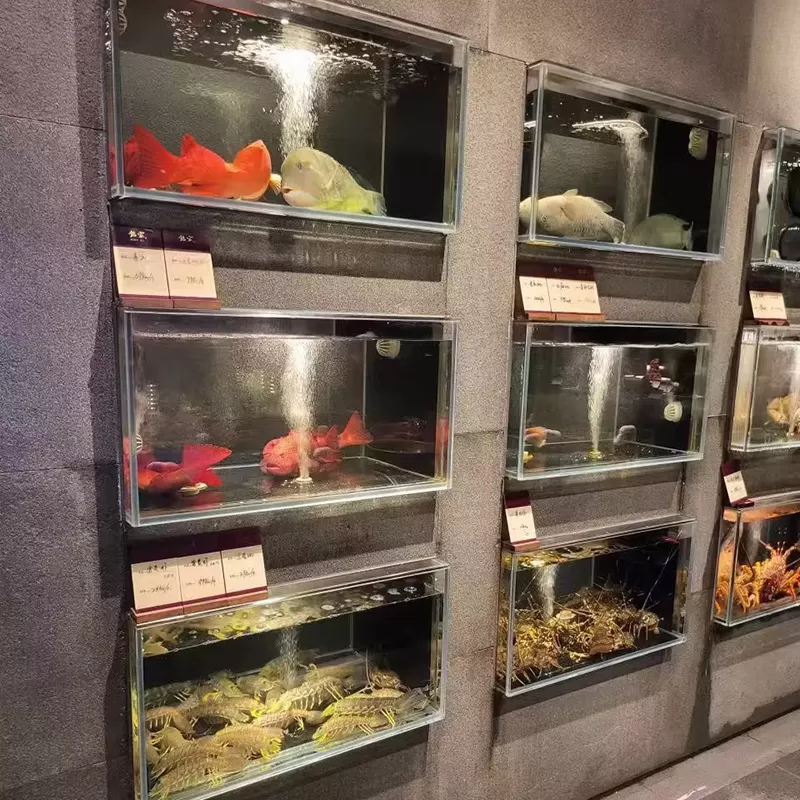
How can customized fish tanks meet the needs of seafood display and breeding in the catering industry
-
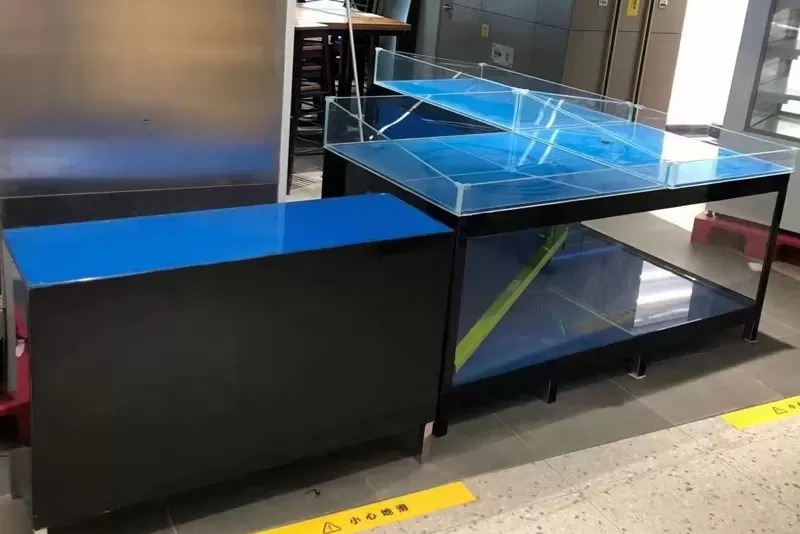
How to plan a customized fish tank? A Guide to Avoiding Pitfalls in the Design and Selection of Seafood Tanks for Catering
-
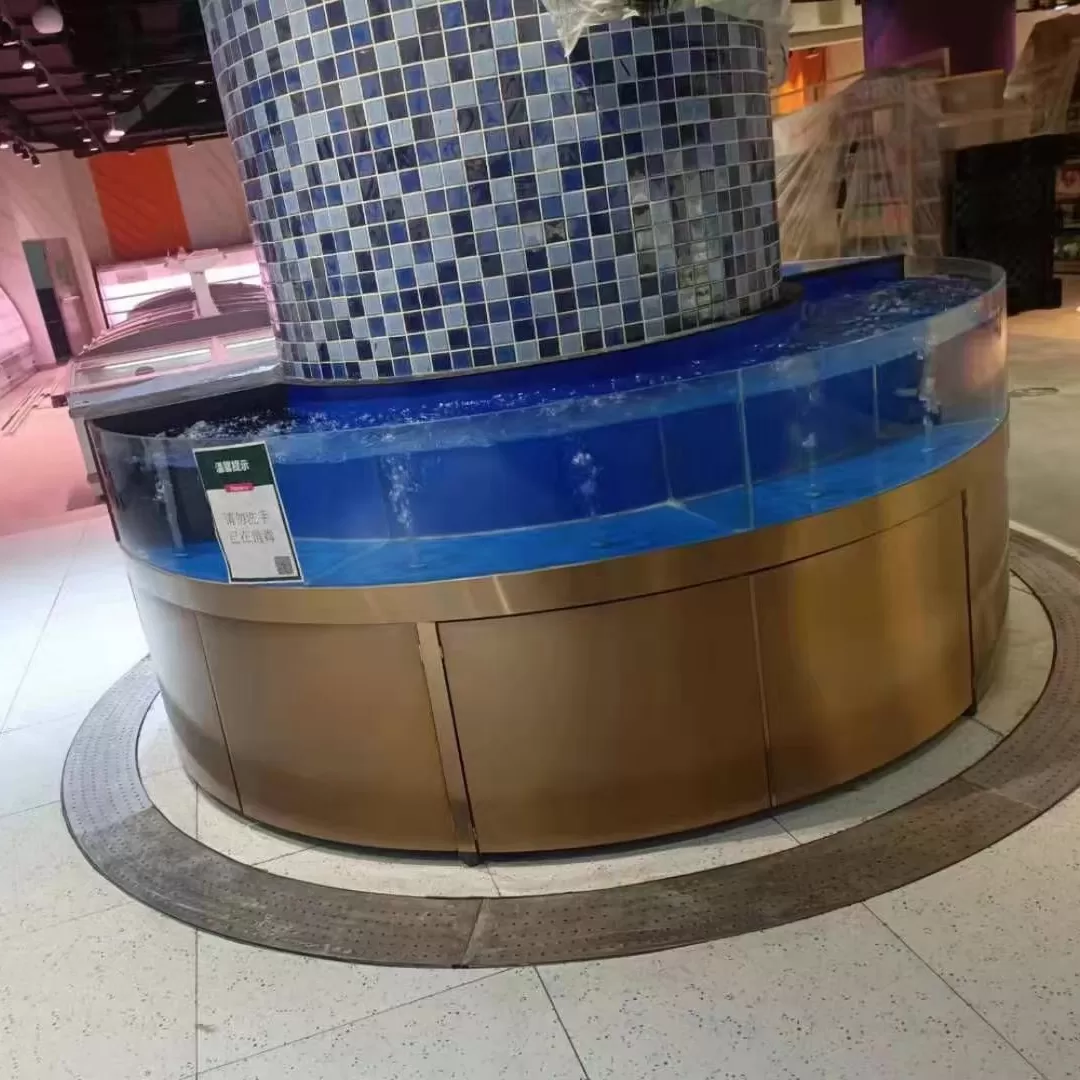
Column-wrapped arc-shaped stainless steel catering and aquaculture seafood tank: An integrated solution for commercial space column renovation and high-density aquatic product temporary breeding
-
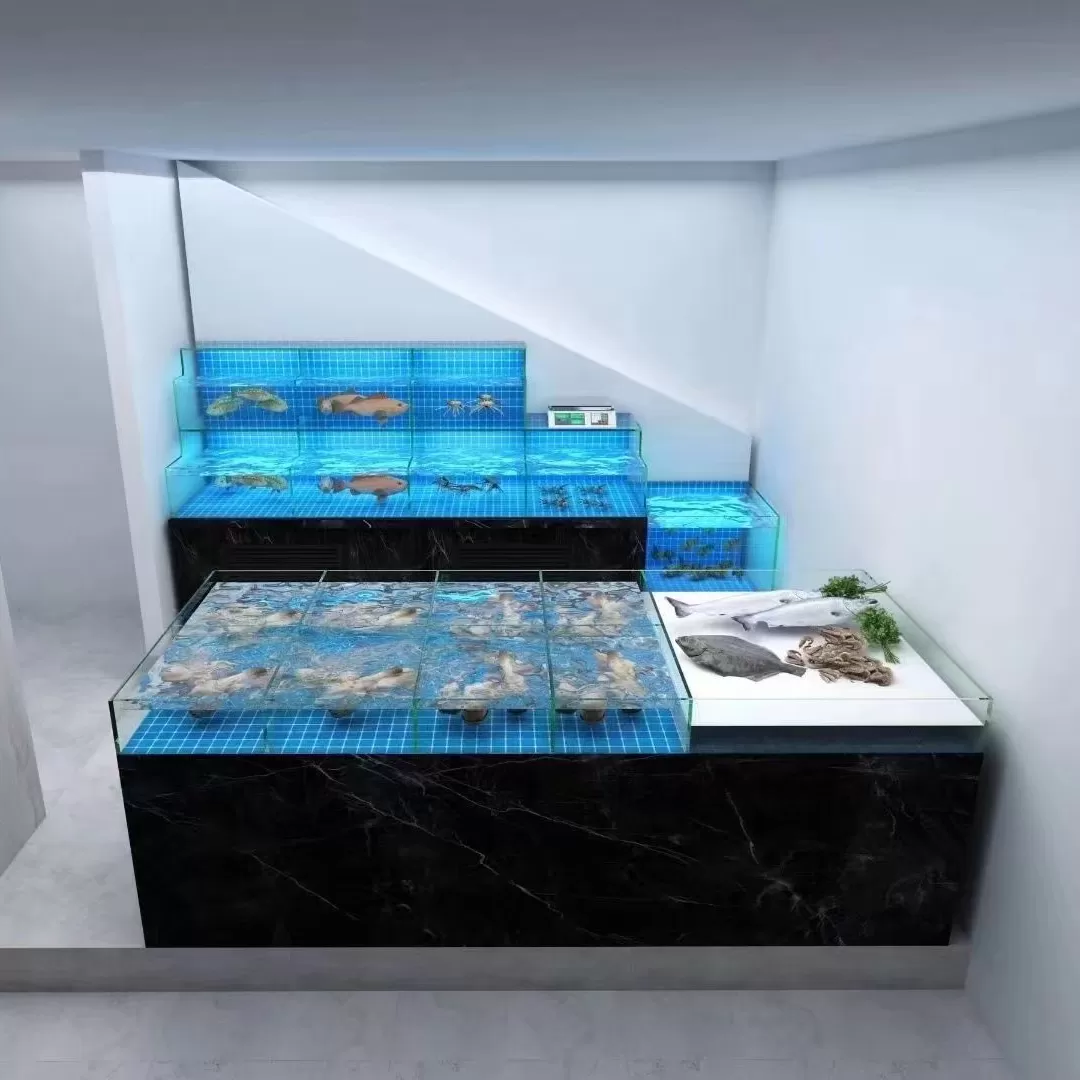
How can customized fish tanks solve the problem of corner Spaces in restaurants? Design Guide for High and Low Stratified Seafood Tanks
-
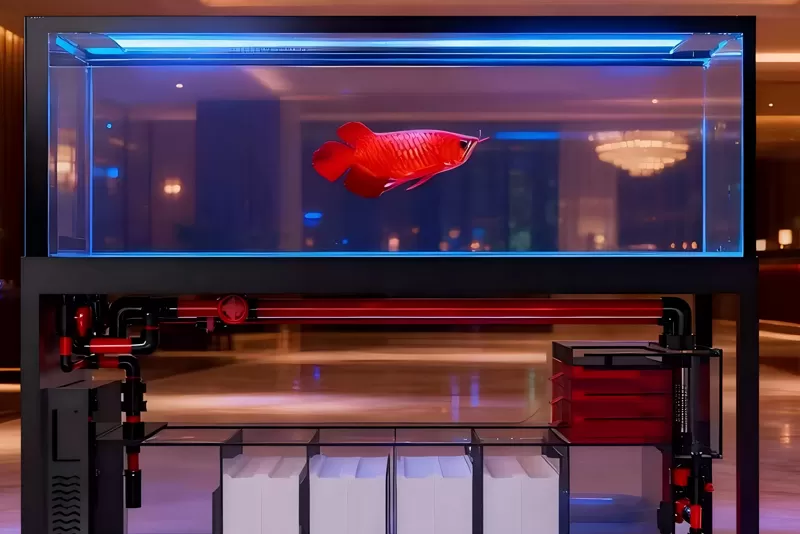
Customized Guide to Large Bottom Filter Red Dragon Fish Tanks: Structural Design and Water Circulation System Analysis
-
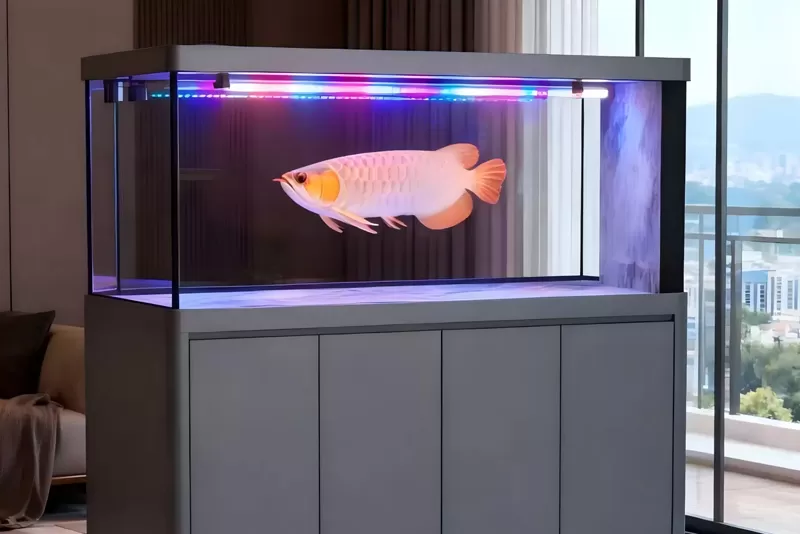
A minimalist grey four-door dragon tank aquarium selection guide and bottom filter system maintenance tutorial

Online consultation
If you have any questions, please contact our online customer service staff immediately
How to customize a fish tank safely? A guide to material selection and load-bearing capacity for large fish tanks to avoid pitfalls
 Click:10
 Time:2026-11-20 15:10:57
 Author:艺景水族
Many aquarium enthusiasts have ample space at home and are not satisfied with the fixed dimensions of ready-made tanks. They will consider customizing fish tanks to create a satisfactory water scene. Especially for large fish tanks, which have a large water capacity, if the initial design is not well considered, leakage, tank explosion, and cabinet deformation may occur. Not only will the tank body and fish and shrimp be lost, but the floor and walls may also be soaked. The risk is much higher than that of ordinary ready-made fish tanks. I have come across many aquarium cases. The root causes of many failed problems lie in the early communication and structural design stages rather than the later maintenance.
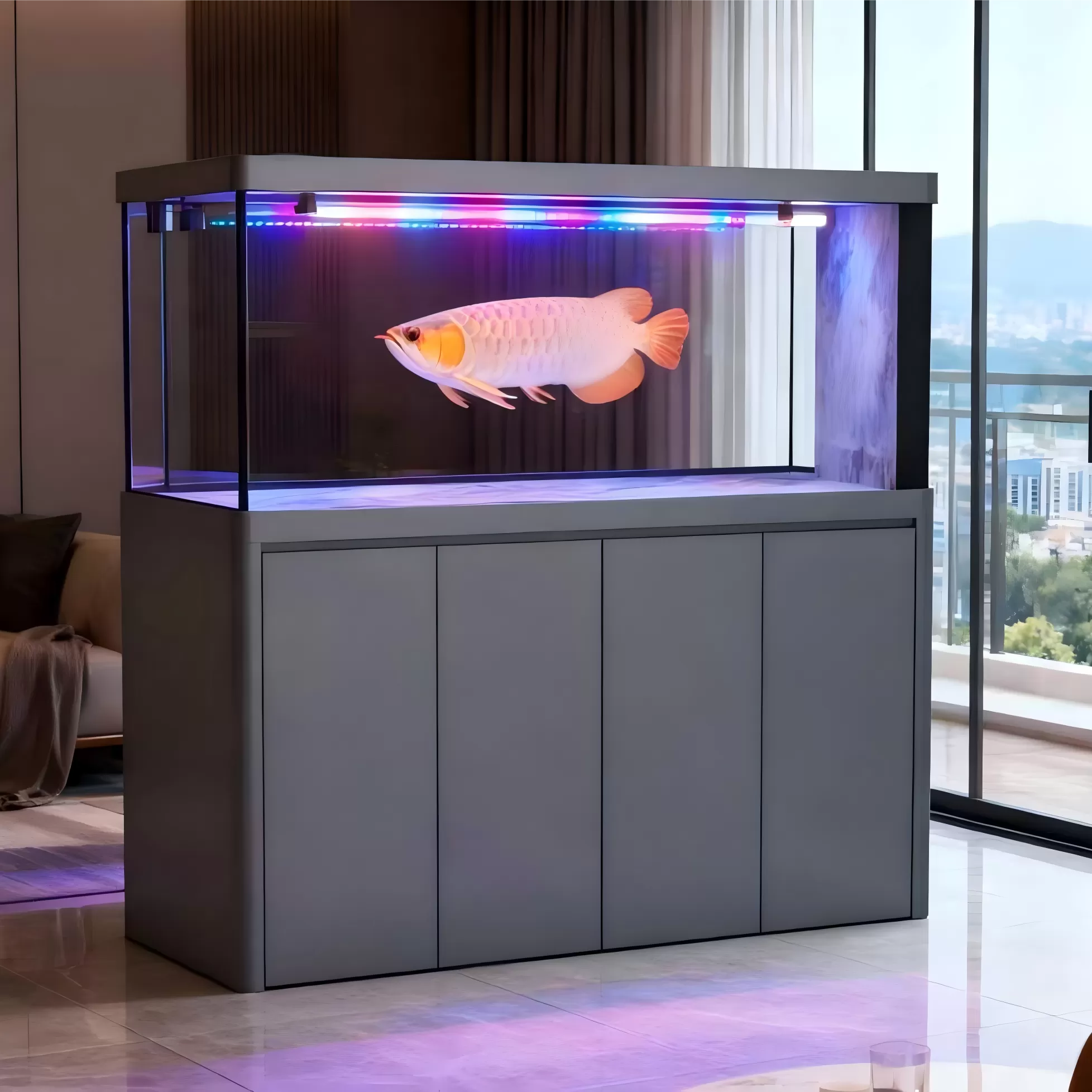 When customizing large fish tanks, the selection of glass should not be based solely on the appearance level
Customized large tanks, glass is the foundation of safety. The mainstream option available on the market is ultra-white float glass, which is also the first choice for most players. Many users only care about the transparency and ignore the thickness and edge grinding process.
The height of the water body is the core factor determining the thickness of the glass: the higher the water level, the greater the water pressure on the side walls. Conventional reference experience: Water level within 60cm is suitable for 12mm glass. Water level: 70-80cm, 15mm is recommended. When the water level exceeds 90cm, 19mm glass should be given priority and reinforcing bars should be added at the same time. The reinforcing ribs are divided into upper reinforcing ribs and lower reinforcing ribs. For long-sized large cylinders, the top reinforcing ribs can effectively counteract the deformation caused by water pressure and reduce the probability of cylinder explosion.
Also, pay attention to edge grinding: Finely ground rounded corners not only look good but also reduce stress concentration, and are less likely to be scratched during transportation and use. Don't choose rough edge grinding or omit the reinforcing ribs just to save money.
The base cabinet and floor load-bearing capacity are the most easily overlooked aspects of large fish tanks
Many families customize large fish tanks due to the issue of load-bearing capacity. One liter of water is approximately equal to 1 kilogram. In a tank that is 2 meters long, 0.6 meters wide, and has a water level of 0.7 meters, the weight of the water alone is close to 840 kilograms. When you add the glass, bottom sand, and landscaping, the total weight easily exceeds one ton.
The floor slabs of buildings do not bear weight evenly. They should be placed above the main beams first, avoiding the suspended areas in the middle of the floor slabs. Comparison of base cabinet materials: Solid wood cabinets are aesthetically pleasing, but they are prone to deformation when exposed to moisture. Aluminum alloy frames have strong water resistance and stable load-bearing capacity, making them a more reliable choice for large tanks. Multi-layer board cabinets offer good value for money, but it is necessary to do a good job in waterproofing both inside and out. Their lifespan is limited in a long-term high-humidity environment.
When customizing, it is essential to confirm with the designer that the load-bearing surface of the base cabinet bears the pressure evenly throughout the entire surface, rather than being supported at a single point.
Filtration and overflow design, suitable for long-term stability in large water bodies
Finished tank filtration often fails to meet the requirements of large water bodies. The filtration plan can be planned simultaneously during the fish tank customization stage. Bottom filtration is the mainstream solution for large tanks. The filter chamber can hold filter materials, has a strong dirt-holding capacity, and causes less fluctuation in water quality.
The overflow forms are divided into triangular overflow, quadrangular overflow and backpack overflow. For indoor home use, a backpack overflow is preferred as it generates less water flow noise. If you want the interior of the cylinder to be visually neat and the overflow at the four corners to be more aesthetically pleasing, it will take up space inside the cylinder. When designing the gap of the overflow plate and the diameter of the drain, it is necessary to match the water flow rate to avoid poor drainage, water accumulation in the overflow area or roaring water flow.
Supporting details: waterproofing, pipe fittings, reinforcement to reduce potential risks in the future
Many people focus on the cylinder block itself and neglect the details of the matching. It is recommended to attach anti-slip buffer pads at the bottom to distribute pressure. High-quality PVC pipe fittings are selected for the sewer and water supply pipes, and shock absorption treatment is done well to reduce resonance noise. If it is placed against the wall, it is also recommended to do moisture-proofing for the wall in advance to avoid long-term water vapor penetration and mold.
It is recommended that the landscaping plan be stacked later. Do not require a fixed landscaping at the bottom of the tank during the customization stage, as it will be very troublesome to clean and turn over the tank later.
When customizing fish tanks, especially large ones, safety always takes precedence over appearance. Only by rationally selecting the thickness of the glass, conducting thorough load-bearing verification, and matching the appropriate overflow filter, and implementing the details step by step, can one have a stable and aesthetically pleasing large water feature and reduce risks such as leakage and deformation.
Customized large tanks, glass is the foundation of safety. The mainstream option available on the market is ultra-white float glass, which is also the first choice for most players. Many users only care about the transparency and ignore the thickness and edge grinding process.
The height of the water body is the core factor determining the thickness of the glass: the higher the water level, the greater the water pressure on the side walls. Conventional reference experience: Water level within 60cm is suitable for 12mm glass. Water level: 70-80cm, 15mm is recommended. When the water level exceeds 90cm, 19mm glass should be given priority and reinforcing bars should be added at the same time. The reinforcing ribs are divided into upper reinforcing ribs and lower reinforcing ribs. For long-sized large cylinders, the top reinforcing ribs can effectively counteract the deformation caused by water pressure and reduce the probability of cylinder explosion.
Also, pay attention to edge grinding: Finely ground rounded corners not only look good but also reduce stress concentration, and are less likely to be scratched during transportation and use. Don't choose rough edge grinding or omit the reinforcing ribs just to save money.
The base cabinet and floor load-bearing capacity are the most easily overlooked aspects of large fish tanks
Many families customize large fish tanks due to the issue of load-bearing capacity. One liter of water is approximately equal to 1 kilogram. In a tank that is 2 meters long, 0.6 meters wide, and has a water level of 0.7 meters, the weight of the water alone is close to 840 kilograms. When you add the glass, bottom sand, and landscaping, the total weight easily exceeds one ton.
The floor slabs of buildings do not bear weight evenly. They should be placed above the main beams first, avoiding the suspended areas in the middle of the floor slabs. Comparison of base cabinet materials: Solid wood cabinets are aesthetically pleasing, but they are prone to deformation when exposed to moisture. Aluminum alloy frames have strong water resistance and stable load-bearing capacity, making them a more reliable choice for large tanks. Multi-layer board cabinets offer good value for money, but it is necessary to do a good job in waterproofing both inside and out. Their lifespan is limited in a long-term high-humidity environment.
When customizing, it is essential to confirm with the designer that the load-bearing surface of the base cabinet bears the pressure evenly throughout the entire surface, rather than being supported at a single point.
Filtration and overflow design, suitable for long-term stability in large water bodies
Finished tank filtration often fails to meet the requirements of large water bodies. The filtration plan can be planned simultaneously during the fish tank customization stage. Bottom filtration is the mainstream solution for large tanks. The filter chamber can hold filter materials, has a strong dirt-holding capacity, and causes less fluctuation in water quality.
The overflow forms are divided into triangular overflow, quadrangular overflow and backpack overflow. For indoor home use, a backpack overflow is preferred as it generates less water flow noise. If you want the interior of the cylinder to be visually neat and the overflow at the four corners to be more aesthetically pleasing, it will take up space inside the cylinder. When designing the gap of the overflow plate and the diameter of the drain, it is necessary to match the water flow rate to avoid poor drainage, water accumulation in the overflow area or roaring water flow.
A small reminder: Reserve space for maintenance
The bottom filter chamber should not be made too compact. It is necessary to reserve positions for filter material replacement and water pump maintenance, which will make later maintenance much less troublesome.Supporting details: waterproofing, pipe fittings, reinforcement to reduce potential risks in the future
Many people focus on the cylinder block itself and neglect the details of the matching. It is recommended to attach anti-slip buffer pads at the bottom to distribute pressure. High-quality PVC pipe fittings are selected for the sewer and water supply pipes, and shock absorption treatment is done well to reduce resonance noise. If it is placed against the wall, it is also recommended to do moisture-proofing for the wall in advance to avoid long-term water vapor penetration and mold.
It is recommended that the landscaping plan be stacked later. Do not require a fixed landscaping at the bottom of the tank during the customization stage, as it will be very troublesome to clean and turn over the tank later.
When customizing fish tanks, especially large ones, safety always takes precedence over appearance. Only by rationally selecting the thickness of the glass, conducting thorough load-bearing verification, and matching the appropriate overflow filter, and implementing the details step by step, can one have a stable and aesthetically pleasing large water feature and reduce risks such as leakage and deformation.


 Tel: 13530938627
 Email: 360801901@qq.com
 Fax: 0755-23469932
 Address: Unit 1, Building 3, Xinji Industrial Park, Baoshi East Road, Guantian Community, Shiyan Subdistrict, Bao'an District, Shenzhen, Guangdong, P.R.China


 13682357508
 Home
 Products