
 Chinese


 Current Location:
Popular Articles
-
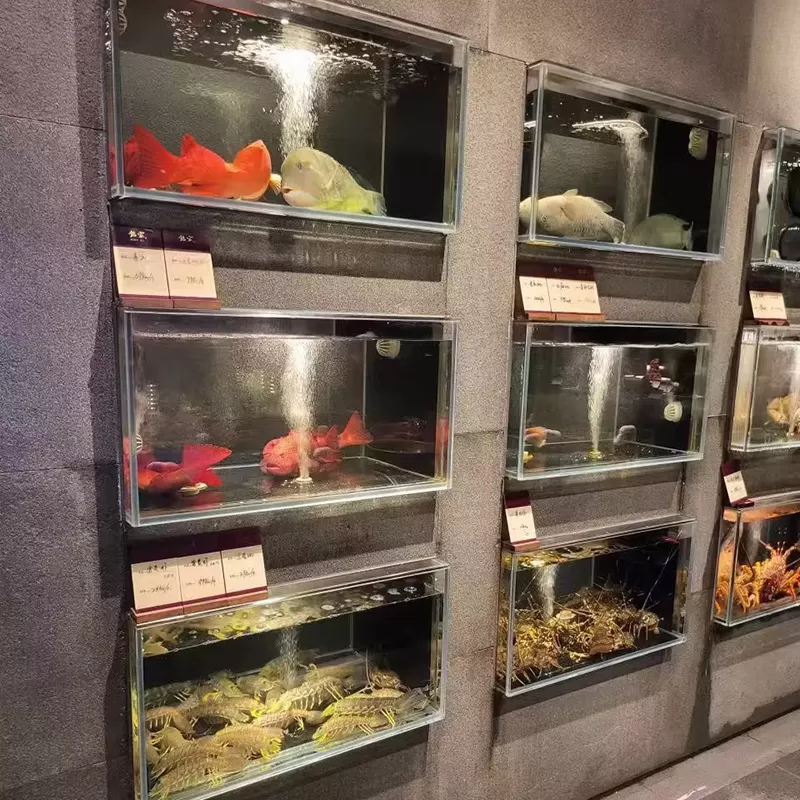
How can customized fish tanks meet the needs of seafood display and breeding in the catering industry
-
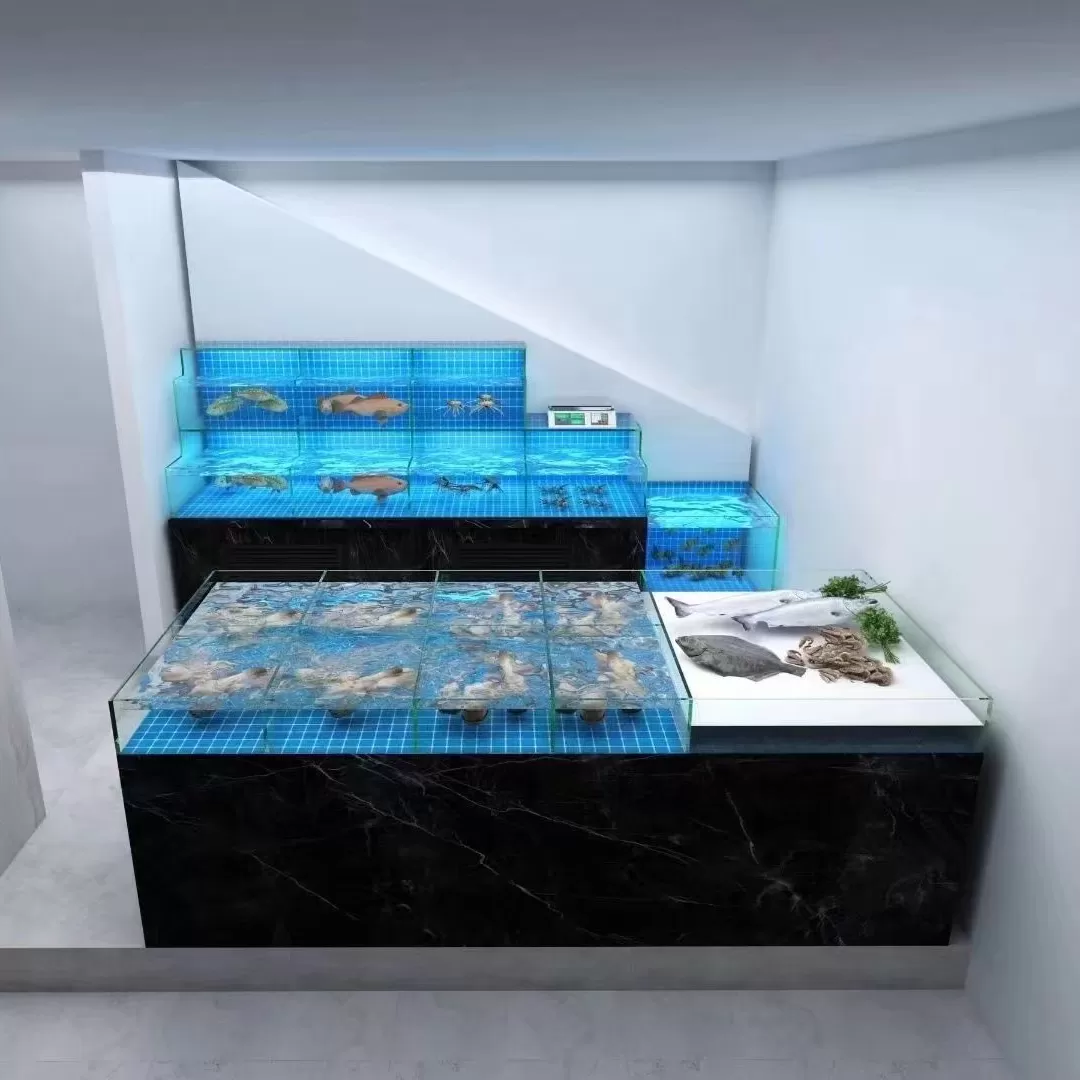
How to plan a customized fish tank? A Guide to Avoiding Pitfalls in the Design and Selection of Seafood Tanks for Catering
-
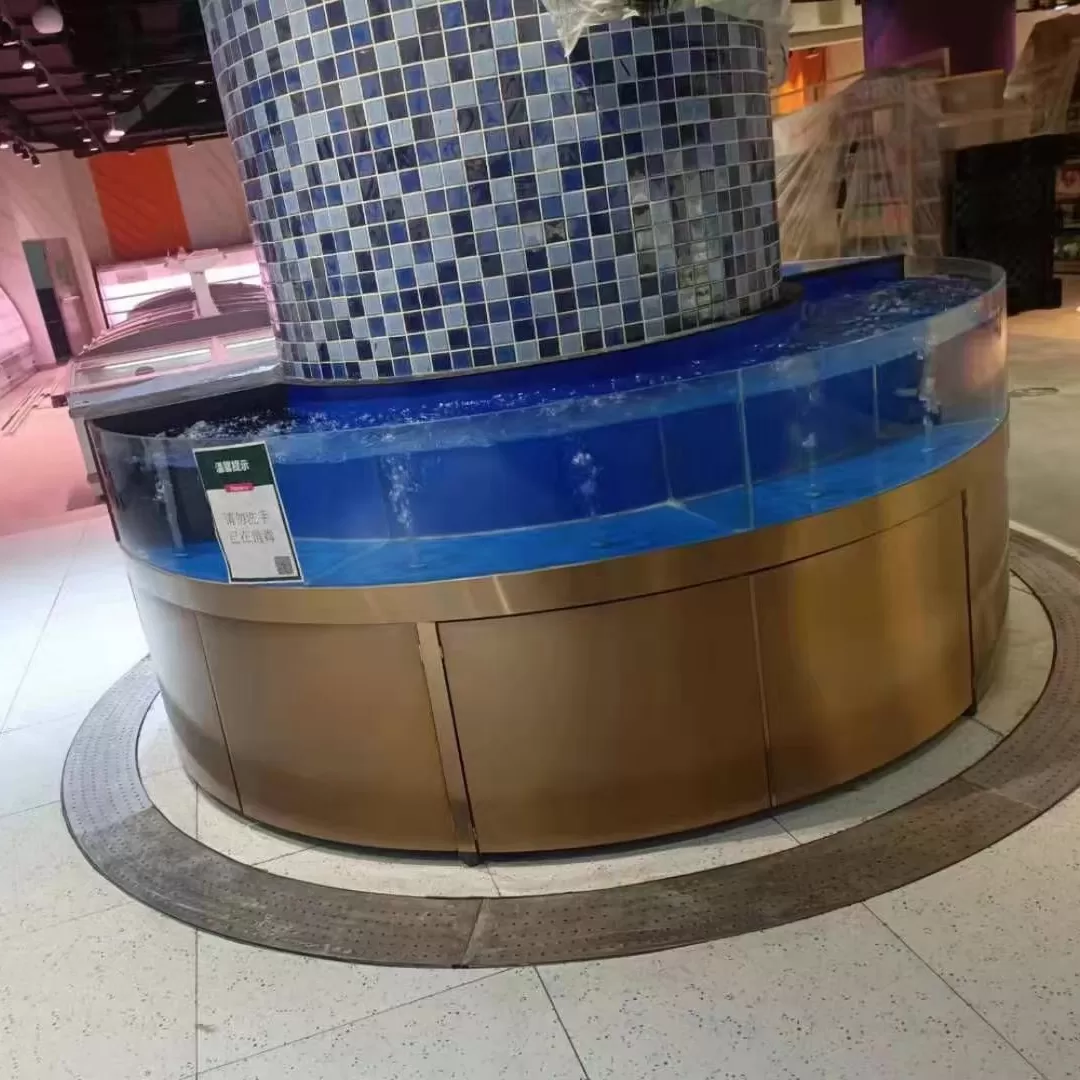
Column-wrapped arc-shaped stainless steel catering and aquaculture seafood tank: An integrated solution for commercial space column renovation and high-density aquatic product temporary breeding
-
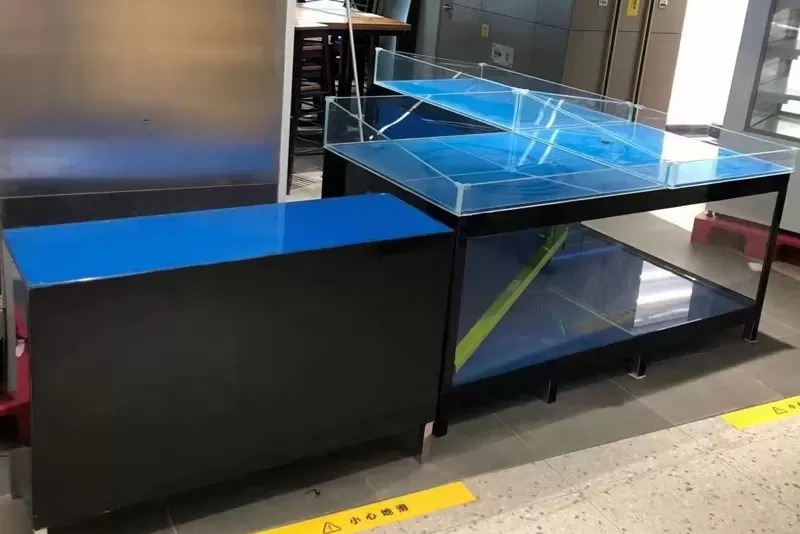
How can customized fish tanks solve the problem of corner Spaces in restaurants? Design Guide for High and Low Stratified Seafood Tanks
-
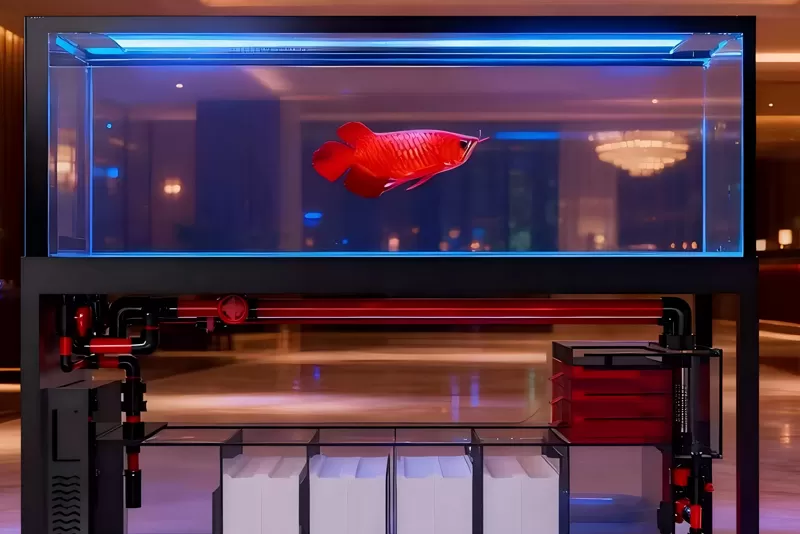
Customized Guide to Large Bottom Filter Red Dragon Fish Tanks: Structural Design and Water Circulation System Analysis
-
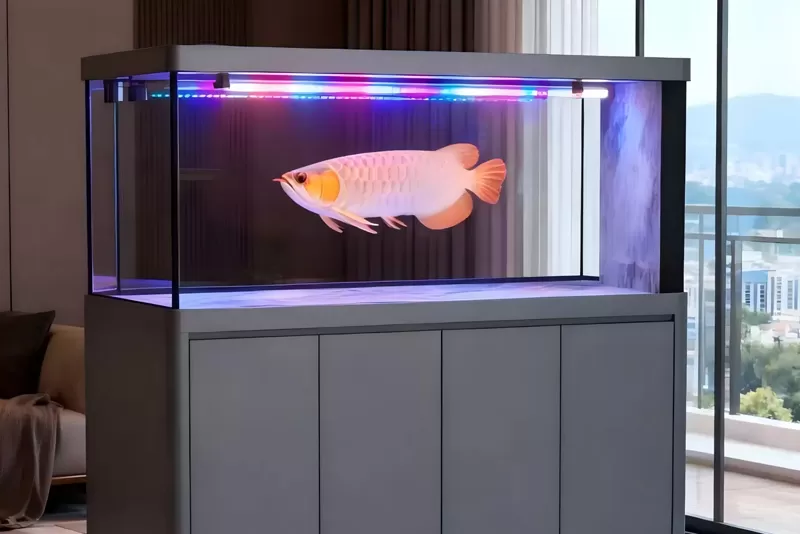
A minimalist grey four-door dragon tank aquarium selection guide and bottom filter system maintenance tutorial

Online consultation
If you have any questions, please contact our online customer service staff immediately
What business issues should be considered when customizing a seafood pool for fresh dishes in a restaurant?
 Click:45
 Time:2026-11-13 10:00:22
 Author:艺景水族-鱼缸定制厂家
What business issues should be considered when customizing a seafood pool for fresh dishes in a restaurant?
More and more catering stores hope to increase the average transaction value and menu competitiveness by offering fresh seafood, river delicacies or specialty aquatic products. However, serving fresh dishes is not merely about "introducing a few individual items". It also involves customizing seafood tanks, temporary breeding management, kitchen processing, loss control and building customer awareness. Many stores install equipment without clarifying their business logic. As a result, they have invested a considerable amount in seafood pools, but their dishes have not become stable selling points.
When a restaurant considers customizing a seafood pool, the first question it needs to answer is: Is the seafood pool for display and attracting customers, or for stable temporary breeding, or both? This issue determines the equipment budget, spatial layout, system configuration and management investment.
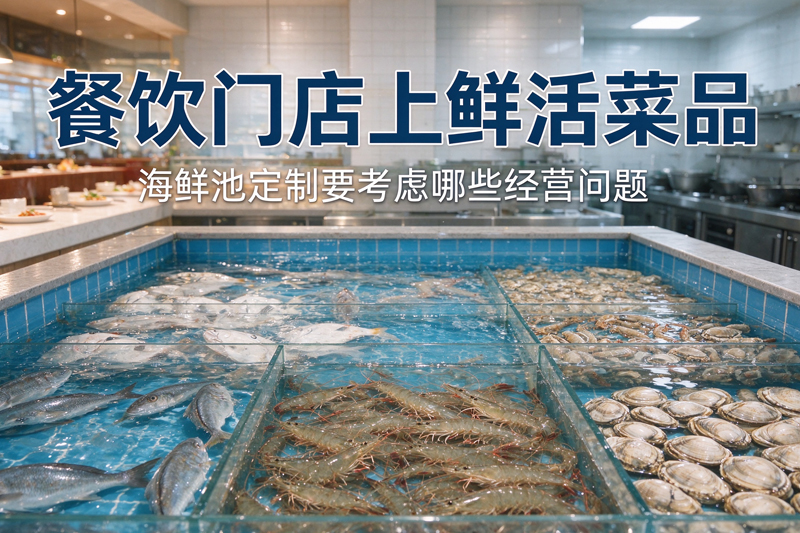 Before customizing the seafood pool, first assess whether the store is suitable for serving fresh and lively dishes
Not all restaurants are suitable for investing heavily in seafood tanks. Whether it is worth doing depends on the category structure of the store, the scale of customer flow, the average transaction value, the kitchen processing capacity and the stability of the supply chain.
Can fresh dishes become highlights of the menu?
If the store already has a stable flow of customers and they show a clear interest in "freshly caught upon order", "fresh aquatic products" and "fresh of the day", customizing a seafood pool is more likely to generate business value. On the contrary, if one merely follows the trend and adds a small number of seafood categories, the investment in equipment may be difficult to spread out.
2. Does the kitchen have the processing capacity?
Fresh dishes not only need to be temporarily raised, but also require slaughtering, cleaning, deodorization, cooking and meeting the standards for production. If there is no dedicated person in the kitchen to handle the situation or the standards of the dishes are unstable, even if the seafood pool is well done, it is very difficult to form repeat purchases.
3. Is the supply chain stable?
The prices of seafood products fluctuate greatly, the delivery time requirements are high, and there are significant differences in their freshness. If the supply chain is not stable enough, stores may encounter problems such as "having a pool but no inventory" or "high loss upon arrival".
4. Does the store space permit?
The seafood pool needs to occupy the space in the front hall or back kitchen, and at the same time, the impact of water and electricity, drainage, ventilation and noise needs to be taken into consideration. Stores with tight space are more suitable for compact plans rather than blindly expanding.
Ii. How to Match the customized seafood pool with the catering business model?
The demand for seafood pools varies among different restaurants. Some stores rely on seafood pools to attract customers, some to improve turnover efficiency, and some just to maintain a small number of signature dishes.
1. Open seafood restaurants or stores specializing in fresh aquatic products
The seafood pool in this type of store serves a strong display function. It is recommended to give priority consideration to:
Customer visibility
Clarity of category zoning;
Lighting and visual hierarchy;
Is the ordering route smooth?
However, while the displayability is enhanced, the stability of water quality and cleaning maintenance should not be ignored.
2. Home-style cuisine, street food or river food stores
This type of store usually places more emphasis on the diversity of dishes and operational efficiency. When customizing seafood pools, the focus should be on the turnover in the kitchen and the stability of temporary storage. Key attention should be paid to:
Category zoning
Temperature control and salinity management;
Sewage discharge and cleaning
Employee operational convenience.
3. Small-scale restaurants or specialty single-item stores
If only a small number of fresh and characteristic dishes are made, such as crayfish, frogs, shellfish or a small amount of river delicacies, there is no need to pursue a large scale when customizing a seafood pool. The key is to match the turnover volume of individual items and management capabilities.
Iii. How should restaurants determine the budget structure for customizing seafood pools?
The customization cost of a seafood pool usually comes from several parts: the main structure, pool zoning, circulation and filtration system, oxygenation system, temperature control system, lighting, installation and commissioning, as well as the maintenance of consumables in the later stage.
When making a budget, restaurant owners should not only compare the total price but also break it down into the following items for review:
Preliminary equipment and installation costs
Later electricity, water and consumable costs
Cost of seafood loss
Manual cleaning and management costs
Some solutions have a low initial quotation, but the system stability is insufficient, and the later wear and tear and maintenance costs are higher. Some plans require a relatively high initial investment, but they are suitable for long-term stable operation. Restaurants should choose based on their own business intensity rather than simply pursuing the lowest price.
Iv. How can restaurants reduce business risks after customizing seafood pools?
1. Control the density of temporary rearing
Excessive density is a common problem in seafood tanks of restaurants. Seafood may seem abundant, but in fact, it can easily lead to insufficient dissolved oxygen, deterioration of water quality, mutual damage and increased loss. A reasonable density is more important than "looking full".
2. Establish a basic management ledger
Stores can establish simple management records, such as:
Delivery time;
Category and quantity;
Water temperature, salinity;
Death and wear and tear conditions;
Cleaning and water change time.
These records may not be complicated, but they can help stores identify the patterns of loss.
3. Clearly define who will manage the seafood pool
The seafood pool needs to be managed by a dedicated person; otherwise, operational disruptions are likely to occur. Management actions are most likely to be absent when employees are on leave, during shift changes or when they are busy during peak hours.
4. Reasonably set the functions of the seafood pool area
Not all types of seafood need to be kept in the pool for a long time. For some product categories, the approach of "temporary cultivation upon arrival - rapid sales - timely pool cleaning" can be adopted based on the sales rhythm to reduce long-term management pressure.
V. Common Misunderstandings about Customizing Seafood Pools in Catering Stores
Misconception 1: When the equipment is in place, the dishes will naturally sell well
The seafood pool is merely a business tool, not a sales guarantee. The taste of the dishes, the price, the speed of serving, customer perception and service introduction are equally important.
Misconception 2: The larger the seafood pool, the more upscale the operation
The sense of grade comes from the overall experience rather than the size of a single device. When the store space, menu structure and service capacity do not match, an overly large seafood pool will instead increase the cost pressure.
Misconception 3: Neglecting temperature control and salinity management
Different kinds of seafood have different requirements for water temperature and salinity. Mixed breeding or chaotic parameters can easily lead to a decline in the condition of seafood and even mass loss.
Misconception 4: Focusing only on installation but neglecting training
After the installation of the seafood pool is completed, the employees must know how to change the water, drain the sewage, observe the status and adjust the parameters. No matter how good the equipment is, it is difficult to be stable without the implementation of standards.
Vi. Decision-making List for Restaurant Owners Before Customizing Seafood Pools
A simple list can be used to help determine whether it is worth investing
Do the fresh dishes in the store have clear selling points?
Does the kitchen have a stable processing capacity?
Can the supply chain deliver goods stably?
Are there suitable space and water and electricity conditions?
Can you afford the equipment investment and the later operation and maintenance costs?
Is there anyone who has been in charge of the management of the seafood pool for a long time?
If most of the above conditions hold true, the customization of seafood pools is more likely to be transformed into business value. If the conditions are not ripe, it is recommended to conduct a small-scale trial operation first and then gradually expand it.
More and more catering stores hope to increase the average transaction value and menu competitiveness by offering fresh seafood, river delicacies or specialty aquatic products. However, serving fresh dishes is not merely about "introducing a few individual items". It also involves customizing seafood tanks, temporary breeding management, kitchen processing, loss control and building customer awareness. Many stores install equipment without clarifying their business logic. As a result, they have invested a considerable amount in seafood pools, but their dishes have not become stable selling points.
When a restaurant considers customizing a seafood pool, the first question it needs to answer is: Is the seafood pool for display and attracting customers, or for stable temporary breeding, or both? This issue determines the equipment budget, spatial layout, system configuration and management investment.
Not all restaurants are suitable for investing heavily in seafood tanks. Whether it is worth doing depends on the category structure of the store, the scale of customer flow, the average transaction value, the kitchen processing capacity and the stability of the supply chain.
Can fresh dishes become highlights of the menu?
If the store already has a stable flow of customers and they show a clear interest in "freshly caught upon order", "fresh aquatic products" and "fresh of the day", customizing a seafood pool is more likely to generate business value. On the contrary, if one merely follows the trend and adds a small number of seafood categories, the investment in equipment may be difficult to spread out.
2. Does the kitchen have the processing capacity?
Fresh dishes not only need to be temporarily raised, but also require slaughtering, cleaning, deodorization, cooking and meeting the standards for production. If there is no dedicated person in the kitchen to handle the situation or the standards of the dishes are unstable, even if the seafood pool is well done, it is very difficult to form repeat purchases.
3. Is the supply chain stable?
The prices of seafood products fluctuate greatly, the delivery time requirements are high, and there are significant differences in their freshness. If the supply chain is not stable enough, stores may encounter problems such as "having a pool but no inventory" or "high loss upon arrival".
4. Does the store space permit?
The seafood pool needs to occupy the space in the front hall or back kitchen, and at the same time, the impact of water and electricity, drainage, ventilation and noise needs to be taken into consideration. Stores with tight space are more suitable for compact plans rather than blindly expanding.
Ii. How to Match the customized seafood pool with the catering business model?
The demand for seafood pools varies among different restaurants. Some stores rely on seafood pools to attract customers, some to improve turnover efficiency, and some just to maintain a small number of signature dishes.
1. Open seafood restaurants or stores specializing in fresh aquatic products
The seafood pool in this type of store serves a strong display function. It is recommended to give priority consideration to:
Customer visibility
Clarity of category zoning;
Lighting and visual hierarchy;
Is the ordering route smooth?
However, while the displayability is enhanced, the stability of water quality and cleaning maintenance should not be ignored.
2. Home-style cuisine, street food or river food stores
This type of store usually places more emphasis on the diversity of dishes and operational efficiency. When customizing seafood pools, the focus should be on the turnover in the kitchen and the stability of temporary storage. Key attention should be paid to:
Category zoning
Temperature control and salinity management;
Sewage discharge and cleaning
Employee operational convenience.
3. Small-scale restaurants or specialty single-item stores
If only a small number of fresh and characteristic dishes are made, such as crayfish, frogs, shellfish or a small amount of river delicacies, there is no need to pursue a large scale when customizing a seafood pool. The key is to match the turnover volume of individual items and management capabilities.
Iii. How should restaurants determine the budget structure for customizing seafood pools?
The customization cost of a seafood pool usually comes from several parts: the main structure, pool zoning, circulation and filtration system, oxygenation system, temperature control system, lighting, installation and commissioning, as well as the maintenance of consumables in the later stage.
When making a budget, restaurant owners should not only compare the total price but also break it down into the following items for review:
Preliminary equipment and installation costs
Later electricity, water and consumable costs
Cost of seafood loss
Manual cleaning and management costs
Some solutions have a low initial quotation, but the system stability is insufficient, and the later wear and tear and maintenance costs are higher. Some plans require a relatively high initial investment, but they are suitable for long-term stable operation. Restaurants should choose based on their own business intensity rather than simply pursuing the lowest price.
Iv. How can restaurants reduce business risks after customizing seafood pools?
1. Control the density of temporary rearing
Excessive density is a common problem in seafood tanks of restaurants. Seafood may seem abundant, but in fact, it can easily lead to insufficient dissolved oxygen, deterioration of water quality, mutual damage and increased loss. A reasonable density is more important than "looking full".
2. Establish a basic management ledger
Stores can establish simple management records, such as:
Delivery time;
Category and quantity;
Water temperature, salinity;
Death and wear and tear conditions;
Cleaning and water change time.
These records may not be complicated, but they can help stores identify the patterns of loss.
3. Clearly define who will manage the seafood pool
The seafood pool needs to be managed by a dedicated person; otherwise, operational disruptions are likely to occur. Management actions are most likely to be absent when employees are on leave, during shift changes or when they are busy during peak hours.
4. Reasonably set the functions of the seafood pool area
Not all types of seafood need to be kept in the pool for a long time. For some product categories, the approach of "temporary cultivation upon arrival - rapid sales - timely pool cleaning" can be adopted based on the sales rhythm to reduce long-term management pressure.
V. Common Misunderstandings about Customizing Seafood Pools in Catering Stores
Misconception 1: When the equipment is in place, the dishes will naturally sell well
The seafood pool is merely a business tool, not a sales guarantee. The taste of the dishes, the price, the speed of serving, customer perception and service introduction are equally important.
Misconception 2: The larger the seafood pool, the more upscale the operation
The sense of grade comes from the overall experience rather than the size of a single device. When the store space, menu structure and service capacity do not match, an overly large seafood pool will instead increase the cost pressure.
Misconception 3: Neglecting temperature control and salinity management
Different kinds of seafood have different requirements for water temperature and salinity. Mixed breeding or chaotic parameters can easily lead to a decline in the condition of seafood and even mass loss.
Misconception 4: Focusing only on installation but neglecting training
After the installation of the seafood pool is completed, the employees must know how to change the water, drain the sewage, observe the status and adjust the parameters. No matter how good the equipment is, it is difficult to be stable without the implementation of standards.
Vi. Decision-making List for Restaurant Owners Before Customizing Seafood Pools
A simple list can be used to help determine whether it is worth investing
Do the fresh dishes in the store have clear selling points?
Does the kitchen have a stable processing capacity?
Can the supply chain deliver goods stably?
Are there suitable space and water and electricity conditions?
Can you afford the equipment investment and the later operation and maintenance costs?
Is there anyone who has been in charge of the management of the seafood pool for a long time?
If most of the above conditions hold true, the customization of seafood pools is more likely to be transformed into business value. If the conditions are not ripe, it is recommended to conduct a small-scale trial operation first and then gradually expand it.
- Previous Article:How to customize a fish tank safely? A guide to material selection and load-bearing capacity for large fish tanks to avoid pitfalls
- Next Article: How can a customized seafood pool for a restaurant be made more practical? From layout, water quality to operation and maintenance cost sorting


 Tel: 13530938627
 Email: 360801901@qq.com
 Fax: 0755-23469932
 Address: Unit 1, Building 3, Xinji Industrial Park, Baoshi East Road, Guantian Community, Shiyan Subdistrict, Bao'an District, Shenzhen, Guangdong, P.R.China


 13682357508
 Home
 Products