 Chinese


 Current Location:
-
How can customized fish tanks meet the needs of seafood display and breeding in the catering industry
-
How to plan a customized fish tank? A Guide to Avoiding Pitfalls in the Design and Selection of Seafood Tanks for Catering
-
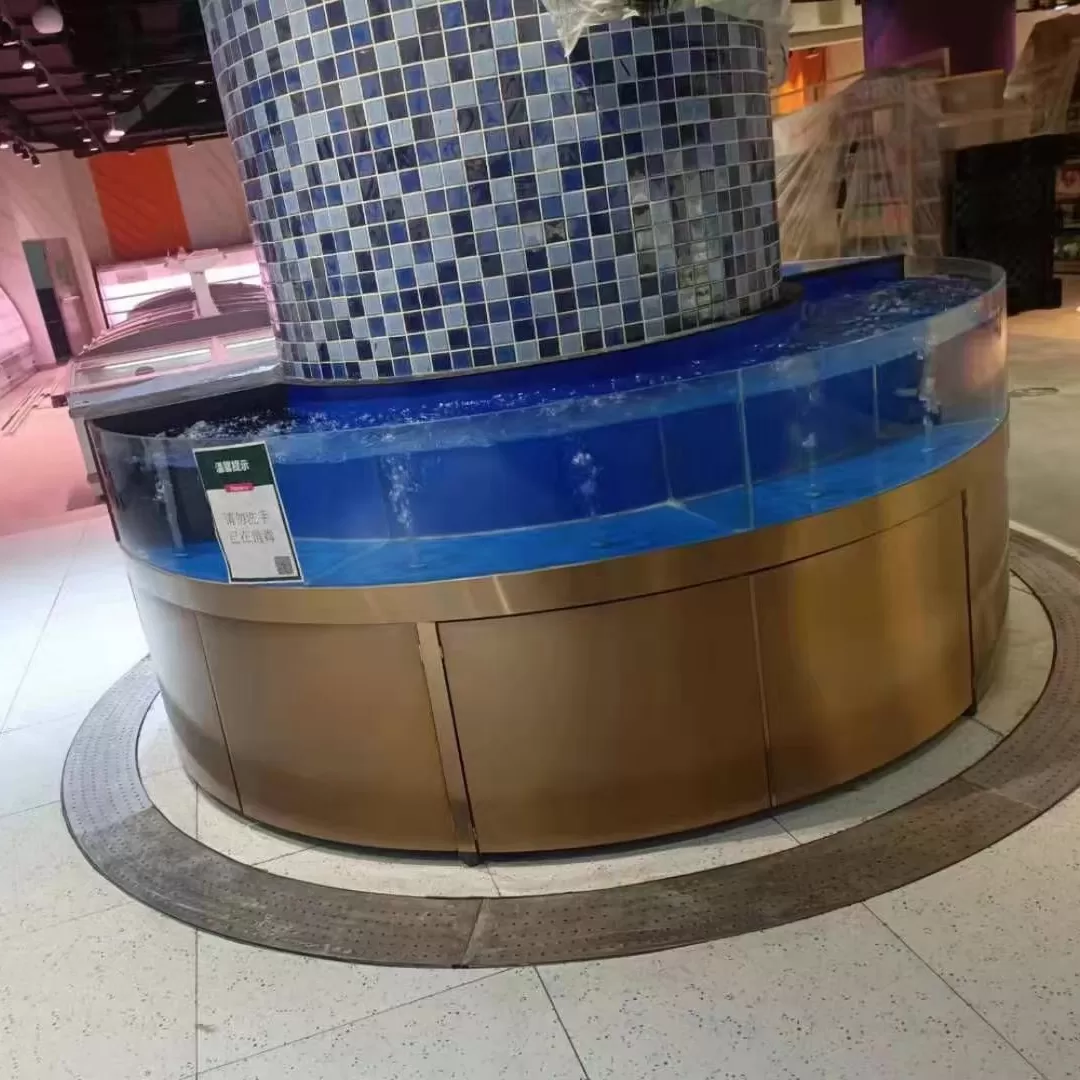
Column-wrapped arc-shaped stainless steel catering and aquaculture seafood tank: An integrated solution for commercial space column renovation and high-density aquatic product temporary breeding
-
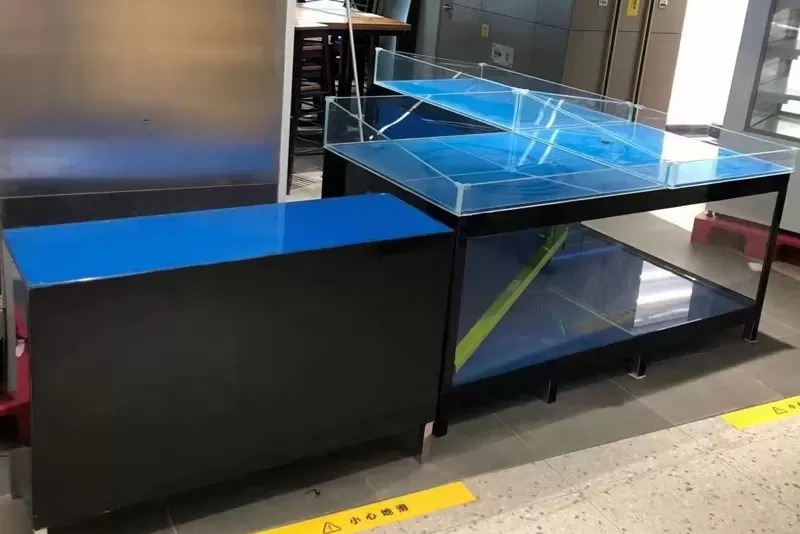
How can customized fish tanks solve the problem of corner Spaces in restaurants? Design Guide for High and Low Stratified Seafood Tanks
-
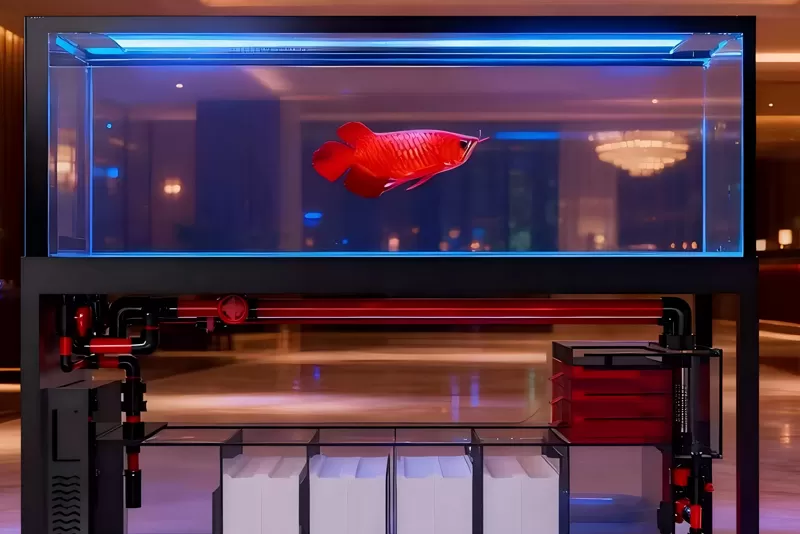
Customized Guide to Large Bottom Filter Red Dragon Fish Tanks: Structural Design and Water Circulation System Analysis
-
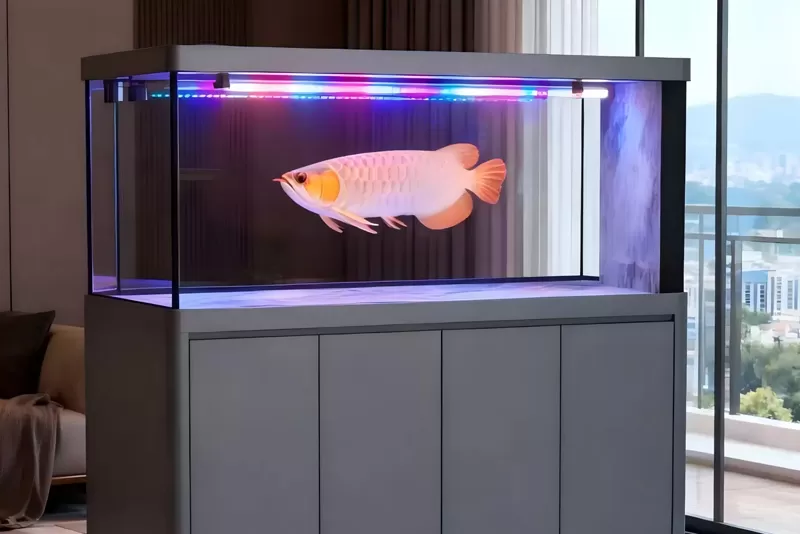
A minimalist grey four-door dragon tank aquarium selection guide and bottom filter system maintenance tutorial

Online consultation
If you have any questions, please contact our online customer service staff immediately
How to make use of the corner space for driftwood landscaping when customizing an aquarium
 Click:145
 Time:2026-10-15 16:48:19
 Author:艺景水族-鱼缸定制厂家
Many households and commercial Spaces share a common problem: corners, corners or irregular areas are not easy to utilize. Placing ordinary furniture might make it crowded, while using decorative walls would lack memorable points. If the spatial conditions are suitable, custom-made fish tanks can turn corners into continuous viewing surfaces, especially L-shaped structures, which can create a more three-dimensional visual relationship by utilizing two directions.
L-shaped corner three-layer integrated driftwood fish tank, suitable for users who wish to turn dead corners into the focus of the space. It is not simply cutting a corner of an ordinary tank, but rather re-planning the water inlet and outlet, equipment compartment, window and driftwood landscape around the corner position. For those who prefer native styles, South American styles or natural landscapes, this structure is easier to create layers.
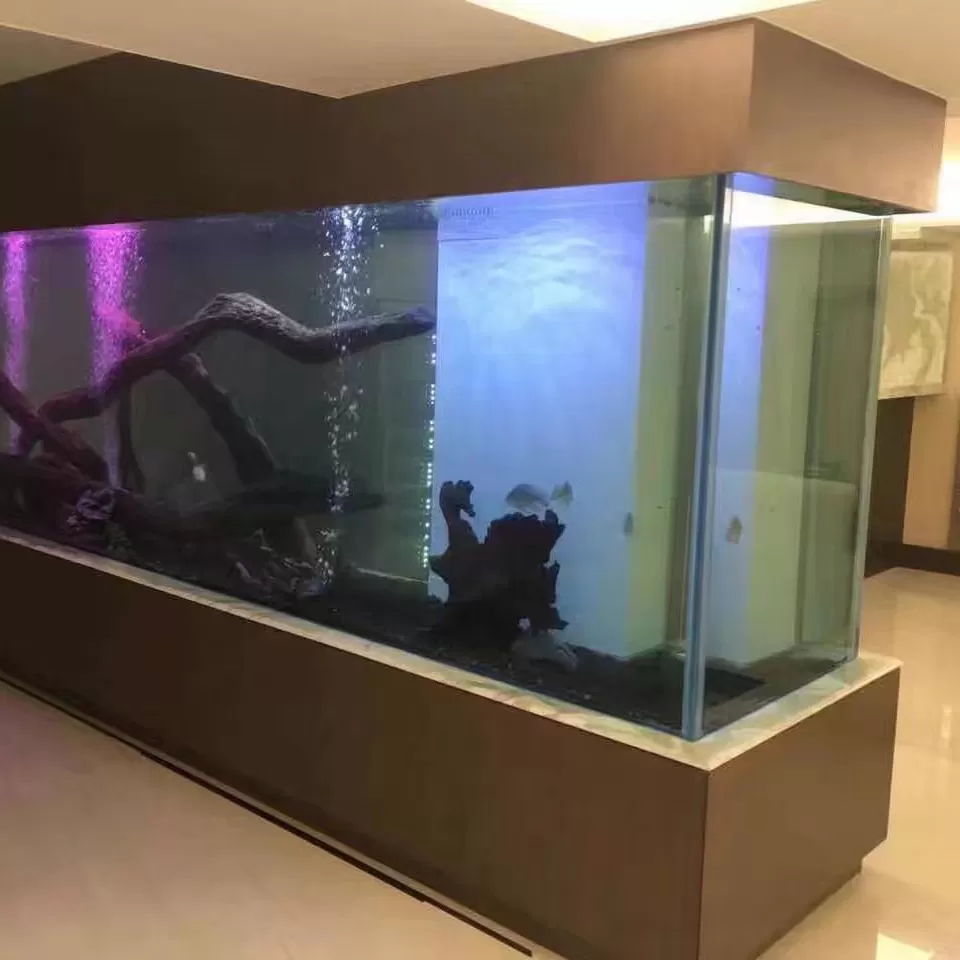
Ordinary fish tanks usually have only one main viewing surface, while L-shaped fish tanks can create a continuous field of vision by using both the front and sides. If driftwood, stones, water plants and sand and gravel are arranged, the change in perspective will be more obvious. Especially in living rooms, tea rooms, clubs and office areas, corner vats often serve as a "natural screen" in the space.
However, the difficulty of the corner tank lies here: its structure is more complex than that of the right-angle tank, and the requirements for glass cutting, bonding, reinforcing, and water inlet and outlet design are higher. Therefore, when customizing a fish tank, one cannot simply decide on an L-shaped design based on "wanting to place it in a corner". It is necessary to first confirm the Angle of the wall, the flatness of the ground, the load-bearing capacity, drainage, and the equipment passage.
How can the corner display be enhanced in a three-story integrated structure?
The value of the three-layer integrated system lies in making vertical use of the corner space. The upper layer can be used as the main viewing surface, displaying large driftwood and groups of swimming fish. The middle layer can be used for more detailed aquatic plants, short sea bream or native landscaping. The lower layer can serve as an auxiliary water body, temporary breeding or equipment function. This layering method is more unified and occupies less space than several small tanks alone.
However, the three-layer corner cylinder has higher requirements for design and installation. The viewing height, line of sight obstruction, lighting effect and maintenance method of each floor should all be considered separately. If the design is unreasonable, it is very likely that the upper layer looks good while the lower layer is depressing, or the equipment compartment will affect the overall appearance.
Why is driftwood landscaping suitable for L-shaped structures?
The advantages of driftwood are that it is natural, has lines and is easy to form a depth of field. In an L-shaped tank, driftwood can extend along the corner direction, creating a "jungle feel" and a "stream feel". When combined with sand, stones, aquatic plants and small fish, it can create a more natural ecological landscape than ordinary rectangular tanks.
However, there are also practical problems with driftwood landscaping: driftwood releases yellow water, which needs to be treated and the water replaced. Too many branches will affect water flow and cleanliness. Complex landscaping may also bring difficulties to fish catching, sewage discharge and maintenance. So, more driftwood is not necessarily better; rather, it is necessary to strike a balance between a natural feel and maintainability.
What must be verified before making an L-shaped corner fish tank?
1. Is the corner Angle accurate?
If the wall is not at an absolute 90-degree Angle, the installation of an L-shaped fish tank may be difficult. On-site measurement must be precise, especially confirming the angles of the two walls, the level of the ground and the height of the top.
2. Is the load-bearing capacity sufficient?
The water in the L-shaped cylinder is concentrated in the corner area, and the local load-bearing pressure is more obvious. Before customization, the ground load-bearing capacity should be confirmed, and structural reinforcement should be carried out if necessary.
3. Is the water inlet and outlet as well as the sewage discharge convenient?
The pipeline design of the irregular-shaped cylinder is more complex. The water inlet, water outlet, sewage discharge and circuit must be planned in advance. If the pipeline is too concealed, it will affect maintenance; if it is too exposed, it will affect the appearance.
4. Will the viewing surface be blocked by furniture?
The corner cylinder should take into account the positions of the sofa, TV cabinet, door leaf and passage in advance. If the main perspective is blocked, even the best landscaping will be hard to reflect.
The applicable scenarios of the three-layer corner cylinder
Living room corner area: Transform blind spots into continuous viewing surfaces.
Tea rooms, clubs and reception areas: Suitable for creating a natural atmosphere.
Commercial exhibition space: It has a strong memory point and decorative effect.
Users who prefer native, South American, and driftwood landscaping: It can leverage the structural advantages.
When there are irregular walls or corners in the space: ordinary rectangular cylinders are difficult to fit.
Common misunderstandings
Misconception 1: All corners are suitable for making L-shaped cylinders. If the wall Angle deviation is large, the load-bearing capacity is insufficient, drainage is inconvenient or the passage is narrow, forcing an L-shaped design will actually carry higher risks. Whether it is suitable or not depends on the on-site conditions.
Misconception Two: Three floors are definitely better than one. The third layer is more complex, and its cost and maintenance are also higher. If it's just for the sake of appearance without a clear feeding and management plan, it is usually not recommended to blindly make three layers.
Misconception 3: The more complex the driftwood is, the more natural it is. Moderate driftwood can enhance the layers of the landscape, but excessive complexity can affect water flow, cleanliness and the movement of fish. Landscaping should serve the overall ecosystem rather than merely piling up materials.
Criteria for customizing irregular-shaped fish tanks
To determine whether an L-shaped fish tank design is reliable, four key points should be considered: whether the on-site measurement is meticulous, whether the structure takes into account load-bearing capacity and reinforcing ribs, whether the pipelines are both concealed and maintained, and whether the landscaping reserves space for fish movement. If only the unique design is emphasized without considering these issues, the risk in the later stage will be relatively high.
Suggestions for users who are preparing to make corner cylinders
First, look at the space, not the shape. The size, Angle and line of sight of the corner cylinder must be determined by the on-site conditions. Second, the hierarchical goals should be clear. Plan clearly in advance what to keep, observe and maintain on each floor. Thirdly, when creating a landscape with driftwood, some space should be left. Leave space for water flow, fish movement and sewage discharge. Fourth, the budget should cover the structure, equipment and later maintenance. The initial investment in irregular-shaped cylinders is relatively high, and the long-term management costs should also be taken into account.
The L-shaped corner three-layer integrated driftwood fish tank is suitable for users with appropriate space conditions, a preference for natural landscaping, and a willingness to do preliminary planning. The true value of customizing a fish tank does not lie in making it into strange shapes, but in allowing the shape to adapt to the space and making the space more layered because of the fish tank.

 Tel: 13530938627
 Email: 360801901@qq.com
 Fax: 0755-23469932
 Address: Unit 1, Building 3, Xinji Industrial Park, Baoshi East Road, Guantian Community, Shiyan Subdistrict, Bao'an District, Shenzhen, Guangdong, P.R.China


 13682357508
 Home
 Products