
 Chinese


 Current Location:
Popular Articles
-
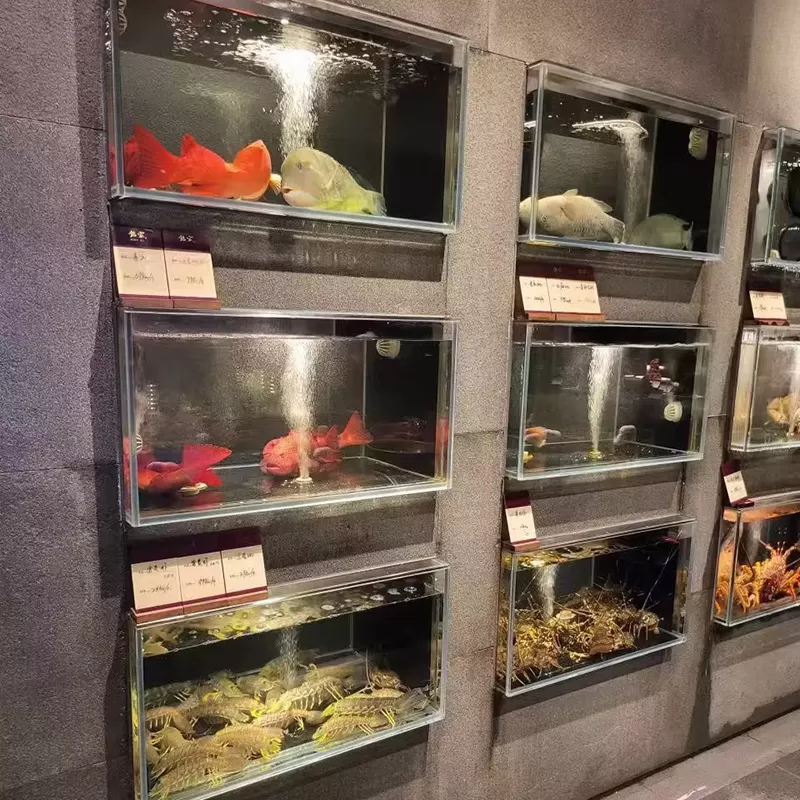
How can customized fish tanks meet the needs of seafood display and breeding in the catering industry
-
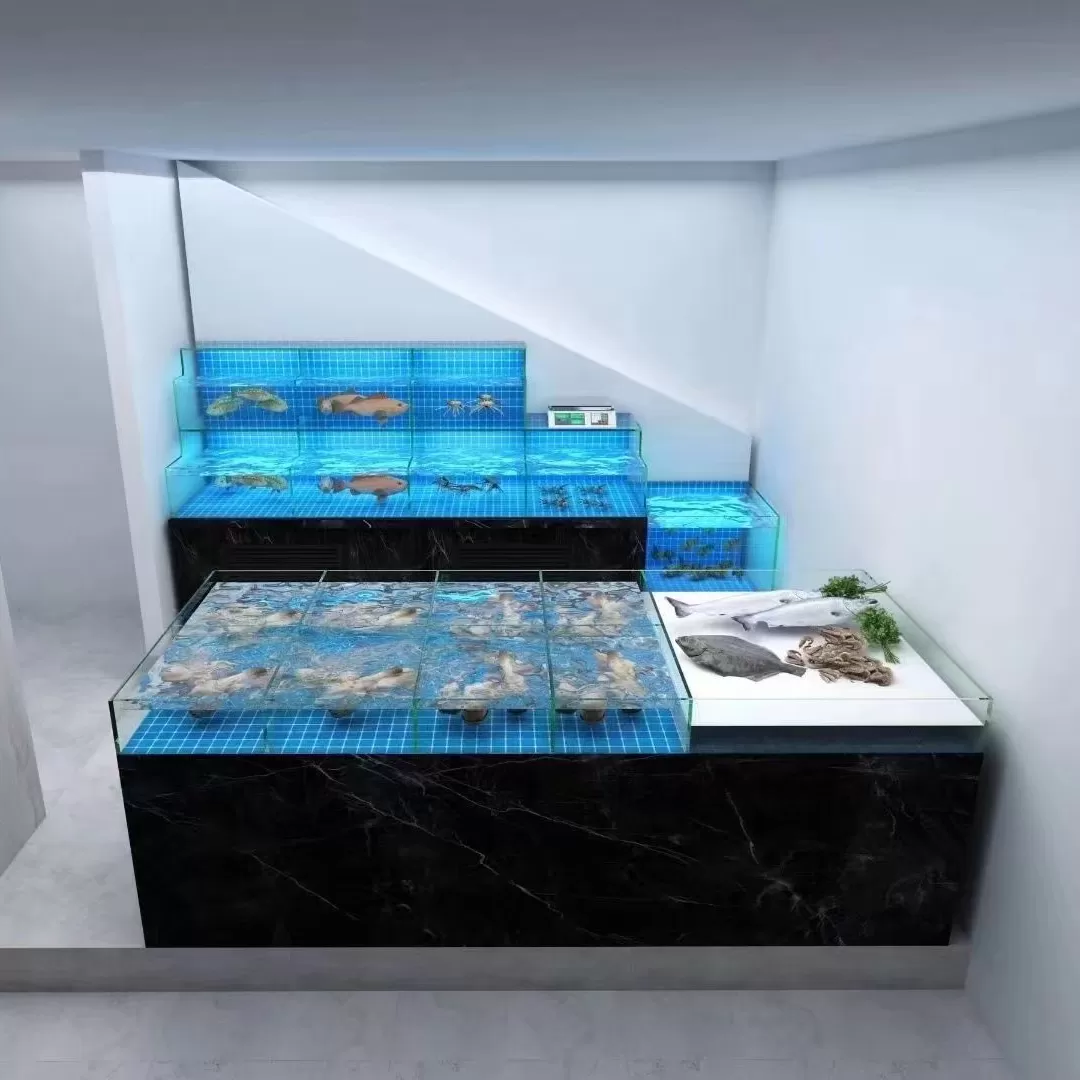
How to plan a customized fish tank? A Guide to Avoiding Pitfalls in the Design and Selection of Seafood Tanks for Catering
-
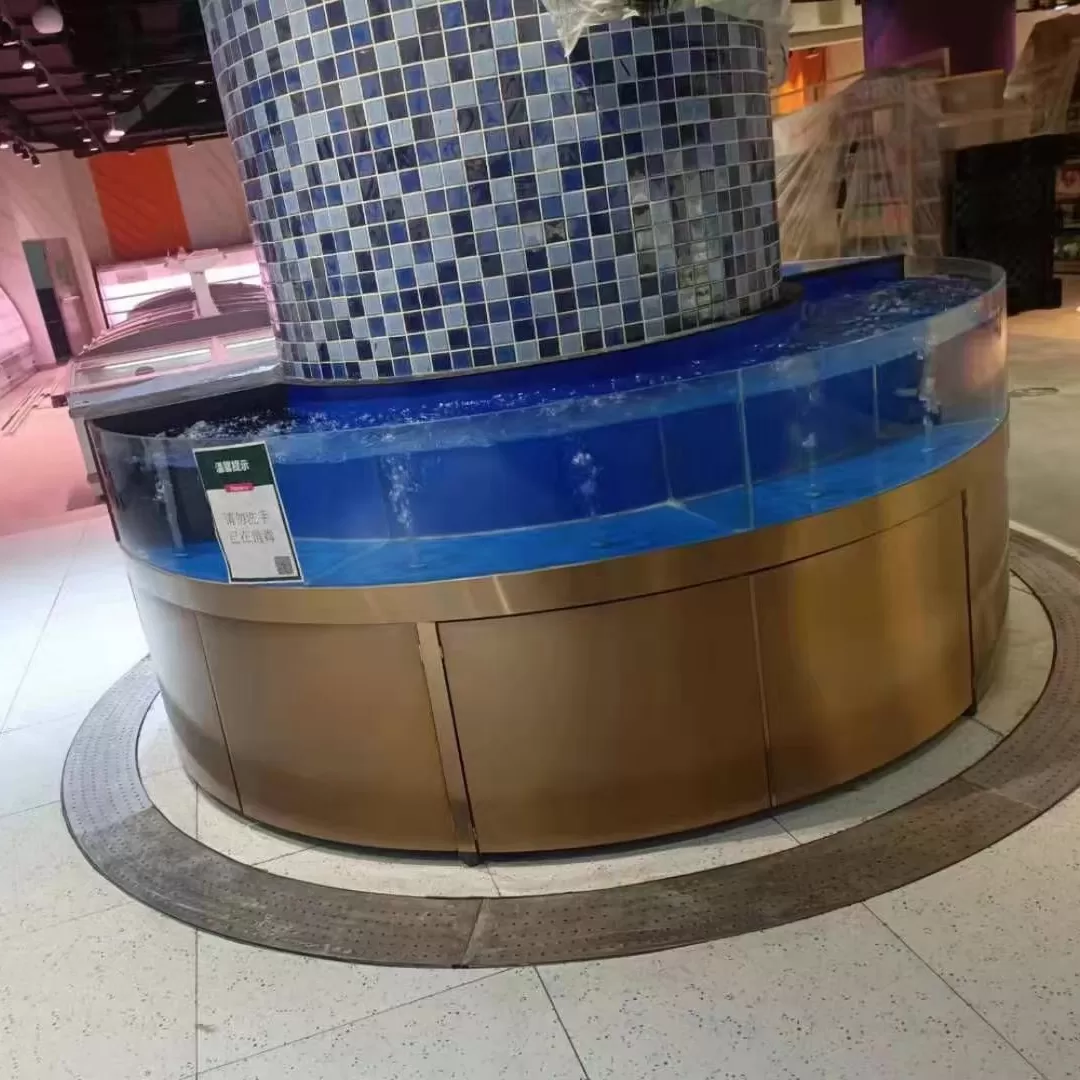
Column-wrapped arc-shaped stainless steel catering and aquaculture seafood tank: An integrated solution for commercial space column renovation and high-density aquatic product temporary breeding
-
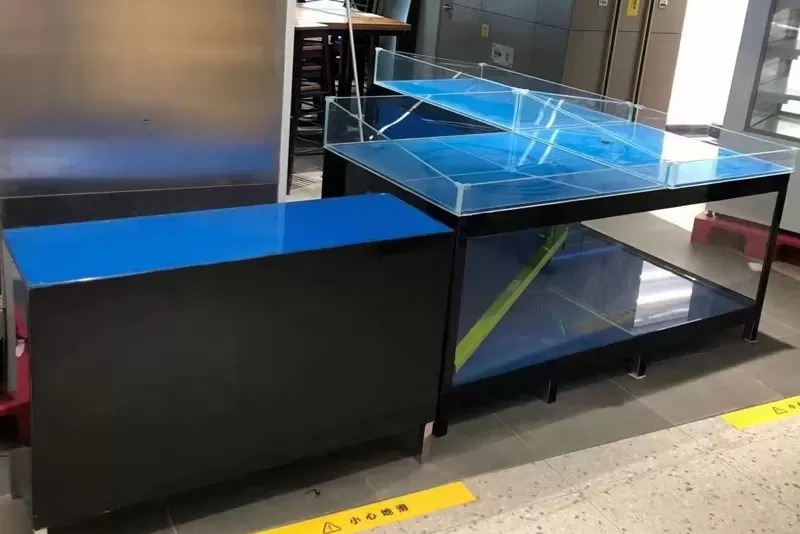
How can customized fish tanks solve the problem of corner Spaces in restaurants? Design Guide for High and Low Stratified Seafood Tanks
-
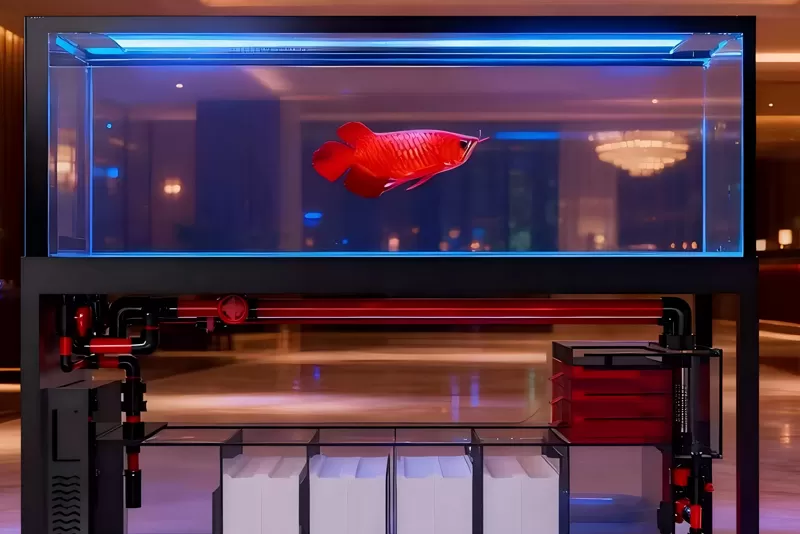
Customized Guide to Large Bottom Filter Red Dragon Fish Tanks: Structural Design and Water Circulation System Analysis
-
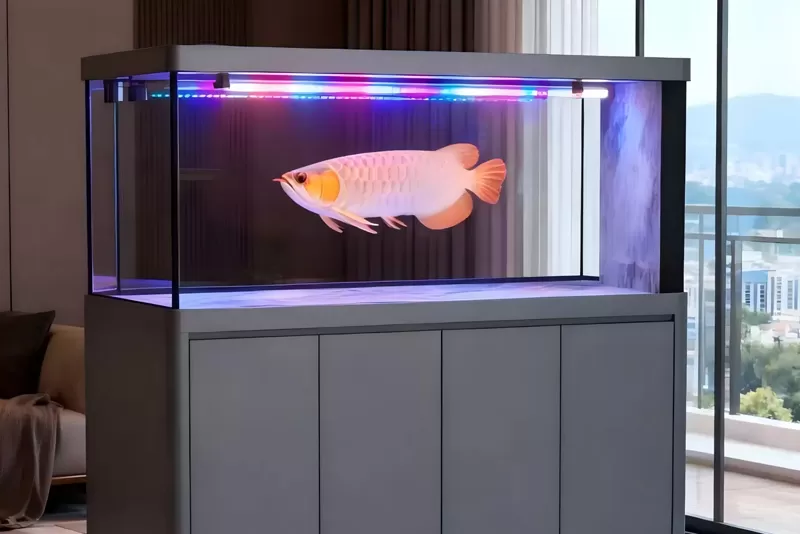
A minimalist grey four-door dragon tank aquarium selection guide and bottom filter system maintenance tutorial

Online consultation
If you have any questions, please contact our online customer service staff immediately
How to choose a customized seafood pool? Comprehensive Analysis of Size, Material and Filtration System
 Click:140
 Time:2026-10-20 15:11:38
 Author:艺景水族
For many business owners, running a restaurant or a seafood restaurant often leads to dead shrimp and fish in the aquatic product section, causing customers to turn around and leave. When I inquired about customizing seafood pools, I found that the quotations ranged from several thousand to several hundred thousand. I had no idea what the differences were or how to choose. This article thoroughly explains dimensions, materials, equipment and cost, helping you get it right the first time.
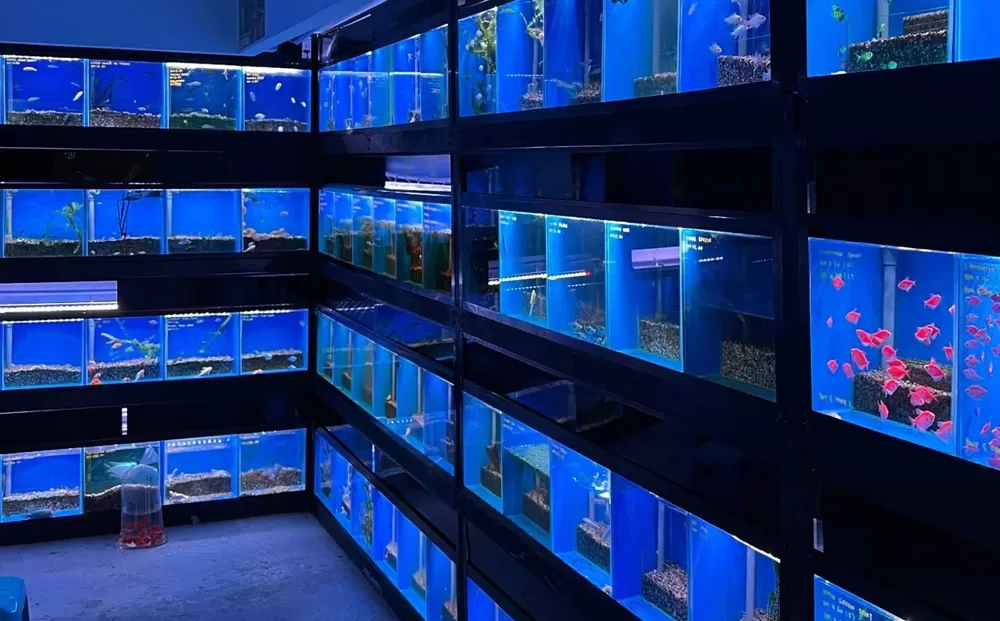
It's not just about making a glass tank, but a complete "living" system: pool structure + circulation filtration + constant temperature refrigeration + oxygenation and temperature control + water supply and drainage. First understand this logic, and then you won't be confused when looking at the quotations - even if it's the same "seafood pool", the project content may be completely different.
Ii. How to determine the size
There is no standard answer for size. The key is to work backward based on the business area, customer flow and main product categories:
For restaurants, the number of pools is usually determined by the variety and grade of the main seafood, taking into account both the display and the serving rhythm.
Supermarket/wholesale: Heavy capacity and turnover, larger pool type and more zoning.
For small stores with limited space: Cold storage-style small ponds save more space, while large open fish ponds have a strong display effect, but they have higher requirements for water and electricity as well as load-bearing capacity.
First, calculate the number of customers and the quantity of goods to be prepared, and then decide on the pool. Don't make it big based on your feelings.
Iii. How to Choose Materials: Compare
Acrylic: It has good light transmission and excellent display effect, making it suitable for high-spending restaurants. However, it is relatively expensive and its surface needs to be scratch-resistant.
Tempered glass: Transparent and pressure-resistant, with a good visual effect. The key lies in the proper joint and adhesive processing techniques.
Bricklaying and tiling: Low cost, durable, suitable for large pools. The disadvantages are that the appearance and insulation are average.
None of the three is "absolutely good". It mainly depends on your positioning and budget. For display-oriented businesses, it is more cost-effective to choose light-transmitting materials; for volume-oriented ones, durable materials are preferred.
Four. Three different types of equipment
Filtration system: Physical + biochemical filtration, which determines water quality, is the core of "staying alive". Don't save money on this.
Constant temperature refrigeration: Different kinds of seafood have different requirements for water temperature. The cold water area and the normal temperature area should be controlled separately.
Oxygenation and circulation: Maintain the flow of dissolved oxygen and water, directly reducing the loss of dead fish.
Many "dead fish" problems do not stem from the ponds themselves, but from the fact that filtration and temperature control have not kept up.
V. Price Composition and Common Misunderstandings
The cost is roughly equal to the sum of the pool body, equipment, installation and site renovation project. It's quite normal for small pools to cost tens of thousands of yuan and for large-scale projects to cost hundreds of thousands. The differences in quotations mainly lie in the brand of equipment and the volume of work. Here are three common pitfalls to fall into
Cheap does not equal economical: Low prices often reduce the configuration of filtration and refrigeration, and the loss of dead fish in the later stage is more expensive.
Looking only at the tank and not the system: A beautiful tank with weak filtration is in vain.
Neglecting water treatment: No matter how good a pool is, if a new pool is opened but the water is not maintained properly or the water quality is not adjusted well, it will still not be able to sustain life.
Customized seafood tanks, in the final analysis, are about providing seafood with a "stable and controllable living environment". Only when the dimensions are accurately calculated, the materials are properly selected, and the equipment is fully equipped can a business retain repeat customers. I hope this review of material selection and systems can help you avoid detours and get it right the first time.


 Tel: 13530938627
 Email: 360801901@qq.com
 Fax: 0755-23469932
 Address: Unit 1, Building 3, Xinji Industrial Park, Baoshi East Road, Guantian Community, Shiyan Subdistrict, Bao'an District, Shenzhen, Guangdong, P.R.China


 13682357508
 Home
 Products