 Chinese


 Current Location:
Popular Articles
-
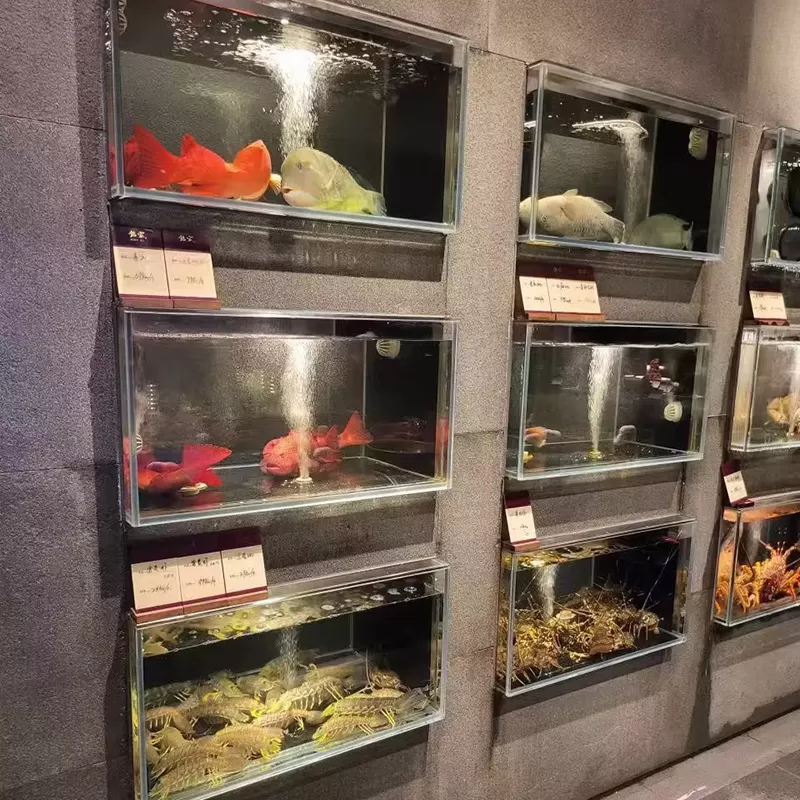
How can customized fish tanks meet the needs of seafood display and breeding in the catering industry
-
How to plan a customized fish tank? A Guide to Avoiding Pitfalls in the Design and Selection of Seafood Tanks for Catering
-
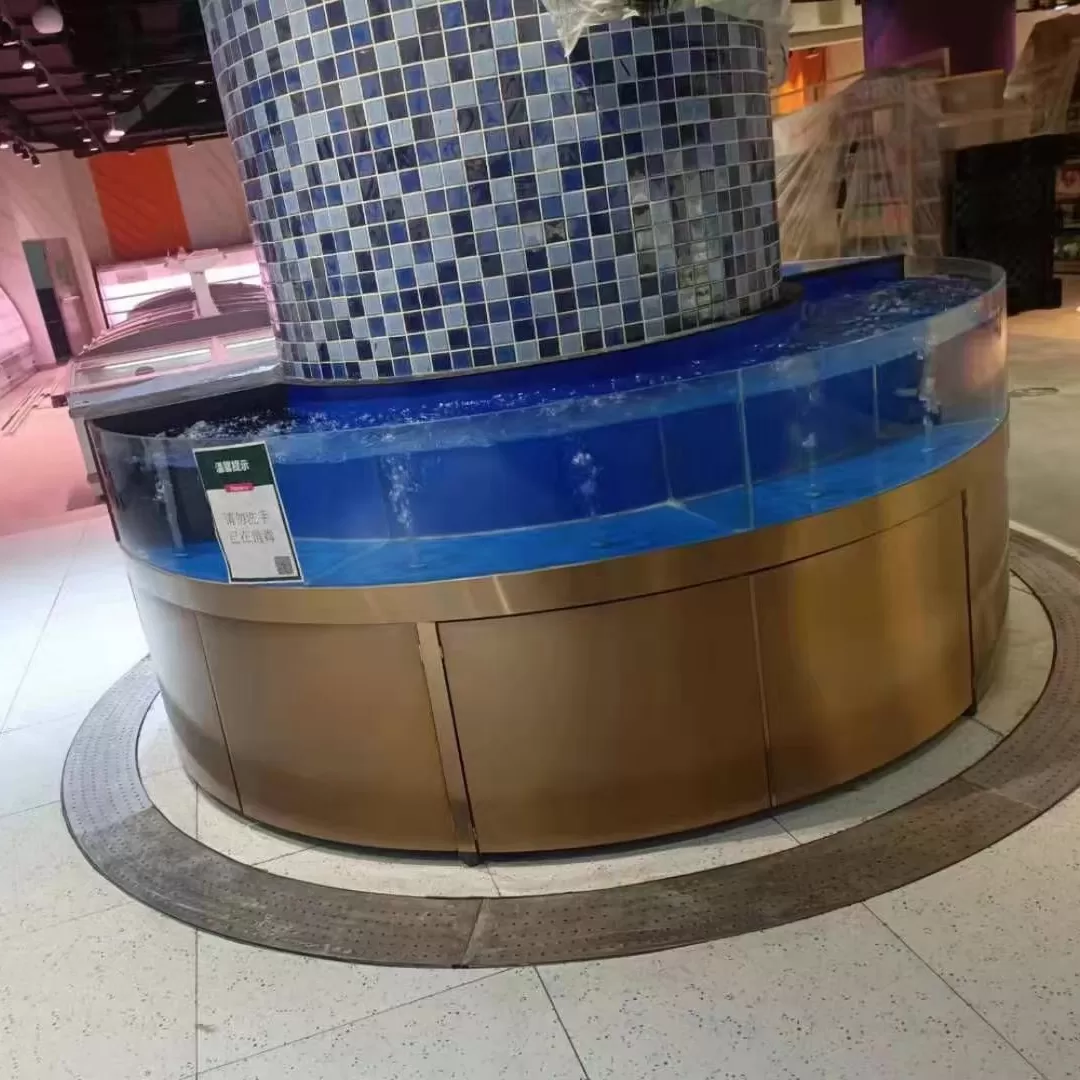
Column-wrapped arc-shaped stainless steel catering and aquaculture seafood tank: An integrated solution for commercial space column renovation and high-density aquatic product temporary breeding
-
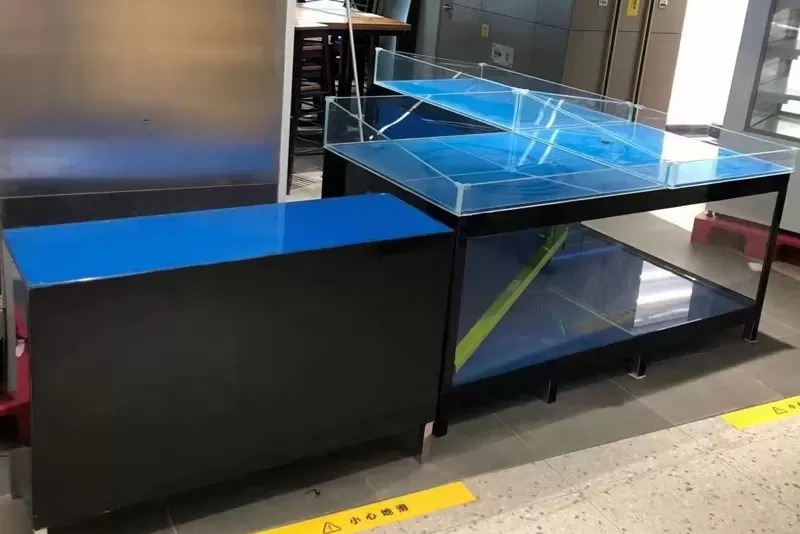
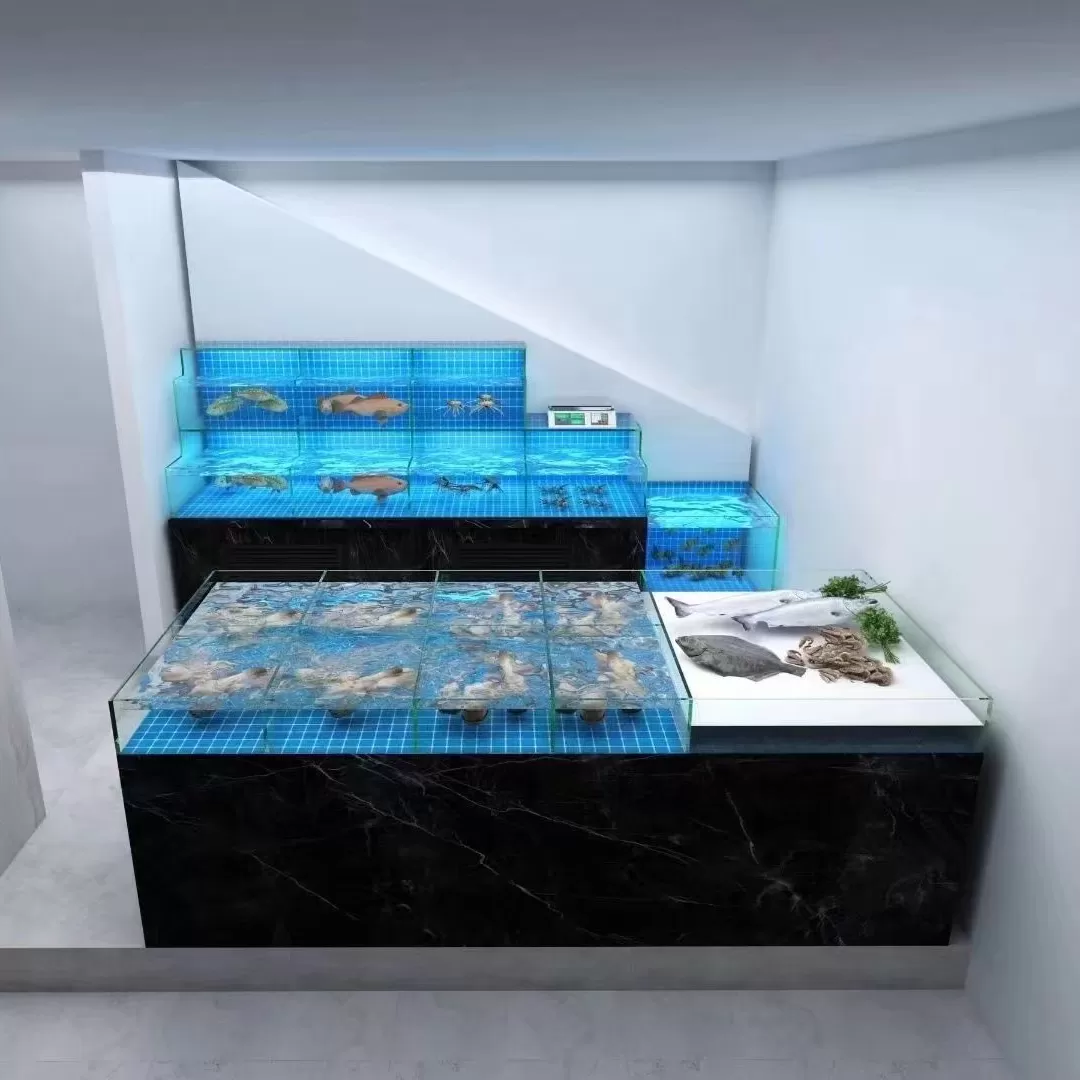
How can customized fish tanks solve the problem of corner Spaces in restaurants? Design Guide for High and Low Stratified Seafood Tanks
-
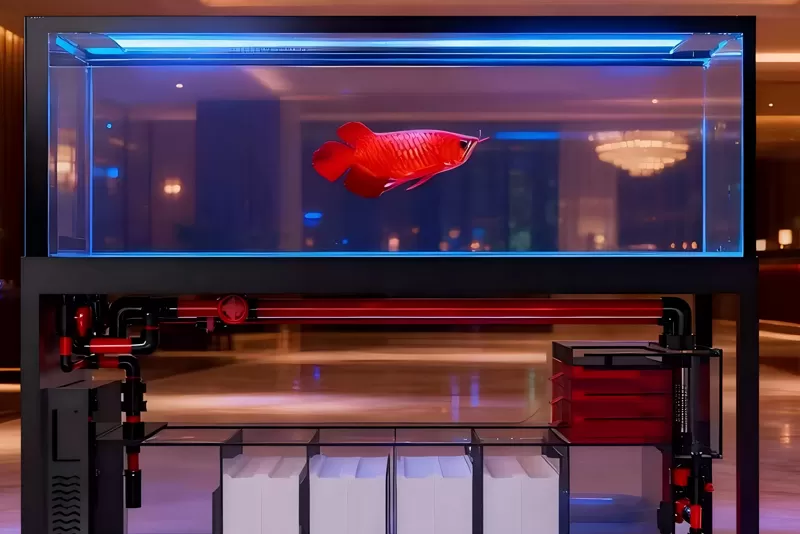
Customized Guide to Large Bottom Filter Red Dragon Fish Tanks: Structural Design and Water Circulation System Analysis
-
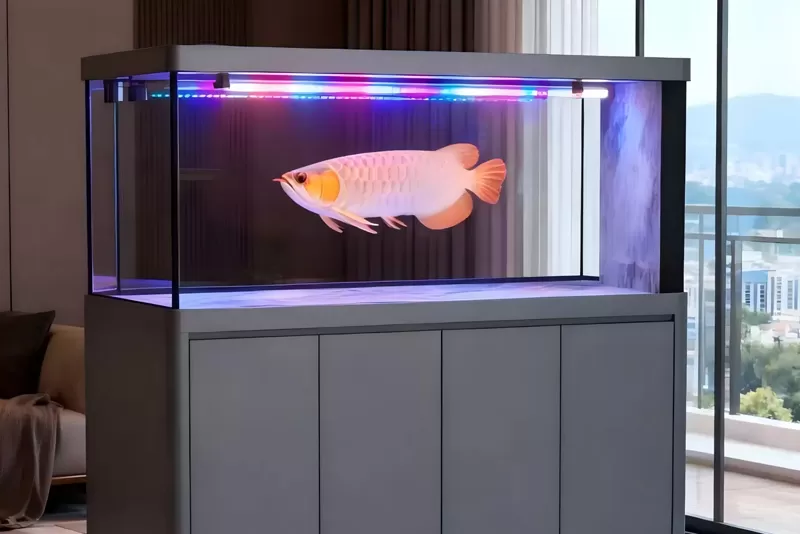
A minimalist grey four-door dragon tank aquarium selection guide and bottom filter system maintenance tutorial

Online consultation
If you have any questions, please contact our online customer service staff immediately
How to choose a more practical custom-made fish tank? A full-process analysis from size, filtration to after-sales service
 Click:182
 Time:2026-09-23 15:49:03
 Author:艺景水族-鱼缸定制厂家
When many people are preparing to keep fish, they often first worry about one problem: the ready-made fish tanks look convenient, but when placed at home or in a store, they always feel that the size, style or filtration are not ideal enough. Thus, customizing fish tanks has gradually become a choice that better suits the actual space and breeding needs. However, customizing a fish tank does not mean "making a larger tank". It is more like a systematic plan that revolves around space, living organisms, maintenance costs and safety structures. If only the price and appearance are considered in the early stage, problems such as leakage risk, difficult maintenance, obvious noise or equipment mismatch are likely to occur later.
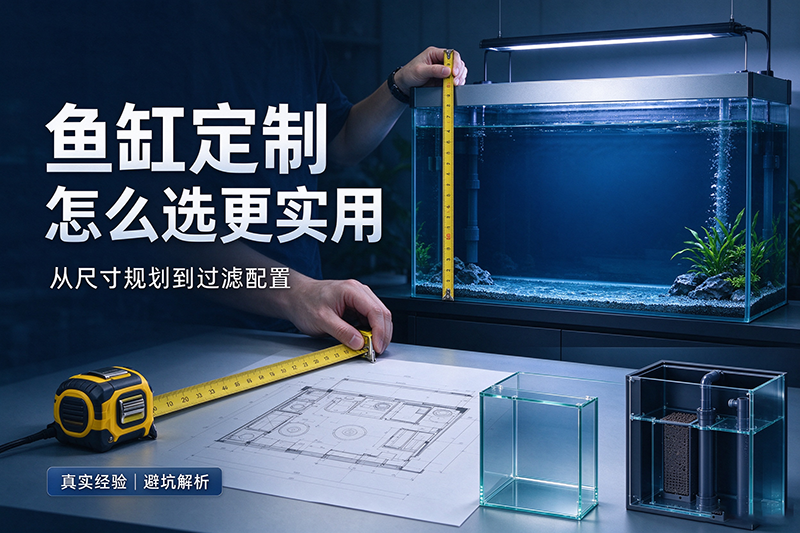 First, determine the usage scenario, and then discuss the customized size of the fish tank
The first step in customizing a fish tank is not to choose the shape first, but to clarify the usage scenario. Even for custom-made fish tanks, the requirements for load-bearing capacity, water supply, drainage, viewing distance and style integration in family living rooms, office display areas, club lobbies, aquarium inns or commercial exhibition halls are all different.
The spatial conditions determine the dimensions of the foundation
When measuring the space, at least four dimensions should be considered: the length of the fish tank placement, the width of the cabinet, the viewing distance from front to back, and the maintenance space at the top and back. Especially for custom-made large fish tanks, it is even more necessary to confirm in advance the ground load-bearing capacity, floor conditions, access channels and hoisting conditions. Some Spaces may seem spacious, but if the passageways are too narrow or the corners of the stairs are too small, it will affect the later installation.
2. The size of the water body is determined by the animals being raised
Different fish species and aquaculture models have different requirements for water body size, water level height, water flow intensity and dissolved oxygen conditions. For instance, large ornamental fish need more space for lateral movement. Small groups of swimming fish are more suitable for ecological balance under reasonable density. Jellyfish tanks, aquatic plant tanks, coral tanks, etc. have higher requirements for light, water flow and stability. The value of customizing fish tanks lies in prioritizing the size of the tank to serve the breeding goals rather than blindly making them taller or wider for visual effects.
3. The way of viewing determines the perspective design
Whether the fish tank is viewed from one side, both sides, or embedded in the wall or cabinet for display will also affect the structural design. Single-sided cylinders usually pay more attention to the front appearance and the concealment of the equipment at the back. For double-sided cylinders, the viewing experience on both sides, the layout of the back filter area and the overall sense of transparency should be taken into consideration.
Second, Materials and Structure: When customizing an aquarium, one should not merely focus on its thickness
Many users simply believe that "the thicker the glass, the safer it is", but in fact, the safety of an aquarium depends on the comprehensive matching of its length, height, water level, glass material, reinforcing rib structure, jointing process and installation base.
The logic of choosing between glass and acrylic
Ordinary float glass, ultra-clear glass and acrylic materials each have their own applicable scenarios. Ultra-clear glass has good light transmittance and is often used in fish tanks that emphasize ornamental effects. Acrylic is relatively light in weight and has a high degree of freedom in shaping, but its surface is more prone to scratches and the requirements for later maintenance are also different. When customizing a fish tank, materials should be selected based on size, shape, budget and maintenance habits, rather than blindly following a certain material.
2. Structural design is more important than simple thickening
For fish tanks that are relatively long or have a high water level, the type of reinforcing bars, mesh reinforcing bars, double-layer reinforcing bars, and back or side reinforcement structures all need to be determined in combination with specific dimensions. Whether the glue joints are uniform, whether the corners are straight, and whether the force at the bottom is stable will all directly affect the safety of long-term use. Therefore, when customizing large fish tanks, it is particularly necessary to conduct preliminary structural calculations and on-site installation plans.
3. The cabinet body and the foundation cannot be ignored
The fish tank cabinet is not only an exterior decoration but also serves to bear weight, store equipment and provide a passage for maintenance. When customizing a fish tank, the material of the cabinet body, the support structure, the moisture-proof treatment and the opening and closing method of the cabinet door should all be designed simultaneously. If the force on the cabinet is unreasonable, even if the fish tank itself is fine, there may still be situations such as cabinet deformation, abnormal noise or excessive local force.
Three, the filtration system determines the later maintenance experience
The practicality of custom-made fish tanks largely depends on whether the filtration system is compatible. Many later problems, such as turbid water, unpleasant odors, noise, nitrate accumulation and frequent maintenance, are all related to insufficient filtration design.
1. The filtration form should match the cylinder body
Common filtration methods include bottom filtration, back filtration, side filtration, top filtration, drip filtration and external filtration, etc. Generally speaking, fish tanks with larger water bodies, higher stocking density or those that emphasize stability are more suitable for bottom filtration systems. For small or medium-sized fish tanks, a more compact filtration solution can be selected based on the space. When customizing an aquarium, it is necessary to plan in advance the capacity of the filter chamber, the flow rate of the water pump, the dry-wet separation, the heating equipment and the maintenance location.
2. Traffic is not necessarily the larger the better
The filtration flow rate needs to be comprehensively judged in combination with the water volume, aquaculture density, fish activity habits and physical filtration efficiency. Excessive flow may cause the water to flow too rapidly, fish to press on it, and the filter material to be washed too quickly. If the flow rate is too small, it may cause the accumulation of ammonia nitrogen, nitrite and nitrate. Therefore, the filtration system should pursue a reasonable match rather than blindly choosing a large water pump.
3. Maintenance convenience should be taken into consideration in advance
A good custom fish tank plan should take into account the convenience of water change, filter material cleaning, oil film removal, water pump maintenance and consumable replacement. For instance, whether the sewage outlet is reasonable, whether there is sufficient maintenance space, whether the layout of water pipes is clear, and whether the dry-wet separation is convenient for removal and cleaning, all these details will affect the long-term usage experience.
Iv. Common Misunderstandings in Customizing Fish Tanks
Mistake One: Only focusing on appearance without considering maintenance
Appearance level is an important reference, but not the only criterion. If the shape of the fish tank is very complex but there is not enough space reserved for maintenance, the maintenance cost in the later stage will increase significantly.
Misconception Two: Blindly pursuing large water bodies
The larger the water body, the higher the water volume, equipment investment, water replacement workload and safety requirements usually are. When customizing a fish tank, the specifications should be selected that match the space, budget and management capabilities.
Misconception Three: Treating fish tanks as ordinary furniture
The fish tank is a container for water and also a long-term operating water treatment system. It not only needs to be good-looking, but also take into account issues such as load-bearing capacity, waterproofing, circuits, water supply and drainage, noise and equipment heat dissipation.
Mistake Four: Neglecting after-sales service
Customized fish tanks involve measurement, design, production, transportation, installation and later maintenance, with a relatively long service chain. Therefore, after-sales response after delivery and installation, leakage detection, equipment commissioning and maintenance suggestions are all factors that need to be considered when choosing a solution.
V. When choosing a custom-made fish tank, it is recommended to focus on checking which information
First, confirm the spatial dimensions, load-bearing conditions and installation paths; Second, clearly define the breeding objects, water body targets and daily management capabilities; Thirdly, compare the structural design, filter configuration and maintenance convenience rather than just the unit price. Fourth, understand the service scope after installation and delivery to avoid unclear responsibility in case of problems.
For aquarium projects that need to operate for a long time, the clearer the initial plan is, the lower the risk will be in the later stage. The core of customizing a fish tank has never been to create an overly exaggerated tank body, but to ensure a stable match among space, organisms, equipment and maintenance capabilities.

 Tel: 13530938627
 Email: 360801901@qq.com
 Fax: 0755-23469932
 Address: Unit 1, Building 3, Xinji Industrial Park, Baoshi East Road, Guantian Community, Shiyan Subdistrict, Bao'an District, Shenzhen, Guangdong, P.R.China


 13682357508
 Home
 Products